
How to Find Land to Build a Custom Home Dallas Fort Worth
Learn how to find land to build a custom home Dallas Fort Worth buyers can use, with practical checks for restrictions, utilities, flood risk, and builder fit.

The right DFW homesite is more than a parcel that looks attractive from the road. Its jurisdiction, access, restrictions, utilities, and physical conditions can shape what you may build, how much planning is required, and whether the property fits your goals at all.
Contact ROSO Homes about your DFW homesite to discuss the next step.
ROSO Homes serves the Dallas-Fort Worth metroplex as a hands-on design-build custom home builder, and its process begins with finding and securing a building lot. The most useful search is therefore not just about discovering available land. It is about narrowing the options to sites worth investigating before you commit to a design, budget, or purchase. Begin by looking across the local channels most likely to reveal suitable residential lots.
Where to Search for Residential Lots in the DFW Metroplex
A strong homesite search starts with several channels, not one listing feed. Use online land and residential listings to build an initial shortlist, then record each parcel's city, county, acreage, asking terms, and stated utilities. Treat listing details as a starting point. Confirm important facts with the appropriate professionals and public offices before you make an offer.
A local real-estate professional who regularly handles land can add context that a listing may omit. Ask about access, recorded restrictions, prior offers, and whether the parcel is inside municipal limits or an extraterritorial jurisdiction. A land-focused agent can also help you compare parcels based on your intended home, rather than only on acreage or appearance.
Developers and subdivision representatives are another useful source, especially when you want a planned community with established streets, shared standards, or a defined lot release process. Ask what is currently available and request the governing documents before treating a community lot as build-ready.
County appraisal and clerk resources, city planning departments, and official mapping tools can help you verify ownership records, jurisdiction, zoning information where applicable, and recorded documents. These sources are not substitutes for title, survey, engineering, or permitting review, but they can help eliminate unsuitable parcels early.
Finally, review custom-builder community opportunities alongside independent land listings. ROSO Homes serves the DFW metroplex, and its outlined process begins with finding and securing a building lot. That may mean evaluating your own parcel or asking about a ROSO community opportunity, such as Munson Ranch in Royse City. Confirm current availability and service fit directly. If you are bringing your own land, review the build on your lot in DFW process before comparing candidates.
How to Find Land to Build a Custom Home in Dallas-Fort Worth
Learning how to find land to build a custom home in Dallas-Fort Worth is less about finding the biggest parcel and more about narrowing the search to land that can support your plans. Use this sequence before you become emotionally or financially committed to a property.
What to Check Before You Buy a DFW Homesite
Before you make an offer, confirm that the parcel can support the home you actually want to build. Start with jurisdiction: is the property inside a city, in that city's extraterritorial jurisdiction, or governed primarily by county rules? That distinction can affect which offices, maps, permits, and development standards apply. Ask the surveyor or review the relevant city maps, and have a local professional confirm the result rather than relying on a listing description. The Texas Real Estate Research Center explains why city-limit and ETJ status matters in land transactions: jurisdiction affects land-use review.
Next, ask whether the parcel has dependable legal and physical access. Review the recorded plat, survey, and title commitment for road access, shared-drive obligations, utility corridors, pipelines, and other easements. An access easement may exist without giving you the same flexibility as a public road, and recorded easements can bind future owners. If the land is unplatted, confirm that it remains eligible for the public services and permits your plan requires. The Texas General Land Office recommends checking these issues before relying on an unplatted tract.
Utilities deserve an early answer, not a post-closing surprise. Identify the likely water, wastewater, electric, and gas providers, then ask what connection or onsite systems would be required. For a property that may need an onsite sewage facility, Texas rules call for a complete site evaluation covering soil, groundwater indicators, slope, and drainage. That review can determine whether the intended home and wastewater system fit the site.
Finally, screen flood exposure and build fit together. Use FEMA's Flood Map Service Center, but remember that flooding can occur outside mapped high-risk zones. Ask the appropriate floodplain official and qualified professionals about elevation, drainage, and permitting. Then have a custom home builder review the homesite against your desired footprint, access needs, and design direction before your option or feasibility period expires. This is practical screening, not a substitute for title, survey, legal, civil, geotechnical, or environmental advice.
How Zoning and Deed Restrictions Shape Your Home Plans
A promising homesite can still limit your design if the land-use rules do not match your plans. Before you commit, confirm which government has jurisdiction over the parcel. A property may be inside a city, in an extraterritorial jurisdiction, or governed primarily by county rules. The distinction matters because public regulations are generally found through the applicable city or county, not necessarily in the title commitment. The Texas Real Estate Research Center explains why confirming city-limit or ETJ status is an important early step: review the jurisdiction before evaluating restrictions.
Start with the official zoning map
If the property is within a city that uses zoning, identify its base zoning district and any overlay districts on the official map. Fort Worth specifically directs property owners to check both before relying on a parcel's apparent residential character. Its zoning materials also point buyers to district regulations for minimum lot size, required yards, and other standards: see Fort Worth's official zoning ordinance guidance.
Then check whether your intended use is permitted. Zoning rules can regulate more than whether a home is allowed. They may shape lot size, setbacks, building height, density, accessory structures, and approval requirements. Some uses require a special exception or conditional-use permit. These are general Texas land-use principles, not a determination for every DFW parcel, so confirm the exact use table and approval path with the governing municipality or county.
Read the title documents, not just the listing
Private restrictions can be just as influential. Recorded covenants, conditions, and restrictions should be identified in the title commitment. Easements may reserve portions of the property for utilities, private-road access, pipelines, or other rights, and a recorded easement can bind future owners. Ask the title company and qualified professionals to explain how each restriction affects the proposed building envelope, driveway, pools, outbuildings, and future additions.
Use the zoning map, title commitment, survey, and preliminary home plan together. That combination helps reveal whether the home you want can fit before design effort and purchase money are committed.
How Access, Utilities, Flood Risk, and Soil Affect a Parcel
A parcel can look ideal on a map and still be difficult to build on. Before treating a property as a viable homesite, confirm how a vehicle reaches it, where utilities can connect, how water moves across the land, and whether the soil supports the planned wastewater system.
Confirm legal and practical access
Start with the road itself. Is the parcel served by a public road, a private road, or an access easement across another tract? Review the recorded documents and plat rather than relying only on a listing description. Easements can cover private-road access, utilities, or pipelines, and a recorded easement can bind future owners. For unplatted land, Texas guidance says access easements to and from a public road should be clearly shown on the subdivision plat. It also recommends confirming that the tract meets city or county requirements. Review the Texas GLO land guidance with the title and surveying professionals handling the parcel.
Screen utility and flood constraints together
Ask each relevant provider whether electric, water, sewer, and communications service can reach the proposed building area. A parcel may have nearby lines without having a straightforward connection path. If public sewer is unavailable, determine whether an onsite sewage facility is allowed and feasible before closing.
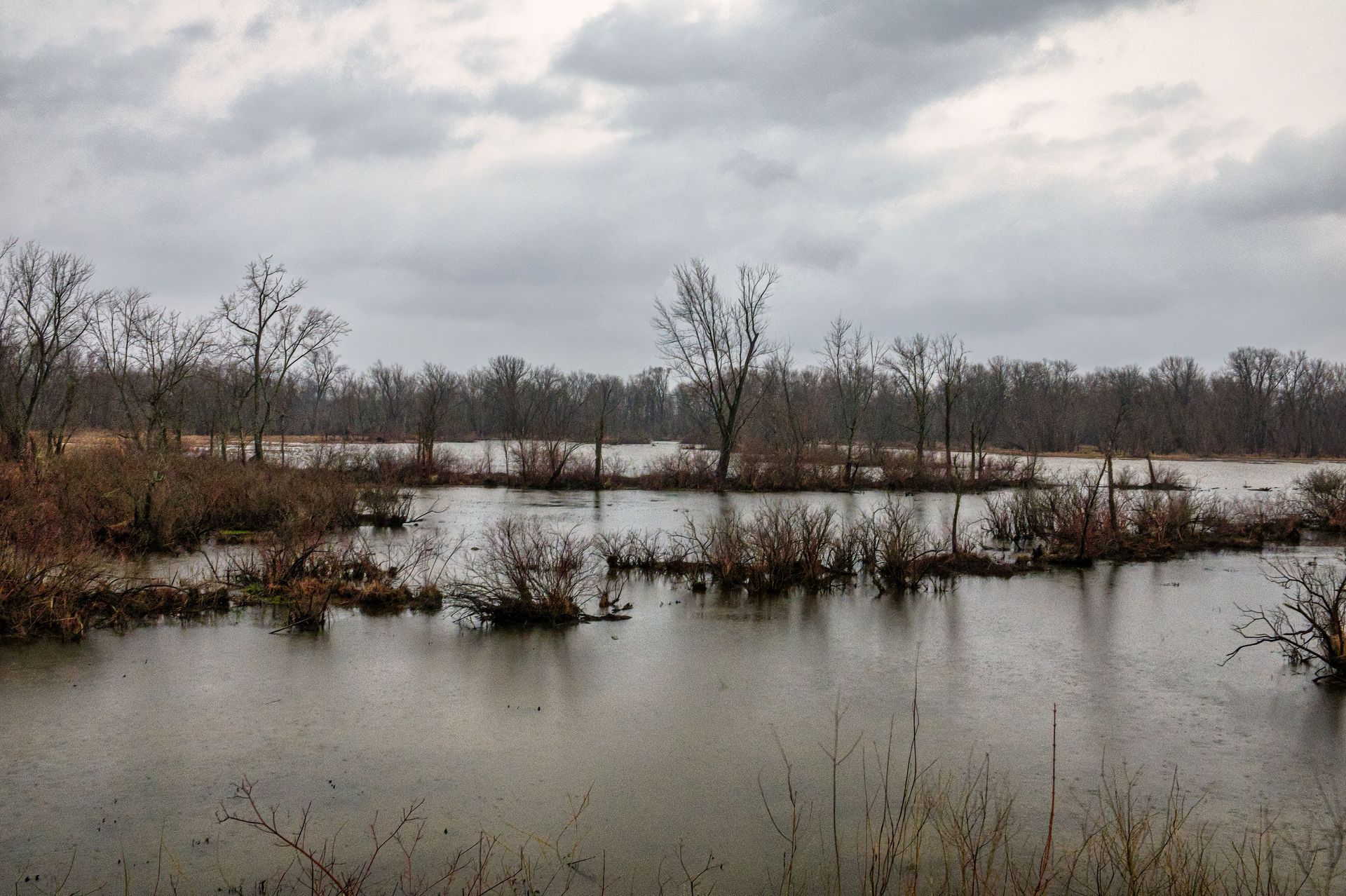
Use FEMA's Flood Map Service Center resources to review the parcel's mapped flood zone. FEMA notes that flood zones reflect varying levels of risk, but flooding can occur outside high-risk mapped areas. Ask the local floodplain administrator about current building and permitting requirements. Texas GLO floodplain review materials also raise questions about mapped floodplains and floodways, site safety, permits, base flood elevation, and the elevation of proposed buildings and utilities.
Test soil, slope, and drainage assumptions
Where an onsite sewage facility is proposed, Texas rules require a complete site evaluation for the tract. The evaluation helps determine the system type and size and can include soil borings or backhoe pits, groundwater indicators, slope, depressions, poor drainage, gullies, and ravines. See the Texas OSSF site-evaluation rule for the governing requirements.
These checks are screening steps, not legal or engineering conclusions. Requirements vary by jurisdiction, and a title professional, surveyor, civil or geotechnical professional, utility provider, and qualified OSSF evaluator may each need to confirm site-specific conditions before you commit.
Should You Involve a Custom Home Builder Before Closing?
Yes, if you are seriously considering a parcel. An early conversation with a custom home builder can help you test whether the property fits your goals before you finalize the purchase. The builder is not replacing your title company, surveyor, engineer, attorney, lender, or local permitting office. The value is a practical feasibility review that connects the land to the home you want to build.
What an early feasibility conversation can cover
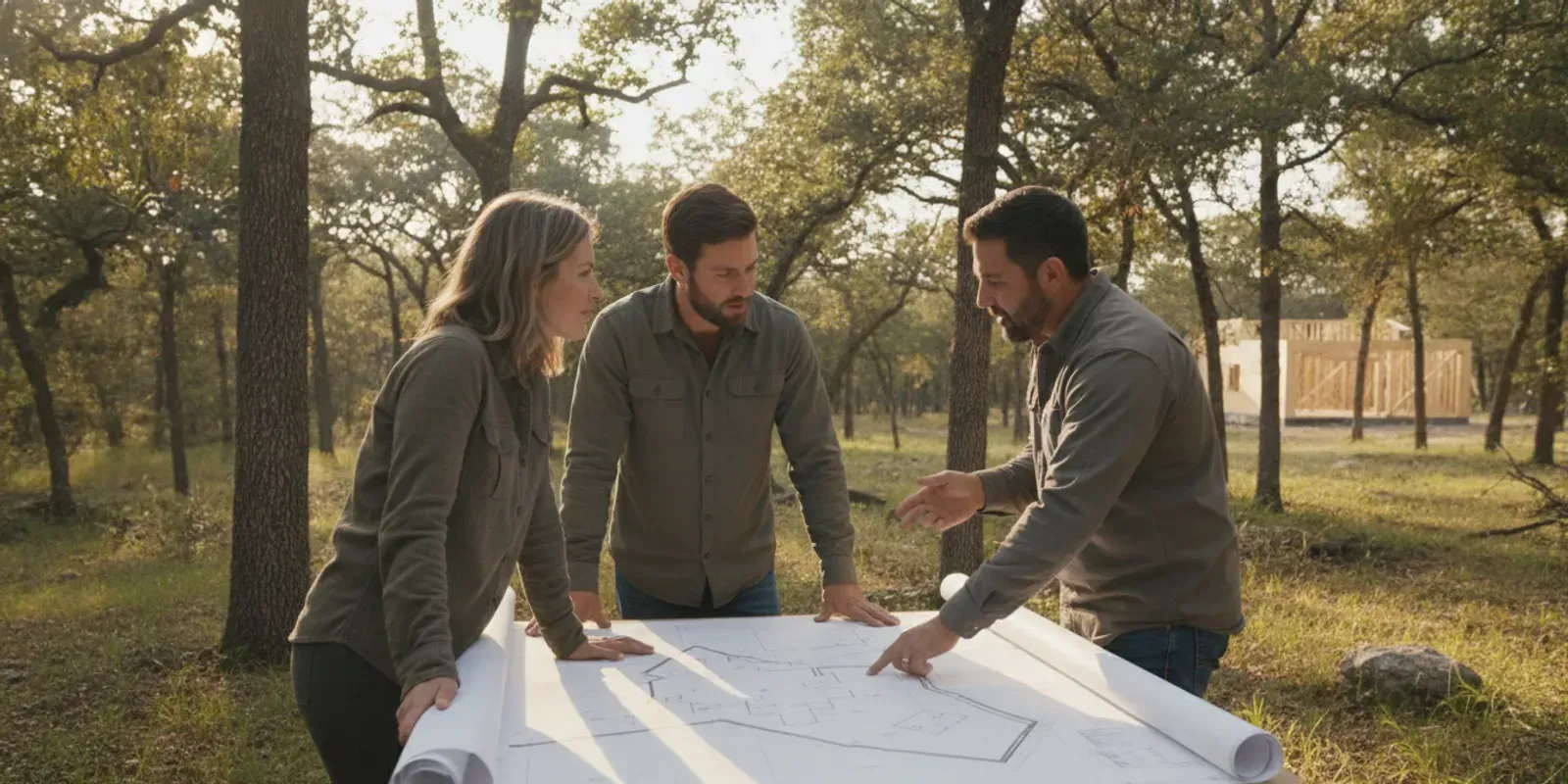
Bring the listing details, survey or plat if available, deed restrictions, your preferred location on the property, and a preliminary home wish list. A builder can discuss whether the intended home size, layout, garage, outdoor spaces, and site approach appear compatible with the parcel as currently understood. The conversation can also identify questions about access, utilities, topography, drainage, setbacks, and restrictions that need professional confirmation.
ROSO Homes' outlined process begins with finding and securing a building lot, then moves into design, design and budget approval, financing, construction, and completion. That sequence makes an early builder review useful: it can help you avoid developing a house plan around assumptions the property may not support. ROSO can work with its design partners or with your own architect, so you can discuss how an existing concept might fit the site without giving up your preferred design relationship.
What the builder cannot confirm
A builder should not give final legal, title, boundary, soil, structural, floodplain, utility, or permit determinations. Ask the title company to review recorded documents and exceptions. Have a qualified surveyor confirm boundaries and easements, and engage the appropriate engineer or site professional for soil, drainage, foundation, septic, or civil questions. Local officials and utility providers must confirm jurisdiction, service availability, and permit requirements. Use the builder's observations to focus that due diligence, not to skip it.
How ROSO Homes Can Help You Evaluate a Lot Before You Purchase
A promising parcel still needs to fit the home you want to build. ROSO Homes is a boutique design-build custom home builder serving the Dallas-Fort Worth metroplex, and its outlined process begins with finding and securing a building lot. That makes an early builder conversation useful before you commit to a design, financing plan, or purchase contract.
Share the candidate homesite, the kind of home you are considering, and any information you already have from the seller or listing agent. ROSO Homes can discuss whether the site appears to fit your design direction and the practical path for a build on your lot in DFW. This is an initial feasibility conversation, not a substitute for a survey, title review, soil evaluation, engineering, or local permitting guidance.
The discussion can also clarify the next design step. Buyers may work with ROSO Homes' design partners or their own architect, so you can identify the right design relationship before the plan becomes too specific for the land. Keep the builder's feedback alongside professional advice from the relevant title, survey, engineering, and local-government professionals.
ROSO Homes also operates Munson Ranch in Royse City, which the company's operations information describes as a 14-lot development. You can review the Munson Ranch community lots as one documented community example, but confirm current availability and suitability directly before relying on it as an option. Service across the DFW metroplex does not mean every municipality or parcel is automatically served.
Once you have a candidate site, share it with ROSO Homes for an initial conversation about fit, design direction, and the build-on-your-lot path.
Contact ROSO Homes to review a potential homesite before you commit to the next stage.
Frequently Asked Questions
How can I check whether a DFW parcel allows the home I want to build?
Start with the applicable city or county, then confirm whether the property is inside city limits or an extraterritorial jurisdiction. Review the zoning district, overlays, permitted residential uses, lot-size rules, setbacks, height limits, and density requirements. Also request the title commitment so a title professional can identify recorded covenants and easements that may affect the site. Texas A&M's Real Estate Research Center explains that recorded easements can bind future owners: land-use restrictions and easements.
What should I verify about utilities before buying rural land?
Ask the utility providers or local authorities whether the parcel can receive the required services, where connection points are located, and what approvals or extensions may be needed. If the property is unplatted, confirm its eligibility for utility connections and building permits before closing. If an onsite sewage facility will be needed, Texas rules require a complete site evaluation that considers soil, groundwater, slope, and drainage: Texas OSSF requirements.
How do I evaluate flood risk for a potential homesite?
Enter the parcel address in FEMA's Flood Map Service Center and review the mapped flood zone, not just the listing description. FEMA notes that flooding can happen even outside high-risk mapped areas, so ask the local floodplain administrator about permitting requirements and have appropriate professionals evaluate site-specific conditions. Discuss property-specific coverage with an insurance agent before you commit.
When should I involve a custom home builder?
Involve a builder before making an offer, or make the offer contingent on satisfactory feasibility and due diligence. A builder can help compare the homesite with your goals, likely home footprint, access, utilities, and early budget assumptions. The builder does not replace a surveyor, title company, engineer, septic professional, or local permitting authority. ROSO Homes' process begins with finding and securing a building lot. Buyers may work with its design partners or their own architect.
Ready to Evaluate a DFW Homesite?
A builder conversation can help you connect a promising parcel with your goals before you commit to the next stage. Contact ROSO Homes to discuss the site, your plans, and the build-on-your-lot path.