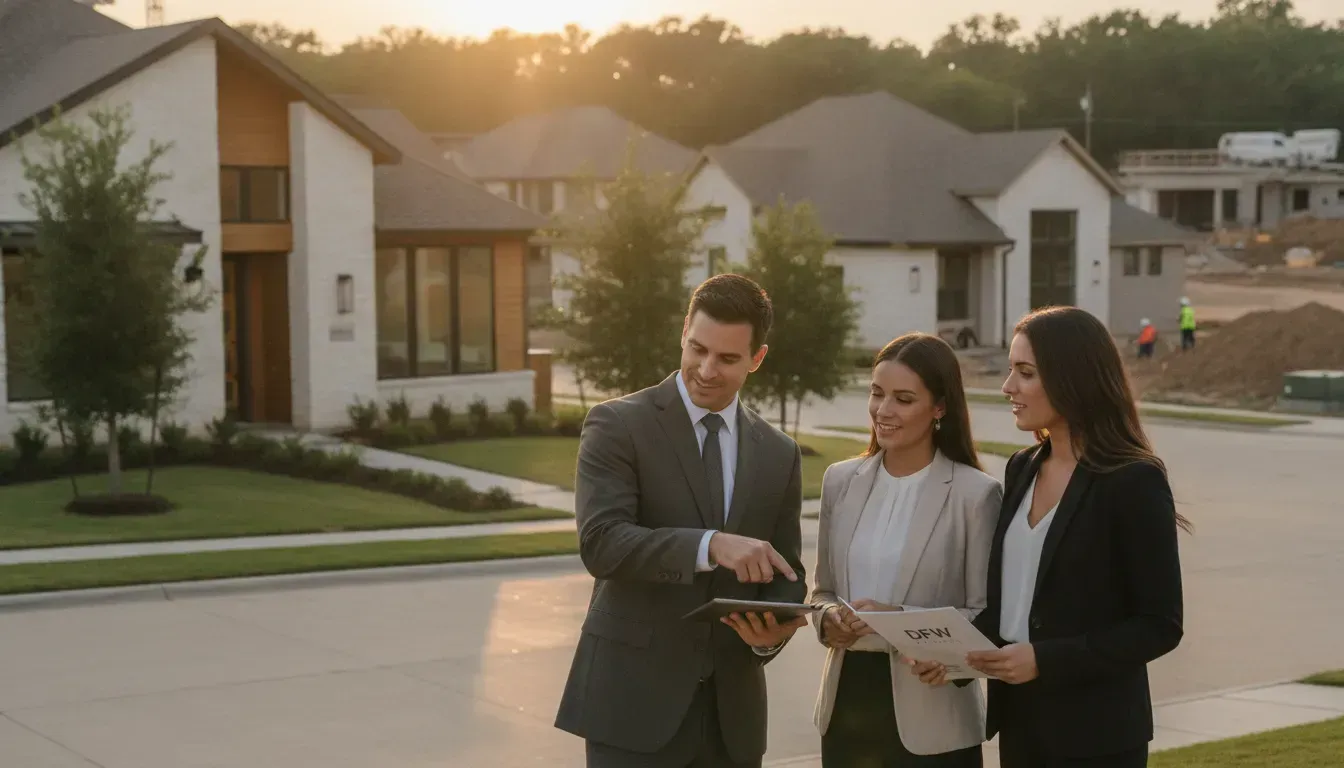

Why Choose ROSO Homes Custom Builder DFW?
Why choose ROSO Homes custom builder DFW? See pricing, builder roles, custom design, build timing, and warranty details here. Confirm project terms.
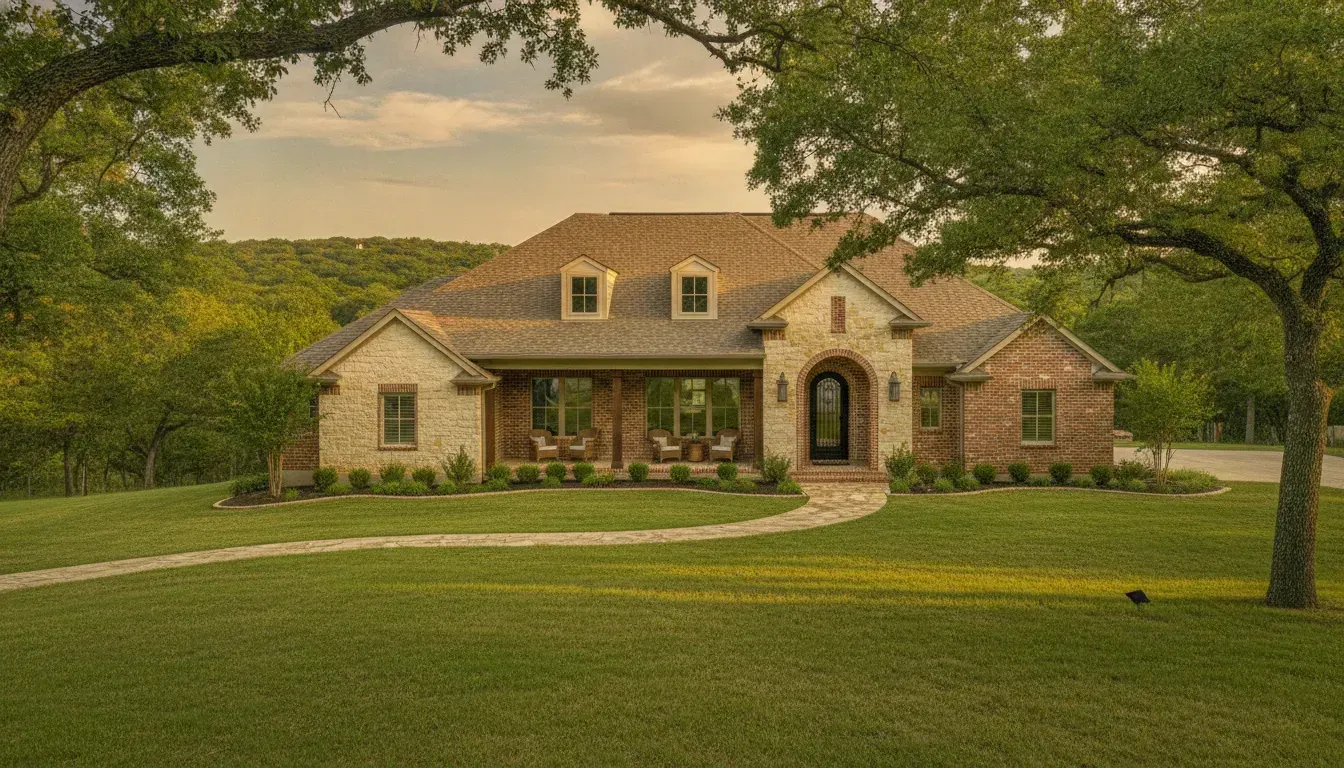
Choosing a custom builder is less about a polished promise than knowing what is defined before construction begins. Focus on the budget, the decisions ahead, and who is accountable for the work. A builder's published process and terms give a prospective homeowner something concrete to evaluate.
Contact ROSÖ Homes to Discuss Your DFW Custom Home
If you are asking, "why choose ROSO Homes custom builder DFW," start by looking at what ROSÖ Homes publishes: a design-build approach, a pricing basis, named founder responsibilities, and defined construction and warranty terms. ROSÖ describes an intentionally boutique operation. Its process puts design and budget approval before construction begins.
These details can help you decide whether the company's model fits your priorities. Then consider how each commitment applies to your home and what the written agreement says. Start with the practical reasons a DFW buyer might consider ROSÖ Homes.
Why Choose ROSO Homes Custom Builder DFW?
ROSÖ Homes may suit DFW buyers who want a home designed around their own lot, ideas, and budget, with design and construction coordinated through one company. Its model is intentionally boutique. The company says it builds about 15 to 20 homes a year. It invests in technology, materials, and its project team rather than a high-cost office or design studio. This is an operating choice, not a promise of personal attention. Ask who will lead your project and how often you will receive updates.
For buyers who already own land, the custom home build-on-your-lot process provides a starting point for discussing how a house can be shaped for a particular homesite. ROSÖ says its homes are designed for their individual locations, and it invites clients to bring design ideas, images, or drawings. This can be useful when you want to start with a location or a set of priorities rather than choose from a fixed plan. Before committing, confirm that your lot is within the current service area and discuss how its conditions may affect the design, scope, and price.
Another reason to consider the company is the opportunity to discuss design and budget together before construction. ROSÖ describes its approach as working with the buyer's ideas to plan a custom home on a budget. That conversation is most valuable when it produces clear decisions about which spaces matter most, what features are included, what requires an upgrade, and which site-related items are outside the written scope. The published starting price and terms may change, so use current written project details rather than an online figure as the basis for a decision.
This approach is not automatically right for every buyer. It is worth a conversation if you value customization, already have a suitable homesite or are exploring one, and want to take part in design and budget decisions. If you prefer a completed home, a fixed production plan, or do not want to participate in preconstruction choices, ask whether ROSÖ's current offerings fit that preference before moving forward.
When evaluating ROSÖ Homes, use its stated model as a set of questions to verify, not a substitute for a contract review. Ask who is responsible for design and construction, what decisions must be made before work begins, how any changes are documented, and what the written agreement says about scope and timing. The answers can help you decide whether the company's hands-on, custom approach matches the way you want to build.
What Does Fixed-Price Design-Build Mean for Your Budget?
A fixed-price approach makes a custom-home budget easier to evaluate when the price is tied to a defined design and written scope. ROSÖ Homes publishes a starting price of $175 per square foot for homes of at least 2,000 square feet of Total Area Under Roof (TAUR), with design and full construction plans included. Treat this as the company's published offer, not a guaranteed total for every lot or plan. Confirm the current rate and terms before relying on them.
TAUR is broader than interior living space. ROSÖ defines it as living area, garage, and covered porches or patios. A home with less interior space can still have substantial covered area in its pricing basis. Ask the builder to identify the TAUR used for your design and show how it was measured rather than assuming every square-foot figure uses the same definition. Check that the plan and estimate agree, and ask how design revisions affect the area.
Review pointWhat to confirmPrice basisConfirm the current rate, TAUR measurement, minimum size, and design or plan services stated in the quote.Written scopeMatch the approved plans to the specifications, allowances, exclusions, payment terms, and homesite.Price conditionsCheck quote validity, adjustments, change approvals, and how updates are documented.
Included design services let you bring ideas, pictures, or drawings and work with ROSÖ's team on plans. That does not establish that every finish, upgrade, site-work item, lot cost, or site condition is covered. Before signing, review the plans, specifications, allowances, exclusions, and payment terms together. Confirm how changes are priced and approved, and whether the written price covers the home and homesite you intend to build. If an allowance appears, ask what it covers and how any overage is handled.
ROSÖ states that prices are valid for 30 days from the contract or quote date unless otherwise specified. It reserves the right to adjust prices for shortages, environmental impacts, freight increases, or government regulations. So "fixed" does not mean immune to every change. Ask what happens if a listed condition arises, how notice and documentation work, and which parts of the quote remain firm after its validity period. Put any budget-affecting terms in the written agreement.
If you own a lot, review ROSÖ's fixed-price build-on-your-lot details as a starting point, then request a project-specific written scope. It should connect the price to your approved design, stated TAUR, and adjustment terms. Confirm the current rate, quote validity, and items included or excluded. That gives you a sounder basis for judging the budget than a per-square-foot figure alone.
A Boutique Builder With Clear Leadership
Project scale affects how a builder organizes its work. A small annual volume is not, by itself, proof of the attention any one client will receive. ROSÖ Homes describes its operation as a boutique model, building about 15 to 20 homes a year and says it prioritizes its team, building materials, and technology over expensive offices or a design studio. That gives buyers a concrete description of the company's approach; the practical question is how responsibilities and communication will work on their own project.
The company identifies George Roddy Jr. and Daniel Soto as its founders, with distinct areas of responsibility. According to ROSÖ Homes, Roddy manages business development, finance, land acquisition, and client relations, while Soto oversees construction, quality control, and project delivery. The founders' company-reported experience includes collectively purchasing, building, or renovating more than 10,000 homes in Texas. That figure describes a range of real-estate and construction experience, not a claim that they personally built that many custom homes. Meet ROSÖ Homes' founders and review the company's own account of its background.
Named roles can make it easier to understand where questions belong: budget, land, and client coordination on one side; construction execution and quality control on the other. They do not automatically tell you who will answer routine project questions or how decisions will be documented. Before signing, ask who will be your day-to-day contact, who can approve a change or resolve a site issue, and when you should expect progress updates. Ask how concerns move from the person you contact to the person responsible for the decision, too.
It is also useful to clarify what leadership involvement means during each stage. Will the founders attend particular milestones, or will a project manager lead those meetings? Who checks work against the approved plans, and how are corrections recorded? These are reasonable questions for any builder, not assumptions about ROSÖ's access model. Ask for the answers in the project communication plan or contract so everyone shares the same expectations.
A boutique structure may appeal to buyers who value a clearly defined team over a large, showroom-centered operation. The fit depends on the actual project team, decision process, and written commitments, not the word "boutique" alone. Use the published founder roles as a starting point, then confirm the people, responsibilities, and communication cadence that will apply to your home.
How the ROSÖ Homes Process Moves From Lot to Build
A custom home involves several decisions before construction can start. ROSÖ Homes outlines six stages, from selecting a homesite through completion. The sequence shows what comes first and where buyers need to make choices or coordinate with outside partners.
1. Find a homesite
Start with a lot you own or identify a suitable homesite. ROSÖ also offers community options, including Munson Ranch. If you have a specific property in mind, discuss its location and suitability with the builder before treating it as ready for construction. If you are still choosing a site, compare available options against your intended home and location priorities before settling on a design path.
2. Design the home
Once the homesite is identified, the design can respond to that location and your priorities. ROSÖ says clients can work with its design partners or bring their own architect. Share the ideas, drawings, and requirements that will guide the plan, and clarify how your chosen design team will coordinate with the builder. Be ready to discuss how you want the home to function, which features matter most, and what should take priority if choices need to be balanced against budget.
3. Approve the design and budget
Review the proposed design and budget together before moving ahead. Confirm what the written scope includes, which selections or changes may affect the price, and whether the plan fits your priorities. Buyers should also understand what decisions remain open, how revisions are handled, and what approval is needed before the project advances. Move on only when the scope and budget are clear to you.
4. Arrange construction financing
ROSÖ's published sequence places the construction loan after design and budget approval and before building begins. Work with your lender on financing requirements and timing, then confirm what needs to be in place for the project to proceed. Include this step in your planning early; design approval alone does not mean construction can start.
5. Begin construction
Construction starts after the preceding decisions and financing step. ROSÖ presents its 120-day timeline as applying from the building stage, not from the first conversation or the start of lot search and design. Preconstruction time is separate. Confirm the applicable start point and written schedule for your project, including what must be complete before the construction clock begins.
6. Complete the home
The final stage is completion of the home. Ask how completion will be confirmed, what review or handover steps apply, and how any outstanding items will be handled. ROSÖ's published process and available homes provide the company's overview of the stages.
The sequence works best when buyers are prepared to identify a site, communicate design priorities, approve scope and budget, and coordinate financing before construction. Clarify which choices are due at each milestone and who is responsible for moving them forward. Project details and timing vary, so use the written agreement and direct discussion with ROSÖ to establish responsibilities before proceeding.
What Quality Standards and Warranty Should Buyers Review?
Trust in a new home comes from details you can inspect before signing and protections you can understand after closing. ROSÖ Homes publishes a standard-features list that describes structural and finish selections, as well as warranty coverage. Treat it as a starting point for a project-specific conversation: confirm which items apply to your plan, what can be selected, and what may be an upgrade.
For example, the feature list describes a post-tension foundation designed by a structural engineer and lists Energy Star appliances, high-efficiency HVAC equipment, and Low-E glass windows among its efficiency-related elements. These details can help you form better questions about the home's construction. Ask which specifications will appear in your plans, how substitutions are handled, and whether any item depends on the chosen design or site. Do not assume a general feature page replaces the final specifications. Review the listed standard features alongside the documents for your home.
ROSÖ also describes warranty protection backed by 2-10 Home Buyers Warranty. Its published outline separates coverage by category: one year for workmanship and materials, two years for wiring, piping, and ductwork, and ten years for structural defects. Warranty terms can differ in what is covered, when a claim must be reported, and what exclusions apply. Read the actual warranty documents before you rely on the summary, and ask who receives a service request, what information to provide, and how a repair is evaluated.
As a general buyer resource, the Federal Trade Commission explains that builder warranties for newly built homes typically provide limited coverage for workmanship, materials, and specific components. It also notes that coverage length varies by component. Read the FTC's guide to warranties on new homes when preparing questions, then compare the explanation with ROSÖ's written terms. This is not a substitute for legal advice or the warranty itself.
A useful review pairs each promise with a document: plans and specifications for materials, a written scope for included work, and warranty papers for post-completion responsibilities. If an answer matters to your budget or confidence, ask for it in writing before approving the final design and price.
Who Is a Good Fit for ROSÖ Homes?
ROSÖ Homes may suit DFW buyers who want to shape a home around a particular site and have a defined budget before construction begins. The company offers a build-on-your-lot option and also has a community option at Munson Ranch in Royse City. If you are considering a lot elsewhere in the metroplex, confirm its location, site conditions, and eligibility with ROSÖ before assuming it can be built there.
Buyers who value clarity and design input
This model is worth exploring if you want to discuss budget and design together rather than select only from a production builder's standard plans. ROSÖ's published build-on-your-lot pricing starts at $175 per square foot of Total Area Under Roof (TAUR), with a 2,000-square-foot minimum, and includes design services. TAUR includes more than interior living space, so compare the same measurement and written scope when considering your budget. Confirm current pricing, what the quote covers, and any site-specific costs directly with the company.
It may also fit buyers who want to bring ideas, use ROSÖ's design partners, or work with their own architect. The company's materials describe a range of styles from modern to traditional, so a particular aesthetic is not the only consideration. The useful question is whether the design process and written choices can meet your priorities for this home and site.
Buyers with realistic expectations about timing
ROSÖ states a 120-day construction timeline that applies after building begins. Buyers who value a defined construction commitment may find that appealing, provided they understand that site selection, design decisions, approvals, and financing happen earlier. If you have a move-in deadline, discuss those stages and the construction start point before making plans around the timeline.
For a broader look at the decisions involved in buying a new home in the region, read the DFW new-build home buying guide. Then consider whether the custom design-build process matches your needs better than choosing an already completed home.
When another approach may fit better
ROSÖ Homes may not fit if you need to move immediately, want a project below its published minimum, or prefer not to make design and budget decisions. Request a full written scope if you need an all-in total. Confirm it addresses lot conditions, selections, and contract terms. Decide only when you understand the commitments, choices, and timing.
How to Evaluate the Builder Before You Sign
Every custom-home contract should make the project's scope and responsibilities understandable before construction. Use these questions to evaluate ROSÖ Homes' written proposal and to identify anything that needs clarification. The goal is not to assume every uncertainty can be removed, but to know how the agreement addresses it.
- What exactly is included? Ask for the final plans, specifications, allowances, exclusions, and payment schedule that define the home. Confirm that the documents describe the same design you approved.
- How is the area measured? If the price uses Total Area Under Roof (TAUR), confirm which areas are counted, how the measurement was calculated, and whether it matches the approved plan.
- How long is the quote valid? ROSÖ's website says prices are valid for 30 days unless otherwise specified. Confirm the date and rate for your proposal, and ask what happens when a quote expires.
- When can the price change? The published terms reserve adjustments for certain conditions, including shortages, environmental impacts, freight increases, or government regulations. Ask how the clause applies to your contract, what documentation and notice are provided, and how changes are approved.
- When does the construction timeline begin? ROSÖ describes 120 days for the construction stage, not the entire period from first contact through design and financing. Ask for the specific trigger date and schedule that will apply to your project.
- Who handles each decision? Confirm your day-to-day contact, the person authorized to approve changes, and who addresses construction or quality questions. Agree on how updates and decisions will be recorded.
- What does the warranty cover? Read the full warranty for covered components, reporting windows, exclusions, and the process for submitting a request. Keep the documents with your closing materials.
ROSÖ's published build-on-your-lot information can help you prepare, but your project contract controls the commitments for your home. For independent general guidance about why specific written expectations matter in a residential construction agreement, the Utah Department of Commerce construction-contract resource recommends that parties understand and complete their agreement. The resource is specific to Utah and is not Texas legal advice, but the practical habit of reading every term carefully applies wherever you build.
Frequently Asked Questions
Who is the best home builder in DFW?
There is no single best builder for every buyer. The right choice depends on the design, budget, location, communication style, construction schedule, and warranty terms that matter to you. Compare written scopes and confirm that each builder's claims apply to your specific home.
Why choose a custom home builder?
A custom builder can coordinate a home's design with your site and priorities rather than limiting you to a standard plan. ROSÖ Homes describes a design-build process that brings design and budget approval before construction. Ask how the approved plans, price, specifications, and change process will be documented.
Does ROSÖ Homes build in 120 days?
ROSÖ describes a 120-day timeline for the construction stage after building begins. Lot selection, design, budget approval, and financing come earlier, so the figure should not be treated as the entire time from first conversation to move-in. Confirm the start point and schedule in your written agreement.
What is included in ROSÖ Homes' published starting price?
ROSÖ publishes a starting price of $175 per square foot of Total Area Under Roof for homes of at least 2,000 square feet TAUR and says design and construction plans are included. Confirm the current price, its validity period, the project's scope, and any applicable adjustments directly with the company.
Discuss Your DFW Custom Home Project
A conversation with ROSÖ Homes can help establish whether its custom process fits your project. Bring your lot details, the size and style you have in mind, and any drawings or inspiration you want the team to consider.
Ask about current pricing and the project's written scope. Confirm how site conditions, changes, schedule, and warranty terms apply to your build. Use the contact page to start the discussion.
| Review point | What to confirm |
|---|---|
| Price basis | Confirm the current rate, TAUR measurement, minimum size, and design or plan services stated in the quote. |
| Written scope | Match the approved plans to the specifications, allowances, exclusions, payment terms, and homesite. |
| Price conditions | Check quote validity, adjustments, change approvals, and how updates are documented. |