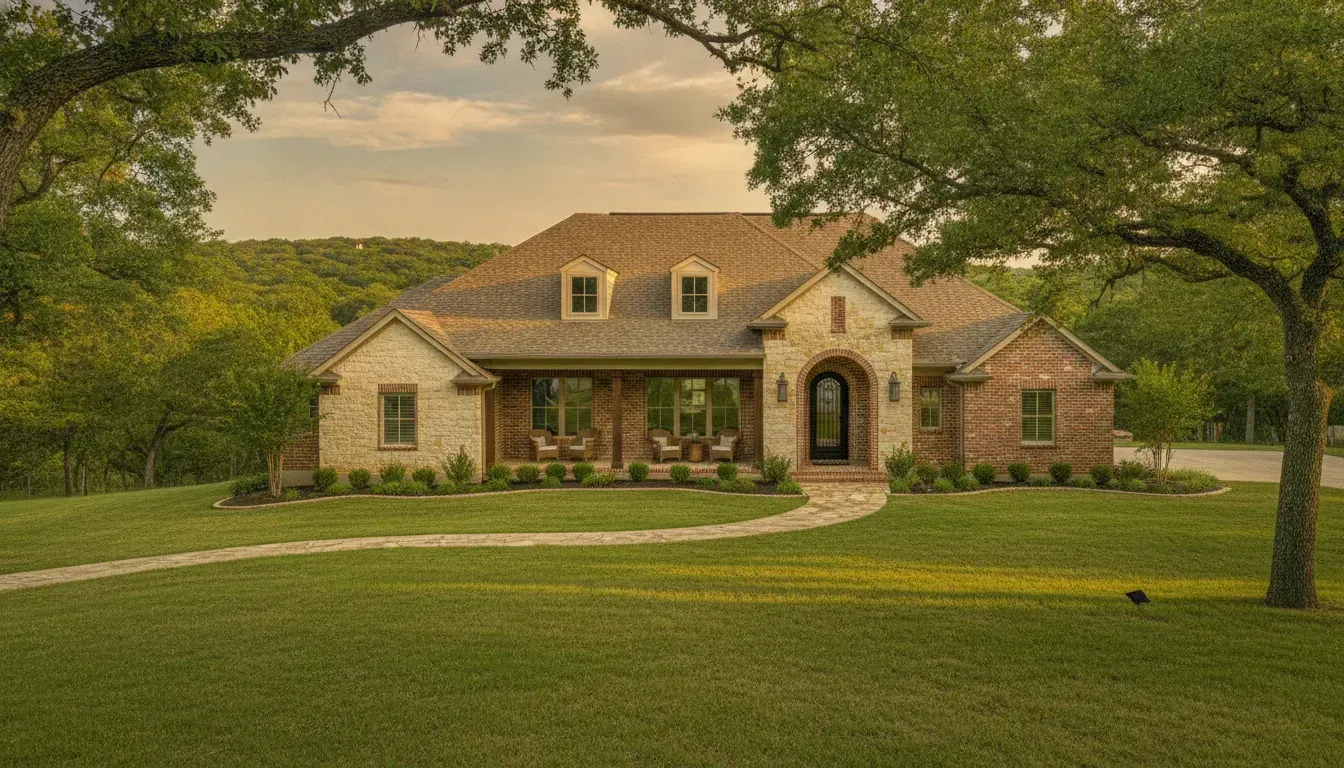

Best New Home Warranty Companies Texas: Coverage Guide
Find the best new home warranty companies Texas offers. Compare coverage, costs, and service options to protect your home’s systems and appliances.

Texas homes face demanding conditions, from long air conditioning seasons to sudden freezes, storms, and plumbing concerns. That makes warranty details especially important for homeowners who want predictable repair costs. The best new home warranty companies Texas offers may provide different plan tiers, digital claims, flexible add-ons, and contractor networks, but convenience does not replace careful contract review. Pay attention to HVAC limits, slab plumbing, sewer lines, roof leaks, pools, spas, and custom equipment. If you are building a home with ROSÖ Homes, start with the builder warranty. Then identify any gaps that a third-party service contract could reasonably address after construction-related coverage ends.
Key Takeaways
- Identify the right type of protection: Use a builder warranty for construction concerns, a service contract for eligible breakdowns, and homeowners insurance for covered property damage.
- Compare coverage against your home’s actual equipment: Check HVAC systems, plumbing, appliances, pools, specialty features, and custom installations before selecting a plan or add-on.
- Review costs and claim rules in writing: Confirm service fees, coverage limits, exclusions, waiting periods, contractor procedures, renewal pricing, and which party handles each repair.
Who Are Texas’s Best New Home Warranty Companies?
The best home warranty company for a Texas property depends on what you need covered, how old the home is, and whether you are buying a newly built house or an existing one. A third-party service contract for an older home usually focuses on aging appliances and mechanical systems. A builder warranty for a new custom home typically addresses workmanship, materials, and structural elements.
It also helps to distinguish a newer warranty company from an established provider introducing a new plan. Newer companies often focus on online claims, digital account management, flexible add-ons, and shorter contracts. Established providers generally offer longer operating histories, broader contractor networks, and more experience handling claims across Texas.
If you are building a custom home in the Dallas-Fort Worth area, review the builder’s warranty before purchasing outside coverage. A builder warranty may address construction-related concerns that a home service contract excludes. Then compare third-party plans for ongoing coverage of eligible systems and appliances. Pay close attention to service fees, coverage limits, exclusions, waiting periods, and the process for assigning a technician.
Define “new” versus established providers
A newer home warranty provider usually has a shorter operating history or a recently launched service model. These companies often appeal to homeowners who want to submit claims online, track appointments through a mobile account, and add coverage for specific equipment. Some also use plain-language contracts and digital tools to make the claims process easier to follow.
Established providers typically have larger service networks and a longer record of handling repairs. That experience can matter in Texas, where air conditioning, plumbing, electrical, pool, and septic issues may require specialized contractors. A broader network may also help when demand is high.
Neither category is automatically the better choice. A newer company may offer a smoother online experience, while an established provider may have stronger local contractor relationships. Compare the actual contract instead of relying on the company’s age or marketing. Check coverage caps, excluded conditions, service fees, waiting periods, renewal terms, and whether the provider or homeowner chooses the technician.
ROSÖ Homes: Builder warranty support for DFW custom homes
For a new custom home in Dallas-Fort Worth, the builder warranty should be one of the first documents you review. ROSÖ Homes offers custom home design and construction services for DFW homeowners, including fixed-price building and construction on client-owned lots or in communities such as Munson Ranch.
ROSÖ Homes also provides builder warranty support for the initial years of homeownership. This support is different from a general home service contract because it may address workmanship, materials, and construction-related concerns under the builder’s terms. Before signing, ask how to report an issue, which items are covered, how long coverage lasts, and what documentation is required.
Clarify responsibility for architect-specified products, upgraded finishes, custom mechanical systems, and owner-supplied materials. Keep inspection reports, product selections, permits, manufacturer warranties, and repair records together. These documents can help determine whether an issue belongs with the builder, manufacturer, insurer, or third-party warranty company.
American Home Shield: ShieldSilver, ShieldGold, and ShieldPlatinum
American Home Shield is an established provider with three primary plan levels. ShieldSilver covers major home systems, including heating, electrical, plumbing, and air conditioning equipment. ShieldGold combines systems and appliances, while ShieldPlatinum offers broader protection and may include roof leak repair under the plan’s terms.
According to American Home Shield’s plan information, pricing can start at $29.99 per month. Your actual cost depends on the property, selected plan, service fee, and optional coverage. Review the complete quote carefully, especially if the advertised price includes a promotion.
Texas homeowners should pay close attention to air conditioning coverage. Pool and spa equipment, septic pumps, and other high-use systems may require an add-on or have separate limits. Ask whether the plan covers diagnosis, labor, parts, refrigerant, code upgrades, and inaccessible equipment. Also check how the company handles replacement when the original part or model is no longer available.
First American Home Warranty: Starter, Essential, and Premium
First American Home Warranty offers Starter, Essential, and Premium plan levels for Texas homeowners. The Starter Plan covers core systems and appliances. The Essential Plan adds more household equipment, while the Premium Plan provides broader protection and may include luxury appliances and roof leak coverage.
The First American Texas home warranty page lists plans starting at $31 per month. The company states that its plans do not have a total coverage dollar limit, but individual conditions, exclusions, and item-specific limits still apply. A plan can have no overall limit while restricting particular components, labor costs, or replacement options.
Request a written quote based on the property address and installed equipment. For a luxury or custom home, confirm eligibility for built-in refrigerators, professional ranges, wine coolers, multiple HVAC zones, tankless water heaters, and other specialized equipment. Do not assume that a premium tier covers every item in the house.
Newer Texas providers: Digital claims, flexible add-ons, and clear contracts
Newer Texas warranty companies often compete through convenience. Their platforms may allow homeowners to submit claims online, upload photos, receive appointment updates, and review service history without calling support. Some also offer add-ons for smart home equipment, extra refrigerators, roof leaks, pools, spas, and other property-specific needs.
These features can make service easier, but a polished website does not guarantee reliable claims handling. Before enrolling, find the full contract, exclusions, service fees, cancellation rules, and waiting periods. Look for a clear explanation of what happens after you submit a claim, including when a contractor will contact you, who approves the repair, and how you can request help if the first visit does not resolve the issue.
Pay attention to terms such as “reasonable cost,” “normal wear and tear,” “proper maintenance,” and “comparable replacement.” These phrases can affect whether a claim is approved and how much the company pays. If smart devices or custom equipment matter to you, confirm that coverage appears in the contract.
Compare established and newer companies: Networks, backing, and service
An established company may have a larger contractor network, which can help when Texas homeowners need air conditioning or plumbing repairs during periods of heavy demand. It may also have structured escalation procedures and more experience handling complex claims. Still, a large network does not guarantee the same service quality in every Texas market.
A newer provider may offer faster digital communication, flexible coverage, or a simpler claims process. Its potential weaknesses include fewer contractors, limited local availability, or a shorter record of resolving difficult claims. Review feedback from homeowners in the same area and look for repeated concerns involving missed appointments, repeat visits, denied claims, or delays in obtaining parts.
Ask each provider who selects the contractor, whether you can request a different technician, and whether repairs include a workmanship guarantee. Find out how the company handles disputes and escalates unresolved claims. The strongest service model combines convenient digital tools with responsive phone support and clear follow-up procedures.
Identify what sets the strongest providers apart
The strongest home warranty providers make their coverage clear before you pay. Their contracts identify covered items, service fees, limits, exclusions, waiting periods, renewal terms, and cancellation rules. They also explain how repairs and replacements work when a part is unavailable or a system cannot be repaired.
Customer feedback can help you compare companies, but read it for patterns rather than isolated praise. Look for repeated comments about communication, contractor quality, claim decisions, and how the provider responds when an initial repair fails. Reviews from homeowners with similar properties and equipment are more useful than general ratings alone.
For a DFW custom home, compare third-party coverage with the builder’s warranty support. ROSÖ Homes’ custom building approach may provide builder-specific support during the early ownership period, while a third-party plan may cover eligible systems and appliances afterward. The best fit is the provider whose contract matches your property, equipment, budget, and expectations for service.
What Does a New Home Warranty Cover in Texas?
A new home warranty in Texas can mean a builder warranty, a third-party home service contract, or both. These forms of protection address different risks, so buyers should not assume that one agreement covers every issue after closing.
A builder warranty generally addresses defects related to construction, workmanship, or materials. It may cover items such as improperly installed components, damaged materials, or certain structural concerns for a defined period. The written agreement should explain covered defects, exclusions, reporting deadlines, and the process for requesting repairs.
A third-party service contract usually covers the repair or replacement of listed home systems and appliances when they fail because of normal wear and tear. It may include HVAC equipment, plumbing, electrical systems, refrigerators, ovens, and other household appliances. Coverage depends on the specific plan, service fee, claim limits, and exclusions.
For a custom home, start by reviewing the builder’s warranty before purchasing additional coverage. ROSÖ Homes builds custom homes throughout the Dallas-Fort Worth area, including homes on client-owned lots and in planned communities. Ask which issues the builder handles directly, how long each category remains covered, and whether using a third-party provider could affect the builder’s responsibilities. You can contact ROSÖ Homes to discuss warranty support for a custom construction project.
Compare builder warranties and third-party service contracts
A builder warranty typically covers defects connected to the home’s construction, materials, and workmanship. The agreement may separate coverage into different periods for workmanship, systems, and structural components. It may also require homeowners to report problems within a specific timeframe or follow a formal inspection and repair process.
A third-party service contract works differently. It usually covers listed systems and appliances that stop working because of normal wear and tear. It may exclude defective installation, construction errors, pre-existing conditions, code violations, and items still covered by a builder or manufacturer warranty.
Read both agreements before deciding whether additional coverage is worthwhile. First American’s Texas home warranty information explains how service contracts can cover household systems and appliances, subject to plan-specific terms and limits. Ask who is responsible for each type of problem, how claims are submitted, and whether the provider chooses the contractor.
Review workmanship, systems, appliances, and structural coverage
Review coverage by category instead of treating the warranty as protection for the entire home. Workmanship coverage may apply to issues caused by improper installation or construction. Systems coverage may include plumbing, electrical, heating, and air conditioning equipment. Appliance coverage generally applies only to the named items and components listed in the contract.
Structural coverage is separate from routine service coverage. It may address serious defects affecting load-bearing walls, beams, foundations, or other structural elements, but the agreement may define these terms narrowly. It may also exclude cosmetic cracks, normal settlement, soil movement, or damage caused by poor maintenance.
Ask for the complete builder warranty before signing a construction contract or closing on a new home. Confirm the coverage period, claim deadline, inspection process, repair standard, and exclusions. If a third-party administrator handles claims, identify that company and learn how disagreements are reviewed.
Check HVAC, air conditioning, heating, and water heater coverage
HVAC coverage deserves careful attention in Texas because air conditioning systems face long, demanding seasons. A plan may cover the central unit, blower motor, thermostat, heat pump, furnace, or ductwork, but these components are not included in every contract. Some plans also impose separate limits on refrigerant, disposal, permits, or code-required upgrades.
Water heaters may appear under systems coverage or appliance coverage. Check whether the plan includes tank and tankless models, valves, controls, heating elements, and labor. Some contracts limit coverage based on equipment type, age, capacity, or installation method.
For a new custom home, confirm that the provider accepts the specific brand and model selected for the property. Ask how it handles modified, oversized, inaccessible, or architect-specified equipment. American Home Shield’s Texas plan information shows how coverage can vary between systems, appliances, and optional items.
Review plumbing, electrical, sewer lines, and slab-related limits
Plumbing and electrical systems are common warranty categories, but coverage often ends at specific points. A plumbing plan may exclude outdoor lines, fixtures, faucets, leaks behind walls, or damage caused by tree roots. Electrical coverage may exclude low-voltage wiring, smart-home equipment, detached structures, and components that do not meet current code.
Sewer lines and slab-related plumbing require additional review in Texas. An optional sewer-line benefit may cover some repairs but exclude excavation, foundation access, pipe replacement, landscaping, or concrete restoration. A slab leak can involve detection, access, repair, and restoration, and each step may have its own limit.
Ask the provider to explain these limits in writing before purchasing coverage. For a new home, also confirm who handles plumbing defects caused by installation or construction. Those issues may belong under the builder warranty rather than a third-party service contract.
Check refrigerators, ovens, dishwashers, washers, and dryers
Appliance coverage commonly includes refrigerators, ovens, ranges, dishwashers, washers, and dryers. However, a contract may cover only mechanical and electrical parts. Shelves, racks, knobs, screens, ice makers, water dispensers, cosmetic damage, and smart features may have separate exclusions or limits.
Built-in and luxury appliances require extra care. Verify that the provider accepts the brand, model, installation type, and purchase date. Specialty appliances may need authorized technicians or hard-to-find parts, which can affect repair times and replacement decisions.
Ask what happens when a covered appliance cannot be repaired. The provider may replace it with a comparable model, offer a cash payment, or pay only up to a stated limit. Keep receipts, installation records, manuals, and manufacturer warranty documents. These records can help establish eligibility and clarify whether the builder, manufacturer, or service contract provider should handle the claim.
Consider roof leaks, pools, spas, septic systems, luxury equipment, and tune-ups
Optional coverage may apply to roof leaks, pool and spa equipment, septic systems, well pumps, additional refrigerators, or other specialty items. These add-ons can be useful, but their definitions and limits are often narrower than homeowners expect.
Roof-leak coverage may apply only to occupied roof areas and exclude flashing, gutters, skylights, metal roofs, structural repairs, or damage that existed before the contract began. Pool and spa coverage may include pumps, filters, heaters, or motors while excluding liners, plumbing leaks, cosmetic damage, and underground components.
Preventive maintenance and tune-ups are not automatically included. Review the covered parts, service fee, annual limit, exclusions, and contractor requirements for every add-on. If the home includes luxury or architect-specified equipment, confirm in writing that the provider will service the exact brand and model before adding the item to the plan.
Separate home warranties, homeowners insurance, and manufacturer warranties
A home service contract generally covers eligible breakdowns caused by normal wear and tear. Homeowners insurance addresses damage from covered events, such as fire, theft, wind, or certain types of water damage. Insurance does not replace routine maintenance, and a home warranty does not replace an insurance policy.
A manufacturer warranty may cover defective parts or workmanship for a newly installed HVAC system, water heater, appliance, or other product. It may last for a defined period and require registration, approved installation, or the use of authorized service providers. A builder warranty may address installation or construction defects that neither a manufacturer warranty nor a service contract covers.
Before filing a claim, check every relevant document to identify the responsible party. Texas Department of Insurance guidance explains how homeowners insurance differs from other forms of home protection. Keep copies of the builder warranty, service contract, insurance policy, receipts, permits, and manufacturer documents in one place.
Which Plans and Coverage Options Should Texas Buyers Compare?
The right home warranty depends on the property, not simply the provider’s name. A newly built custom home may need different protection than an older resale property. A luxury home may also include equipment that standard plans exclude, such as built-in refrigerators, professional ranges, multiple HVAC zones, or tankless water heaters.
Before comparing prices, make a complete list of the home’s major systems, appliances, specialty features, and builder-provided warranties. Include each item’s manufacturer, model number, installation date, and current warranty status. This information can help you identify gaps before you choose a service contract.
Then compare covered items, service fees, limits, exclusions, repair procedures, and claim requirements. A lower annual price may not provide better value if the contract excludes your HVAC system, limits appliance repairs, or charges extra for inaccessible equipment. Texas buyers can review coverage details from providers such as American Home Shield and First American Home Warranty.
For a new custom home, compare third-party warranty coverage with the builder’s workmanship and structural warranty. Confirm who handles defects involving installation, construction, manufacturer parts, and normal equipment breakdowns. Clear responsibility can help prevent delays when a problem affects more than one part of the home.
Compare systems-only, appliance-only, and combination plans
Systems-only plans generally cover essential home infrastructure, such as heating, air conditioning, plumbing, electrical systems, and water heaters. They may suit buyers whose appliances are new or still protected by manufacturer warranties. They can also be useful when the primary concern is the cost of repairing major mechanical systems.
Appliance-only plans focus on items such as refrigerators, ovens, dishwashers, washers, and dryers. This option may fit a home with newer plumbing and HVAC systems but older kitchen or laundry appliances. Check whether built-in, integrated, or professional-grade appliances qualify under the contract.
Combination plans include both systems and appliances. They usually cost more, but they can reduce the chance that a failed item falls outside the agreement. Create a list of everything you want covered, then compare that list with each contract rather than relying on the plan name.
Also review optional add-ons. Roof leaks, pools, spas, septic systems, well pumps, and secondary refrigerators may require separate coverage. Ask whether add-ons have their own limits, service fees, exclusions, or waiting periods.
Review basic, enhanced, and premium tiers
Many warranty providers offer basic, enhanced, and premium tiers. Basic plans typically cover core systems and a limited selection of appliances. Enhanced plans may add more items, increase certain limits, or include benefits such as coverage for code-related work. Premium plans can include luxury appliances, HVAC tune-ups, or other expanded services, depending on the agreement.
Do not assume that the highest tier covers every part of the home. Read the itemized contract and confirm whether the plan includes diagnosis, labor, parts, refrigerant, disposal, permits, and code upgrades. Some services remain excluded even when you select the most comprehensive option.
First American lists Starter, Essential, and Premium plans in Texas. Compare the plans line by line, paying attention to additions such as clothes washers and dryers, luxury appliances, and HVAC maintenance. Choose the tier based on your equipment, budget, and likely repair exposure, not the label alone.
Compare AHS ShieldSilver, ShieldGold, and ShieldPlatinum
American Home Shield offers three plan levels in Texas: ShieldSilver, ShieldGold, and ShieldPlatinum. According to the company, ShieldSilver focuses on major home systems, ShieldGold adds appliances, and ShieldPlatinum provides broader coverage with additional benefits, including roof leak repair.
This structure gives buyers a useful starting point. Someone with newer appliances may prefer a systems-focused plan, while a buyer purchasing an older home may want systems and appliances under one agreement. ShieldPlatinum may be worth reviewing when the property includes more extensive equipment or when roof leak coverage is important.
Review the current contract before enrolling. Confirm the covered items, service fee, HVAC and appliance limits, roof leak terms, and exclusions for pre-existing conditions or improper installation. AHS states that its agreements include a total limit per agreement term, but item-specific limits and exclusions still apply. Read the AHS Texas coverage details instead of comparing plan names alone.
Compare First American Starter, Essential, and Premium
First American’s Texas plans offer another tiered structure. The Starter Plan covers core systems and selected appliances, while the Essential Plan adds more everyday appliances and equipment. The Premium Plan provides broader protection, including certain luxury appliances and HVAC tune-ups, subject to the agreement’s terms.
This distinction matters for custom and higher-end homes. A kitchen with a built-in refrigerator, warming drawer, wine cooler, or professional range may not qualify under a basic appliance plan. Ask whether the contract covers the specific make, model, capacity, and installation type.
Check whether each item is included automatically or requires an add-on. You should also ask whether the provider pays the full replacement cost or applies a limit, allowance, or cash settlement. Plan details can change, so use the official First American Texas coverage information when requesting a quote and reviewing the agreement.
Check item, system, aggregate, and total-claim limits
Coverage limits may apply to one appliance, one system, a category of equipment, or all claims made during the agreement term. These limits are easy to miss because a plan may advertise broad coverage while placing a dollar cap on expensive repairs.
For example, a contract might cover an air conditioner but limit payment for specific components, refrigerant, or replacement equipment. Another contract may set separate limits for appliances, plumbing, electrical work, or structural access. Some providers also impose an aggregate or total-claim limit for the entire agreement period.
Ask the provider to explain:
- The limit for each covered item
- The limit for each system or category
- The total amount payable during the agreement term
- Whether labor, parts, diagnosis, permits, and disposal count toward the limit
Pay close attention to HVAC systems, slab plumbing, sewer lines, pools, and luxury appliances. Repairs involving these items can become expensive, particularly when replacement equipment must match a custom installation. Request written answers when the contract language is unclear.
Review repair-or-replace rules, parts availability, and workmanship guarantees
A home warranty does not always mean the provider will replace a failed item with a brand-new equivalent. Most contracts allow the provider to attempt a repair first. If repair is not practical, the provider may replace the item with equipment that meets its definition of comparable performance, subject to the contract’s limits and exclusions.
Ask what happens when the original brand is discontinued or a matching part is unavailable. The agreement may permit refurbished, used, or substitute parts. It may also allow a cash payment instead of a replacement if the required equipment exceeds the plan’s limit.
Review the workmanship guarantee, too. Find out how long the provider guarantees a completed repair, whether a return visit creates another service fee, and who handles disputes about the technician’s work. First American explains that covered items it cannot repair may be replaced under the contract, but specific terms, limits, and exclusions control the claim. Read the repair and replacement provisions before signing.
Confirm custom, luxury, and architect-specified equipment eligibility
Custom homes often include equipment that does not fit a standard warranty’s assumptions. Examples include built-in refrigerators, commercial-style ranges, multiple HVAC zones, tankless water heaters, smart home controls, custom water treatment systems, and architect-specified fixtures.
Ask whether the provider covers the equipment, controls, connected components, and installation-specific parts. A plan may cover a built-in appliance but exclude cabinetry removal, specialized trim, structural access, or modifications needed to install a replacement. It may also exclude equipment above a certain capacity.
Provide the provider with a complete equipment schedule before buying coverage. Include manufacturer names, model numbers, installation dates, warranties, and photographs of unusual installations. Request written confirmation for anything described as custom, professional-grade, high-capacity, integrated, or architect-specified.
Premium tiers and optional enhancements may include luxury appliances, but eligibility still depends on the contract. First American identifies luxury appliance coverage among its Texas plan options and enhancements. Verify the details through the provider’s current coverage documents.
Check coverage for new construction, resale homes, client-owned lots, and community builds
The property’s stage and ownership history can affect which warranty applies. A brand-new home may already have builder coverage for workmanship, systems, and structural defects. A third-party home warranty may cover repairs outside that builder warranty, but the responsibilities should be clear before closing.
For a resale home, review the inspection report, maintenance records, repair invoices, and age of major equipment. Ask whether the provider excludes pre-existing conditions or requires a waiting period before claims begin. Coverage may also differ when the buyer has not previously occupied the property.
Client-owned lots and community builds require careful coordination. Confirm whether ROSÖ Homes, a trade contractor, the manufacturer, the builder warranty, or a third-party provider handles each type of defect. A problem involving both installation and equipment failure should have a clearly defined claims process.
Before signing, request copies of the builder warranty, third-party service contract, manufacturer warranties, and community warranty documents. ROSÖ Homes provides custom home design and construction services in the Dallas-Fort Worth area, so buyers should ask how proposed warranty coverage fits with the builder’s workmanship and construction responsibilities.
How Much Do Texas Home Warranty Companies Cost?
The cost of a Texas home warranty depends on more than the advertised monthly premium. Your total expense may include service fees, optional coverage, renewal increases, and charges for work that falls outside the contract. If you are building a new custom home, compare those costs with your builder warranty, manufacturer warranties, homeowners insurance, and the cash you could reserve for repairs.
A third-party home warranty can make some repair expenses easier to plan, but it does not replace construction coverage or guarantee that every claim will be approved. Request a quote based on your property, systems, appliances, and location, then review the contract before enrolling.
Compare monthly and annual pricing
Basic Texas home warranty plans commonly start at around $30 per month, although the final price varies by provider, coverage tier, property details, and optional services. American Home Shield, for example, lists Texas plans starting at about $31 per month. Review the provider’s current Texas home warranty plans to see how pricing changes between coverage levels.
Monthly billing may be easier to manage after purchasing a home. Annual billing can reduce the effective monthly price when a company offers free months or another discount. Compare the full 12-month cost, including service fees and add-ons. If you sell the property or cancel early, check whether any unused portion of the annual payment is refundable.
Review service fees, deductibles, dispatch charges, and uncovered-claim costs
Home warranty companies generally charge a service fee each time you request a repair. In Texas, these fees often fall between $50 and $75, although the amount varies by provider and plan. Some companies let you select a lower service fee in exchange for a higher monthly premium, so compare both costs together.
You may also pay for work the contract excludes. A provider could cover a failed air-conditioning component but exclude code upgrades, improper installation, concealed equipment, or access through a wall. Ask whether the service fee applies when a technician finds no covered failure. Consumer discussions, such as this Texas home warranty recommendation thread, can reveal common concerns, but your contract should make the final decision clear.
Compare advertised prices with complete Texas quotes
An advertised starting price is only a reference point. Your final quote may change based on the home’s size, location, age, plan tier, systems, appliances, and selected add-ons. Request a written quote that lists the premium, service fee, coverage limits, exclusions, waiting period, renewal terms, and optional coverage costs.
Ask each provider to quote the same items. For example, compare air conditioning, heating, plumbing, electrical systems, water heaters, refrigerators, and laundry appliances across identical plan levels. First American’s Texas home warranty information offers a useful starting point for reviewing available coverage and preparing questions before you request a quote.
Review pricing factors: tier, home size, age, location, and add-ons
Your plan tier is one of the main pricing factors. A systems-only plan usually costs less than a combination plan that includes appliances. Premium plans may include higher limits, additional components, or benefits such as roof leak coverage. Providers may also consider the home’s size, age, property type, and location within Texas.
Optional coverage can include pools, spas, septic systems, well pumps, roof leaks, additional refrigerators, and other equipment. If you own a custom or high-end home, confirm eligibility before paying for an add-on. Architect-specified HVAC systems, smart-home equipment, commercial-style appliances, and specialty components may have separate restrictions. A less expensive plan may provide limited value if its coverage does not match the equipment in your home.
Check renewal increases, cancellation fees, waiting periods, and transfer charges
Read the renewal section before signing up. A promotional first-year price may not continue into the next term, and the company may change the premium, service fee, or coverage terms at renewal. Confirm when the provider will notify you of changes and whether the contract renews automatically.
Many providers also impose a waiting period before coverage begins. This helps prevent claims for problems that existed before enrollment. Ask whether the waiting period can be waived when you are replacing an existing warranty. If you sell your home, check whether the contract can transfer to the buyer and whether a fee applies. Review cancellation terms as well, including refund calculations and administrative charges.
Compare annual-payment discounts with post-introductory pricing
Paying for a full year upfront may lower your effective monthly cost. Some companies advertise incentives such as two free months with annual billing, while others offer reduced service fees or discounts on optional coverage. Calculate the complete first-year cost, then compare it with the standard renewal price.
Read the promotion’s eligibility rules before enrolling. The offer may apply only to new customers, a specific plan, or a limited enrollment period. It may not reduce service fees, coverage limits, or add-on charges. Resources such as this home warranty pricing comparison from Money can help you understand common offers, but confirm every term in your quote and contract.
Weigh warranty costs against builder coverage, repair savings, and cash reserves
A home warranty may appeal to homeowners who want predictable service costs or own an older property with several aging systems. It may provide less value when a builder already offers strong workmanship, systems, and structural coverage. If you are building with ROSÖ Homes, review the builder warranty first, then identify any gaps a third-party service contract might address.
Compare the annual premium and likely service fees with the amount you could keep in an emergency repair fund. A warranty may cover a qualifying HVAC or water heater repair, but the provider could cap its contribution or exclude problems linked to poor maintenance or installation. Homeowners insurance generally addresses sudden damage from covered events, while manufacturer warranties may cover specific new equipment. Review each form of protection together before deciding whether an additional service contract fits your home.
What Do Customer Reviews Reveal About Texas Home Warranty Service?
Customer reviews can show how a home warranty company handles real service requests, but they should not be your only source of information. The most useful reviews explain what happened after a homeowner submitted a claim, including how quickly a contractor arrived, whether the repair was completed, and what the homeowner paid.
Read reviews alongside the service contract, especially when comparing coverage for a new DFW custom home, an older resale property, or a home with specialized equipment. Reviews can reveal patterns in service quality, while the contract determines what the provider is required to cover.
Look for clear communication, fast dispatch, and completed repairs
Positive reviews often mention more than a friendly customer service representative. Look for details about how quickly the company acknowledged the claim, scheduled a technician, explained the next steps, and completed the repair. These details offer a clearer picture of the service experience than a short review that simply says the company was helpful.
Texas customers have praised American Home Shield’s Texas service for quick responses, communication, and contractor coordination. When reading reviews, note whether the customer received updates during delays, understood any out-of-pocket charges, and knew whom to contact when the first repair did not solve the problem.
A completed repair matters as much as fast dispatch. A technician who arrives quickly but leaves the system malfunctioning may create more frustration than a properly explained delay followed by a lasting solution.
Watch for denials, delays, repeat visits, and poor contractor quality
Negative reviews can help you identify recurring problems, particularly when several customers describe similar experiences. Watch for complaints about denied claims, unexpected service fees, long waits for parts, repeat visits, incomplete repairs, or contractors who fail to communicate. These issues may reflect a gap between customer expectations and contract terms, but repeated complaints can still reveal service weaknesses.
Texas homeowners have raised these concerns in public discussions about home warranty providers. Reviews in this Texas homeowner discussion include complaints about denials, limited coverage, poor-quality contractors, delays, and repair disputes.
Do not treat every negative review as proof that a company will provide poor service. Instead, look for specific details. Did the issue involve an exclusion, an aging system, improper installation, or a covered breakdown? Did the company explain its decision and offer an appeal or second opinion?
Compare reviews by Texas market, system, appliance, and property age
A review from Houston may not reflect the experience of a homeowner in the Dallas-Fort Worth area. Climate, contractor availability, housing stock, and seasonal demand can affect service times. Air conditioning claims may also take longer during a Texas heat wave than appliance repairs during a quieter period.
Compare reviews by the type of item involved. Look separately at HVAC systems, water heaters, plumbing, electrical components, refrigerators, ranges, and dishwashers. A provider may receive strong appliance reviews but weaker feedback for major system repairs.
Property age matters, too. Texas homes average just over 30 years old, according to American Home Shield’s Texas home warranty information, so many systems may be nearing the end of their expected service life. For a newer home, focus on reviews involving workmanship, installation issues, and builder support. For an older home, look for claims involving corrosion, pre-existing conditions, worn components, and replacement decisions.
Check review dates, complaint records, ratings, and company responses
Review dates can help you determine whether a complaint reflects the company’s current processes. A provider may have changed its contractor network, claims platform, service fees, or escalation procedures since an older review was published. Give more weight to recent reviews that describe the same type of claim you expect to make.
Look at ratings across several sources rather than relying on one platform. Read the details behind each rating, then check whether the company responded. A thoughtful response does not erase a poor experience, but it can show whether the provider investigates complaints, explains contract terms, and tries to resolve an open issue.
Customer experiences can vary depending on the contractor, policy language, and type of repair. For that reason, compare public reviews with complaint records and current plan documents. When possible, search for reviews from homeowners with a similar property age, location, and equipment profile.
Evaluate contractor networks, technician choice, and escalation support
The contractor network can shape your experience as much as the warranty brand itself. Ask whether the provider assigns an independent repair professional, allows you to recommend a licensed technician, or requires approval before you hire someone outside its network. Also check what happens if the assigned contractor cannot diagnose the problem or does not have the necessary parts.
For example, American Home Shield explains its contractor assignment process and states that it repairs or replaces covered systems and appliances according to the plan agreement. Reviews can help you assess how that process works in practice, including dispatch times, technician quality, and follow-up support.
Look for comments about escalation. Can customers request another technician, speak with a claims supervisor, or challenge a denial? These options matter for complex repairs, custom equipment, and systems that require specialized knowledge. If you are building a custom home with ROSÖ Homes or using an architect-specified system, confirm that the provider has suitable technicians before purchasing coverage.
Use reviews to test contract language, not replace it
Reviews are most useful when they raise questions for you to verify in the contract. If several customers mention denied air conditioning claims, check the agreement for refrigerant, coils, compressors, maintenance, code upgrades, and access limitations. If reviewers report unexpected plumbing charges, look for exclusions involving slab leaks, sewer lines, excavation, and inaccessible pipes.
The plan agreement controls the provider’s obligations. American Home Shield’s Texas coverage information notes that service fees, coverage limits, exclusions, and non-covered charges may apply. These terms can affect whether a repair is approved, whether a replacement is offered, and how much the homeowner pays.
Save a copy of the contract and request written clarification before enrolling. Pay special attention to definitions such as “breakdown,” “pre-existing condition,” “proper maintenance,” and “reasonable access.” For a new home, compare these terms with the builder warranty and manufacturer warranties so you know which party handles a problem.
Look for consistent claims handling, not isolated praise
One glowing review does not prove that every claim will go smoothly, and one angry review does not tell you everything about a provider. Focus on patterns across many detailed reviews. Do customers regularly mention prompt dispatch, clear explanations, qualified technicians, and completed repairs? Or do similar complaints appear across different systems, contractors, and Texas markets?
Provider testimonials can offer useful examples of what customers value. First American Home Warranty’s Texas customer information highlights monthly costs, service fees, long-term coverage, and repair support. Treat company-published testimonials as one source, then compare them with independent reviews and the plan’s actual terms.
Before choosing a policy, create a short review checklist that covers claim response time, contractor quality, repeat visits, denial explanations, replacement policies, and escalation options. Compare those findings with your home’s age, equipment, builder warranty, and likely repair risks. This approach keeps reviews in context while helping you identify providers with more consistent claims handling.
Which Texas Protections and Exclusions Should You Check?
A home warranty can help arrange repairs for covered systems, but it does not replace homeowners insurance, a builder warranty, or a manufacturer’s warranty. Before choosing a plan, read the sample contract and compare its terms with the protections attached to your home. Pay close attention to Texas-specific risks, new construction, custom equipment, and claim requirements.
The plan name alone tells you very little. Two providers may offer similar coverage categories but apply different service fees, dollar limits, exclusions, and repair rules. A “premium” plan may still exclude a custom HVAC system, slab plumbing, roof leaks, or code-required upgrades. Ask for written answers to your questions and keep them with the contract.
For a custom home built by ROSÖ Homes, review the builder warranty at the same time. This helps you separate workmanship issues from equipment failures, storm damage, and routine maintenance. Knowing which party handles each problem can prevent delays and unexpected costs after you move in.
Review Texas registration, disclosures, cancellation rights, and complaint resources
Start by confirming who regulates the contract and where you can report a concern. Texas home service contracts may include disclosures about covered items, exclusions, cancellation, renewals, and the provider’s responsibilities. Read the agreement itself rather than relying only on a sales page or verbal explanation.
Ask how long you have to cancel, whether you receive a full or partial refund, and whether cancellation fees apply. Find out whether the provider can change pricing or terms at renewal. Keep your contract, receipt, plan number, and claim records together.
If a dispute remains unresolved, review the Texas Department of Licensing and Regulation complaint resources and confirm whether the agency handles your specific contract or issue. You can also ask the provider which state agency oversees its service contract operations.
Check limits for heat, freezes, storms, slab plumbing, sewer lines, and roof leaks
Texas homes face intense heat, sudden freezes, heavy rain, hail, and severe storms. A plan may cover an air conditioning breakdown while excluding damage caused by a storm, power surge, flood, or poor maintenance. Review the cause-of-loss language before assuming a repair qualifies.
Pay close attention to slab plumbing, underground sewer lines, and roof leaks. These items may be excluded, subject to low limits, or available only as add-ons. Ask whether coverage includes detection, excavation, concrete removal, permits, and restoration, or only the failed component.
For storm damage, compare the service contract with your homeowners policy. The Texas Department of Insurance’s homeowners insurance guidance explains how property insurance generally handles covered damage, which can help you identify gaps between the two types of protection.
Review pre-existing conditions, maintenance failures, and improper installation
Most service contracts restrict coverage for conditions that existed before the plan began. They may also exclude failures caused by neglect, rust, corrosion, sediment, incorrect installation, code violations, or modifications made by a previous owner. These terms are especially important for older homes and properties with limited maintenance records.
Before closing or enrolling, gather inspection reports, repair invoices, service records, permits, and manufacturer documents. Ask how the provider decides whether a condition is pre-existing and whether it requires an inspection before approving a claim.
If a technician attributes a failure to improper installation, request that explanation in writing. Then review the contract’s appeal process. For a new home, compare these exclusions with the builder’s workmanship warranty instead of assuming a third-party plan covers construction defects.
Check permits, code upgrades, inaccessible equipment, cosmetic defects, and mismatched systems
A provider may pay to repair a covered part but exclude permits, code-required upgrades, disposal, drywall repair, paint, or other related work. Some contracts also limit coverage when equipment sits in a cramped attic, behind a wall, beneath a slab, or in another location requiring special access.
Look for language addressing inaccessible equipment, unusual installation methods, and systems that do not meet current standards. Cosmetic concerns, noise, appearance, and ordinary wear may not qualify as covered failures.
Ask whether the contract pays to bring a replacement system up to code and who covers the difference if the original model is discontinued. These questions matter for custom homes with concealed mechanical systems, specialty finishes, or equipment selected for a particular architectural design.
Confirm exclusions for custom builds and architect-specified systems
Custom homes often include equipment outside a standard service contract’s assumptions. An architect may specify geothermal heating and cooling, smart-home controls, specialty plumbing fixtures, imported appliances, radiant floors, oversized electrical service, or custom ventilation. A provider may exclude these items or cover only certain components.
Request written confirmation that each major system is eligible before purchasing coverage. Provide model numbers, installation details, and manufacturer information when available. Ask whether the plan covers the full system, individual parts, labor, access, and replacement.
If ROSÖ Homes is building on your lot or working with your architect, clarify which items fall under the builder warranty, manufacturer warranty, or service contract. Do not rely on a verbal statement that a premium plan covers everything. A written eligibility decision is far more useful when you need to file a claim.
Identify whether the builder, insurer, manufacturer, or provider pays
Responsibility depends on what failed and why. A builder may address workmanship or construction defects. A manufacturer may cover a defective part. Homeowners insurance may handle sudden damage from a covered event, while a service contract may arrange repairs for an eligible system breakdown.
Ask whether the service contract coordinates with other coverage or expects you to pursue another party first. For example, a provider may deny a claim while a manufacturer’s warranty remains active. Insurance may cover resulting water damage but exclude the failed pipe itself.
Put the payment order in writing, including deductibles, service fees, uncovered labor, and costs above the plan limit. The Texas Department of Insurance consumer guide can help you distinguish homeowners insurance from repair service contracts and identify which policy may respond to a loss.
Assign responsibility among ROSÖ Homes, service contracts, and insurance
For a ROSÖ Homes project, create a responsibility list before construction begins. Separate workmanship, structural components, installed products, routine maintenance, accidental damage, and storm-related losses. Then identify the document that governs each category, such as the builder warranty, manufacturer warranty, homeowners policy, or optional service contract.
Ask ROSÖ Homes how to submit warranty requests, what records are required, and which issues should go directly to an appliance or equipment manufacturer. Keep the builder warranty with the service contract because a third-party plan does not automatically replace the builder’s obligations.
If an issue involves construction quality, follow the process in the builder agreement and request written responses. For equipment failures, record the model number, installation date, service history, and diagnosis. Clear documentation makes it easier to determine whether the builder, manufacturer, insurer, or service-contract provider should handle the next step.
Check waiting periods, inspections, coverage dates, and claim eligibility
Many plans impose a waiting period before you can submit a claim. Others require an inspection, proof of maintenance, or a specific enrollment date. Confirm whether coverage begins on the purchase date, closing date, move-in date, or another date stated in the contract.
Check whether the failure must occur after coverage starts and whether the provider can request prior inspection or maintenance records. Ask how quickly you must report a problem, whether emergency repairs require advance approval, and whether using your own contractor can affect eligibility.
For new construction, find out whether the plan begins after the builder warranty ends or overlaps with it. Keep the claim number, appointment details, diagnosis, invoices, and final resolution. If the provider denies a claim or completes an inadequate repair, this record gives you a clear basis for an appeal.
Which Discounts and Special Offers Are Worth Considering?
A home warranty discount can make a plan appear affordable, but the lowest introductory price does not always offer the best value. Compare the complete cost of coverage, including service fees, add-ons, renewal rates, and claim limits. For a new custom home, compare any builder warranty from ROSÖ Homes with a third-party home warranty as well. These protections serve different purposes. A builder warranty may address workmanship and construction concerns, while a service contract generally covers the repair or replacement of eligible home systems and appliances.
Before accepting an offer, ask for the promotion in writing. The quote should show the plan price, service fee, covered items, exclusions, promotional period, and standard price after the offer ends. This makes it easier to compare providers on equal terms.
Compare new-customer, first-year, annual-payment, and renewal incentives
Home warranty providers may offer reduced rates for new customers, free months during the first contract term, or lower effective pricing when you pay annually. Some companies also advertise renewal incentives, although the renewal price and terms can change after the initial contract period.
Ask every provider for two figures: the promotional cost and the regular cost after the offer ends. Then confirm whether the discount applies to the full plan, selected add-ons, or only the first few months. A low first-year price may not remain competitive if the renewal rate increases significantly.
If you are comparing a third-party plan with ROSÖ Homes’ custom home services, ask which builder warranty protections already apply to the property. This helps you avoid paying for overlapping coverage or assuming that a service contract addresses construction-related issues.
Review free months, lower service fees, and add-on promotions
A free month may sound more valuable than a lower service fee, but the better option depends on how often you expect to request service. A plan with a slightly higher annual premium and a lower fee per visit may make more sense if your home has aging air conditioning, plumbing, or appliances.
Add-on promotions can be helpful when they cover equipment that matters to your property, such as a pool, spa, septic system, well pump, or second refrigerator. However, do not assume a free add-on has the same limits as the base plan. Check its coverage cap, exclusions, waiting period, and renewal price.
It is also worth checking whether the provider charges a separate service fee for an add-on claim. American Home Shield’s discount information illustrates the type of promotional details homeowners should review before enrolling.
Check military, association, multi-property, and appliance discounts
Some home warranty companies offer discounts for active-duty service members, veterans, teachers, association members, or employees of participating organizations. Multi-property discounts may help landlords, investors, or homeowners who own both a primary residence and a second property.
You may also find appliance-specific promotions, referral credits, or savings when you add coverage for multiple eligible items. Verify the qualification requirements before relying on the advertised price. A provider may require proof of membership, a specific payment method, or enrollment in more than one plan.
Ask whether discounts can be combined. Many promotions cannot be stacked, so a military discount may not apply alongside a first-year offer or annual-payment incentive. Get the final price, including fees, before you compare plans.
Review seasonal offers, eligibility rules, and expiration dates
Home warranty promotions often change during holidays, moving seasons, and other sales periods. Before signing up, record the offer’s expiration date and save a copy of the advertisement or quote. The final contract should show the same plan, price, service fee, and promotional terms that the provider offered.
Read the eligibility rules carefully. Some offers apply only to new customers, selected plans, specific states, or annual contracts. Others may exclude existing policyholders, recently purchased homes, or optional coverage. For a Texas property, confirm that the promotion applies in your county and does not change the standard waiting period or claim requirements.
It is also helpful to understand how a home warranty differs from homeowners insurance. The Texas Department of Insurance’s homeowner resources can help you identify which types of property damage generally fall under insurance rather than a service contract.
Compare full pricing after promotions end
Calculate the total cost over the period you expect to own or occupy the home, not just the first contract term. Include the regular renewal premium, service fees, optional coverage, taxes, and any charges for canceling or transferring the plan.
For example, a plan with two free months may cost more over the following year than a plan with a lower standard premium. A low monthly rate may also become less attractive if every claim requires a substantial service fee. Consider how many service calls you might reasonably make and calculate the cost under several scenarios.
Request a written quote showing the promotional period, renewal rate, annual-payment price, and expected cost of each service visit. If the provider will not explain how pricing changes at renewal, treat that as a reason to review the contract more carefully before enrolling.
Confirm whether discounts affect coverage, fees, limits, or cancellations
A discount should reduce your price without quietly changing the protection you expect. Confirm that promotional pricing does not come with lower coverage limits, a higher service fee, fewer covered items, or different repair and replacement terms.
Review the cancellation rules, refund calculations, renewal notices, and transfer charges. Ask whether unused promotional months are forfeited if you cancel early and whether filing a claim affects your ability to end the contract. Also confirm whether the provider can change the premium or service fee at renewal.
For a newly built or custom home, ask how the service contract interacts with the builder warranty, manufacturer warranties, and homeowners insurance. Clear responsibility can prevent delays when a problem involves a custom system, installation concern, or construction-related issue. Get those responsibilities in writing before choosing a discounted plan.
How Should You Compare Texas’s Best New Home Warranty Companies?
Comparing Texas home warranty companies takes more than choosing the lowest advertised monthly price. A less expensive plan may have higher service fees, lower coverage limits, longer waiting periods, or exclusions for custom equipment. These details matter even more in a newly built or luxury home, where HVAC systems, appliances, plumbing, and electrical equipment may be larger, newer, or specified by an architect.
Start by comparing identical coverage from each provider. Request written quotes, read the complete service contract, and confirm who handles each type of repair. If you are building a custom home in the Dallas-Fort Worth area, review ROSÖ Homes’ custom home services alongside any third-party service contract and your homeowners insurance policy. Each form of protection serves a different purpose, so understanding the boundaries between them can help prevent denied claims and unexpected costs.
Request matching quotes for identical systems and appliances
Ask every company to quote the same home, systems, appliances, service fee, and optional add-ons. Otherwise, one provider may appear less expensive simply because it offers narrower protection. Include the property address, ZIP code, size, type, and age, since these details can affect the final price. American Home Shield’s Texas pricing information identifies home size, location, property type, coverage level, and optional coverage as pricing factors.
Prepare an equipment list before requesting quotes. Include HVAC units, water heaters, plumbing, electrical systems, kitchen appliances, laundry appliances, pools, spas, and specialty equipment. For a custom home, provide model numbers and installation details so each provider can confirm eligibility instead of giving you a general estimate.
Compare premiums, service fees, limits, and exclusions in one table
Create a comparison sheet for every provider. Record the monthly or annual premium, service fee, waiting period, renewal terms, cancellation rules, and add-on costs. Then list important exclusions beside each item. This makes it easier to see whether a lower premium comes with a higher out-of-pocket cost or a smaller repair allowance.
Pay close attention to limits that apply per appliance, per system, per claim, or across the entire contract. A plan may cover an air conditioner but exclude refrigerant, permit fees, code upgrades, or access to equipment. Check whether the provider pays for a comparable replacement or chooses the least expensive available option. The First American Home Warranty Texas coverage information offers examples of contract details homeowners should review before enrolling.
Ask how the company submits, assigns, tracks, escalates, and closes claims
Before choosing a provider, ask what happens after you report a problem. Can you submit a claim online, through an app, or by phone? How quickly does the company assign a contractor? Will you receive updates while the claim is open, and who reviews a decision if the repair is delayed or denied?
Also ask when the service fee is charged and whether you pay it again if a technician makes multiple visits for the same issue. American Home Shield describes a process in which members request service, pay the required fee, and receive an assignment to an independent repair professional. Clear answers about these steps can help you judge the service experience before an urgent HVAC or plumbing problem occurs.
Verify contractor licensing, permits, parts, technician choice, and workmanship
Ask whether the warranty company uses licensed and insured contractors in your Texas service area. You should also understand who obtains permits, pays permit fees, supplies replacement parts, and handles code-required upgrades. These details can affect both the final cost and the quality of the repair.
Find out whether you may choose your own technician or must use a contractor from the provider’s network. If you already work with a trusted HVAC or plumbing professional, confirm the rules before enrolling. Ask how long workmanship is guaranteed and what happens if the repair fails. The provider should explain whether the original contractor returns without another service fee and how it handles unavailable parts or a recommendation to replace the system.
Compare apps, online claims, phone support, video diagnosis, and response times
Digital tools can make routine claims easier, but they should not be the only factor in your decision. Compare each company’s app, online claim form, phone hours, emergency support, and status updates. Ask whether you can upload photos, view contractor details, approve work, and track a claim from one account.
Some providers also offer remote troubleshooting. American Home Shield’s Texas coverage page describes video chat for select plans and certain plumbing, electrical, HVAC, appliance, and general repair questions. This may help identify a simple issue before scheduling a visit, but confirm whether video support is included in your plan and whether it replaces an in-person diagnosis.
Gather maintenance records, permits, installation documents, and manufacturer warranties
Collect your closing documents, inspection report, permits, equipment invoices, installation records, maintenance receipts, and manufacturer warranties. Keep model and serial numbers for major systems and appliances. These records can show when an item was installed, whether it was properly permitted, and whether another party should handle the repair.
Ask how the provider treats pre-existing conditions, improper installation, and equipment that was not working when coverage began. First American’s Texas guidance states that pre-existing conditions are generally excluded and that covered systems and appliances must be working when coverage starts. For a new ROSÖ Homes property, keep the builder’s warranty documents and final walkthrough records with your service contract.
Review the builder warranty, homeowners insurance, and service contract together
These three forms of protection address different risks. A builder warranty may cover workmanship, materials, and certain structural issues. Homeowners insurance generally applies to covered damage from events such as storms, fire, or theft. A home warranty service contract usually addresses eligible repairs or replacements for listed systems and appliances that fail from normal wear and tear.
Make a responsibility list for common problems. A roof leak after a storm may belong with your insurer, while a covered appliance breakdown may belong with the service contract. A workmanship issue in a recently completed custom home may fall under the builder warranty. Texas does not require homeowners to purchase a home warranty, although these contracts are often included in real estate transactions, according to First American’s Texas home warranty overview.
Check whether third-party claims affect the builder warranty
Before filing a third-party claim on a newly built home, review the builder warranty terms. Some warranties may require you to notify the builder first, use an approved contractor, or follow specific procedures before authorizing repairs. An outside repair could also make it harder to determine whether the issue resulted from defective workmanship, installation, maintenance, or normal wear.
Ask ROSÖ Homes which issues should be reported directly to the builder and which can be submitted to a home warranty provider. Keep copies of claim numbers, inspection reports, photos, invoices, contractor notes, and written decisions. Coordinating the claims process helps prevent duplicate repairs and gives the builder, insurer, and service contract provider the information each one needs to determine responsibility.
Which Texas Home Warranty Fits Your Property?
The right Texas home warranty depends on your home’s age, systems, equipment, and construction history. A plan that makes sense for an older resale property may offer limited value for a brand-new custom home, especially when the builder already provides workmanship or structural coverage.
Start by separating three types of protection: a builder warranty, a third-party home service contract, and homeowners insurance. A builder warranty generally addresses construction-related defects. A service contract may cover eligible repairs caused by normal wear and tear. Homeowners insurance typically covers sudden damage from certain events, not routine equipment breakdowns. Review each contract carefully so you understand where one form of protection ends and another begins.
Brand-new DFW custom home: Prioritize workmanship and structural coverage
For a new custom home in Dallas-Fort Worth, review the builder’s warranty before purchasing a separate service contract. Ask what the warranty covers, how long each category lasts, and how you submit a claim. Workmanship, materials, major systems, and structural components may each have different coverage periods and repair standards.
Custom homes also require careful review of architect-specified products, specialty equipment, and owner-selected materials. A third-party plan may cover common appliances or systems but exclude improper installation, construction defects, code violations, or equipment outside its eligibility rules.
ROSÖ Homes provides custom home design and construction services in DFW, including fixed-price building and construction on client-owned lots or within communities. Before closing, request the builder warranty, manufacturer warranties, inspection documents, and maintenance recommendations. These records can show whether additional coverage is useful after the builder’s obligations end.
Older Texas home: Focus on aging HVAC, plumbing, and appliances
Older homes need a different review. Focus on systems that can create expensive or disruptive repairs, including air conditioning, heating, plumbing, electrical components, and water heaters. In Texas, an aging HVAC system deserves particular attention because it may operate under heavy demand for much of the year.
A service contract may cover eligible breakdowns caused by normal wear and tear, but age alone does not guarantee coverage. Providers may exclude pre-existing problems, neglected maintenance, improper installation, rust, corrosion, or unsafe conditions. Ask whether the plan covers diagnosis, labor, parts, refrigerant, disposal, and replacement when repair is not practical.
Compare the policy with the home inspection and repair history. American Home Shield’s Texas coverage information can help you identify questions about system limits and exclusions. If an inspector has already identified a failing condenser, leaking water heater, or deteriorating sewer line, do not assume a new policy will cover that problem.
Luxury home: Confirm equipment eligibility, parts, and coverage caps
Luxury homes often contain systems and appliances that standard plans do not fully cover. Before enrolling, list every major item, including built-in refrigerators, wine storage, specialty ovens, pool equipment, water treatment systems, generators, smart-home controls, and high-efficiency HVAC equipment.
Ask whether each item qualifies based on its brand, model, age, capacity, and installation type. A policy may list refrigerators as covered while excluding commercial-grade, integrated, or architect-specified models. Confirm whether the provider pays for original manufacturer parts or uses comparable replacements when original parts are unavailable.
Coverage limits matter as much as the monthly premium. Review per-item caps, annual limits, labor allowances, diagnosis fees, and replacement rules. First American’s Texas home warranty information notes that plan terms and exclusions apply even when a plan has no overall coverage dollar limit. Request written confirmation for unusual or high-value equipment before purchasing coverage.
Client-owned lot or community build: Define builder and warranty responsibilities
A home built on your own lot or within a planned community may involve the builder, architect, developer, manufacturer, installer, insurance carrier, and service-contract provider. Put each party’s responsibilities in writing before construction starts.
Your construction agreement should identify who handles workmanship defects, site work, structural concerns, installation problems, and damage caused by subcontractors. It should also explain how claims are submitted and whether using a third-party contractor could affect the builder’s obligations. Keep the agreement, change orders, inspection reports, product manuals, and certificates of occupancy together.
For a community build, review developer or association requirements before selecting equipment or a service plan. For a client-owned lot, confirm whether wells, septic systems, private sewer lines, pools, gates, detached structures, and other site-specific features are covered. First American’s Texas plan information can help you create a list of questions, but the contract should control your final decision.
Resale home: Review property age, records, inspections, and pre-existing conditions
For a resale home, begin with the inspection report and repair history. Look for recurring HVAC problems, plumbing leaks, electrical updates, roof issues, appliance replacements, and signs of water intrusion. Ask the seller for maintenance records, service invoices, transferable warranties, and receipts for recent work.
Pay close attention to pre-existing-condition language. Many contracts exclude problems that existed before coverage began, even when the issue was not obvious during a showing. Providers may also exclude systems that were poorly maintained, installed without permits, modified incorrectly, or unsafe to repair.
A home warranty can still be useful, but it should not replace a professional inspection or repair reserve. Compare the home’s age and condition with the plan’s limits. If the inspection identifies a known defect, address it through purchase negotiations or a documented repair plan instead of assuming the warranty will pay for it later.
Budget-focused buyer: Compare annual costs with service-call exposure
When price matters, compare the full annual cost instead of focusing only on the advertised monthly premium. Add the service-call fee for each claim, possible dispatch charges, excluded-part costs, and optional coverage. A lower-priced plan can become expensive if you need several visits or if its repair limits are modest.
Ask how the provider handles multiple failures during one visit. Check whether you pay a service fee each time a technician is dispatched, even when a claim is denied or falls under an exclusion. Review renewal pricing, cancellation terms, waiting periods, and whether unused service fees are refundable.
Use realistic examples from the property. Estimate the cost of an HVAC repair, plumbing visit, and appliance replacement, then compare those figures with the annual premium and coverage limits. American Home Shield’s Texas plan details offer a starting point for comparing plan structures, but request a property-specific quote before choosing a provider.
Choose based on coverage, Texas protections, service quality, and exclusions
The strongest plan is not necessarily the one with the longest list of covered categories. It is the one whose terms match your home and clearly explain what happens when something fails. Compare covered items, exclusions, service fees, claim limits, contractor assignment, repair standards, replacement options, and workmanship guarantees.
Confirm that the provider is authorized to operate in Texas and review state consumer resources before signing. The Texas Department of Licensing and Regulation’s residential service contract information provides useful regulatory details and complaint resources. Review homeowners insurance separately through the Texas Department of Insurance, since insurance and home service contracts address different types of risk.
Finally, ask who pays when coverage overlaps. The builder may be responsible for a construction defect, the manufacturer may cover a product failure, and the service-contract provider may handle an eligible wear-and-tear breakdown. Getting those responsibilities in writing can prevent delays and confusion after you move in.
Related Articles
- New Build Homes in DFW: A Complete Buyer's Guide
- Luxury Custom Homes | Roso Homes | Texas Custom Home Builder
- We build new homes in/around Dallas, TX metroplex.
- We build new homes in/around Dallas, TX metroplex.
- We build new homes in/around Dallas, TX metroplex.
Frequently Asked Questions
What is the difference between a builder warranty and a home warranty service contract in Texas?\ A builder warranty generally covers construction-related concerns, such as workmanship, materials, installation, and certain structural components. A home warranty service contract usually covers repairs or replacements for eligible systems and appliances that fail from normal wear and tear. Homeowners insurance is different again, since it typically applies to covered events such as storms, fire, or theft.
Do I need a third-party home warranty for a new custom home?\ Not necessarily. Start by reviewing the builder warranty and manufacturer warranties included with the home. If those agreements already cover your major systems and appliances, additional coverage may not be immediately necessary. A third-party plan could still be useful later, especially after builder coverage expires or if your home includes aging equipment.
What should DFW buyers ask ROSÖ Homes about warranty coverage?\ Ask which issues ROSÖ Homes handles directly, how long each category remains covered, how warranty requests are submitted, and what documentation is required. You should also clarify responsibility for architect-specified products, owner-supplied materials, custom HVAC systems, and specialty appliances. Keep the builder warranty, inspection records, permits, and manufacturer documents together after closing.
What home warranty exclusions matter most in Texas?\ Review exclusions for pre-existing conditions, improper installation, poor maintenance, code upgrades, inaccessible equipment, slab plumbing, sewer lines, roof leaks, storm damage, and custom or luxury systems. Texas homeowners should also check whether HVAC coverage includes refrigerant, labor, diagnosis, permits, and replacement costs. If a provider describes an item as covered, confirm the details in the contract.
How can I compare Texas home warranty companies effectively?\ Request matching quotes and compare the full cost, including premiums, service fees, add-ons, renewal pricing, and cancellation charges. Then review coverage limits, exclusions, waiting periods, contractor assignment, repair guarantees, replacement rules, and claim escalation procedures. Customer reviews can reveal service patterns, but the written contract determines what the provider is required to cover.