
Appraisal Custom Home Construction Loan Texas: Decision Framework
Learn how lenders appraise a custom home for a construction loan in Texas, which plans and costs matter, and what to clarify if the value falls short.

An appraisal for a custom home construction loan in Texas is an independent estimate of the property’s value, prepared for the lender’s decision about the loan. It is not the same as the builder’s price, a construction estimate, or a promise that the home will be worth a particular amount. Knowing what the appraiser needs—and what the lender decides—can help you plan your next steps with fewer surprises.
Talk with ROSÖ Homes about your build
What does a construction-loan appraisal answer?
A lender orders an appraisal to assess the real estate that will secure a proposed loan. With a custom home, that can mean evaluating the lot as it exists and estimating the market value of the property with the proposed home completed. The lender uses the report as one part of its underwriting. The lender—not the builder and not the appraiser—sets the loan terms and decides what value and loan amount it will accept.
That distinction matters because several figures that sound alike describe different things:
- Construction price: The amount in the builder’s agreement for the agreed scope of work, subject to the terms and allowances stated there.
- Project cost: The broader amount you may need to plan for, which could include land, site preparation, design, permits, utility work, financing expenses, and other items depending on the project.
- Appraised value: The appraiser’s supported opinion of market value, based on the assignment and information available.
- Loan amount: A figure determined by the lender under its own loan program, underwriting rules, and borrower review.
These numbers can differ. A completed home’s appraised value is not automatically equal to the construction contract plus the land cost, nor does a construction contract guarantee a specific appraised value. For background on the appraisal profession, see the Appraisal Institute, a professional association for real estate appraisers.
How does an appraiser evaluate a proposed custom home?
The exact assignment and required documentation depend on the lender and the appraiser. A proposed-home appraisal typically needs enough information to understand the lot, the planned improvements, and the property as it is expected to exist after construction. The appraiser then develops a value opinion using relevant market evidence and the assignment’s requirements.
The lot and its current condition
The appraiser considers the site as real property, including its location and characteristics that may affect use or market appeal. The lender may also require information about ownership, legal description, access, utilities, restrictions, or site condition. Do not assume that a lot that looks ready to build is automatically approved for a particular house or construction loan. Confirm property-specific requirements with the lender and the appropriate local professionals.
For buyers who already own land, the lender may need documentation that identifies the parcel and explains how the land fits into its proposed financing. For buyers still evaluating a lot, it is useful to coordinate the site decision with the lender before treating a design or preliminary budget as final. ROSÖ Homes explains its build-on-your-lot approach; lender approval of a loan remains a separate decision.
The plans and construction specifications
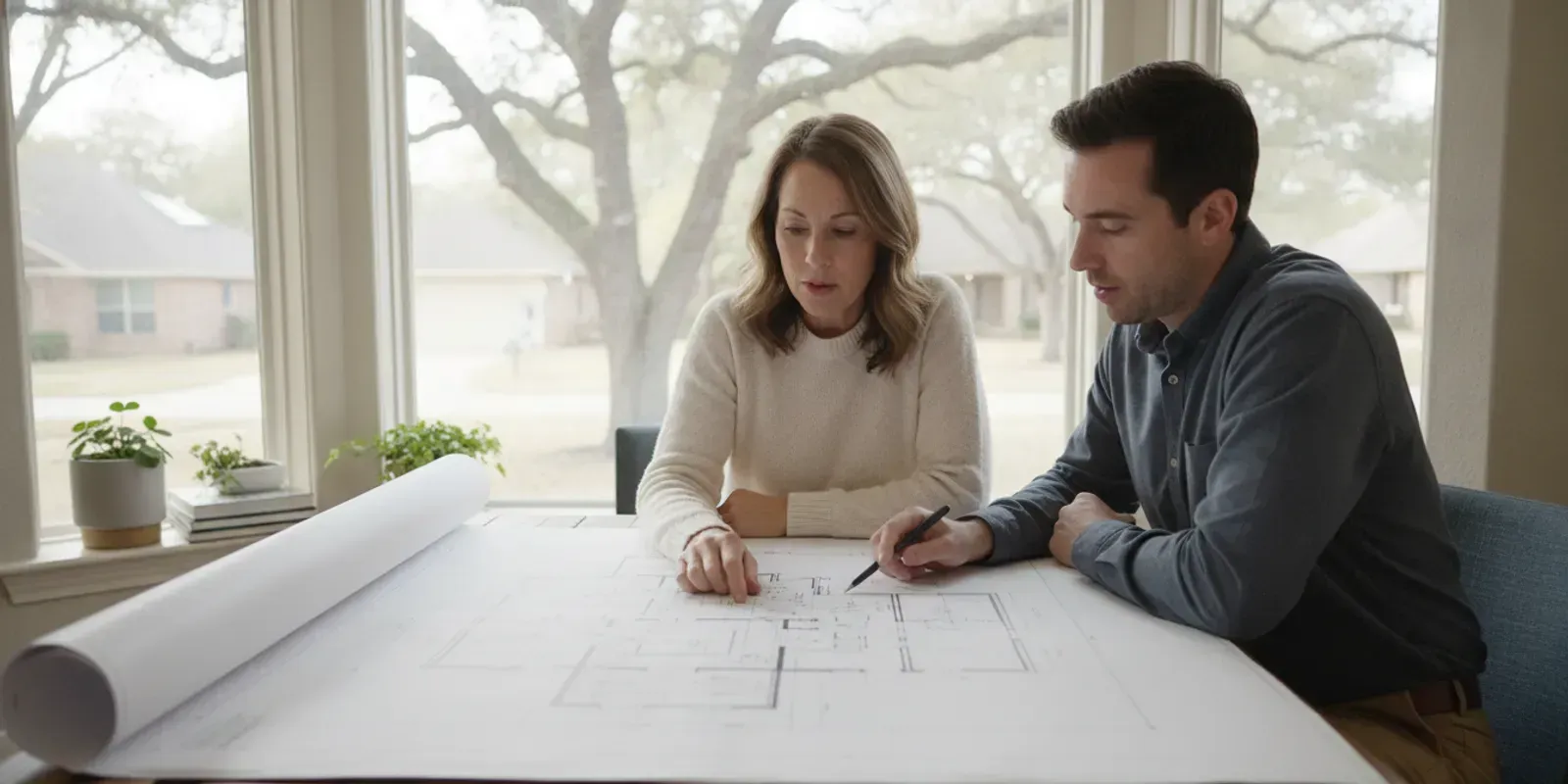
A proposed home cannot be valued accurately from a rough idea such as “a four-bedroom custom house.” The appraiser may need drawings and a description of the improvements, including the home’s size, layout, materials, quality level, and notable features. The lender will say which version of the plans and supporting documents it requires. A conceptual sketch may not be adequate for an assignment that calls for more complete construction information.
Details should match across the materials you provide. If one plan set shows a different finished area, garage, porch, or finish level than the estimate or construction agreement, the reviewer may need clarification. That can slow the process or lead to an appraisal based on an incomplete understanding of the project. Label drafts and revisions so the lender and appraiser can tell which set is current.
The expected completed property
For an appraisal that considers the home after construction, the appraiser estimates the value of the completed property under the assumptions and scope established by the lender. The report is not simply a cost calculation. A project can cost more than nearby homes support, or a feature that is important to you may not add the same amount to market value. The appraiser considers market evidence and the characteristics of the property, not just the owner’s preferences or total spending.
That is why it helps to communicate the complete proposed scope without presenting an unsupported value target as a fact. Give the appraiser and lender accurate project materials through the channel they specify. Do not ask a builder to predict the lender’s final value or treat a cost estimate as a substitute for an appraisal.
Which documents should you gather before the appraisal?
Start by asking the lender for its checklist. Requirements differ by loan program, property, and stage of design, so a general list is a planning aid rather than a substitute for the lender’s instructions. Depending on the assignment, it may ask for some of the following:
- Parcel details, legal description, and information about the current owner of the lot.
- Current architectural plans, with enough dimensions and detail to describe the proposed home.
- Written specifications that identify the planned materials, finishes, systems, and included features.
- A construction agreement, scope of work, and a cost breakdown in the format requested.
- Site information available to you, such as a survey, site plan, utility information, or relevant reports.
- Information about access, easements, restrictions, or other known conditions that may affect the site or project.
- Any revisions that have been made since earlier plans or estimates were prepared.
Not every item will apply, and the lender may request additional materials. Ask whether documents should go directly to the lender, the appraiser, or a lender-selected portal. Keep your own copy of what you sent and note the date and version. Avoid sending conflicting drafts without explaining which one controls.
When you are comparing home layouts and included features, ROSÖ Homes has examples of past homes and a page describing home options. Use examples to discuss scope and design choices, not as proof that a future home will receive the same appraisal value.
How do appraisal value and construction price relate?
They are related to the same project, but they answer different questions. A construction price describes the builder’s price for a stated scope under a contract. An appraisal estimates market value for a lender’s assignment. The appraiser may consider the plans and construction details, but that does not make the appraised value a cost-plus calculation.
ROSÖ Homes’ current approved construction rate is $175 per square foot of Total Area Under Roof (TAUR), with a 2,000-square-foot minimum; design services are included. That pricing detail can help a prospective customer understand the builder’s pricing basis. It does not tell you what a lender will appraise the completed property for, what expenses a specific loan includes, or how much the lender will approve. Ask the lender how it treats land value, construction costs, borrower contributions, and any other project amounts under its program.
Make sure any price comparison uses the same scope and measurement basis. For example, a square-foot figure may not mean the same thing if one party is counting a different area or assuming different site work, finishes, or included features. Request written clarification of what is included in a proposed construction scope. A documented scope makes it easier for you, the lender, and the builder to discuss the same project.
What if the appraisal is lower than expected?
A value below your expectation is a reason to pause and get the lender’s explanation—not a reason to assume the appraiser made an error or to change plans immediately. First, ask the lender what value was used, whether the report is final, and what options its program allows. The lender can explain how its underwriting applies the appraisal and whether any additional review is available.
Then review the report for factual issues. Check whether it describes the correct parcel, the current plans, the intended size and features, and the relevant project details. If something is factually wrong or a document was missing, ask the lender how to submit a correction or additional information. Do not contact the appraiser to pressure them for a desired result; follow the lender’s process for questions and reconsideration requests.
If the value remains below the figure needed for the financing plan, possible next steps depend entirely on the lender, the contract, and your finances. You might ask the lender whether the loan structure can proceed, whether it requires a different borrower contribution, or whether a revised scope is permitted. You may also need advice from your real estate or legal professional about contractual choices. No option is automatic, and a builder cannot promise that a lender will approve a change.
For a revised scope, confirm exactly what changes and how they affect the written construction agreement, plans, and estimate. Do not assume removing a feature will change the appraisal by the same amount as its construction cost. The lender and appraiser determine what information is relevant to their work.
When should you discuss the appraisal with your builder?
Bring the appraisal process into the conversation early enough to coordinate project documents, but keep responsibilities clear. A builder can explain the proposed construction scope and provide agreed project information. The lender decides its loan requirements, selects or engages the appraiser as applicable, reviews the report, and determines whether financing meets its rules. The builder does not originate or underwrite the loan, set its terms, or decide the appraised value.
Useful builder questions include: Which plan set is current? What is included in the written scope? Which features are allowances or selections still to be made? What information can the builder provide to the lender, and through what process? If you are considering a custom home on your own lot, ROSÖ Homes’ lot-building information can help you frame the construction conversation. It cannot replace the lender’s site, appraisal, or loan review.
Ask the lender separate financing questions. Confirm the appraisal type, required documents, acceptable plan stage, how it handles revisions, and what happens if the value is lower than expected. Ask who is responsible for appraisal fees and how timing fits with the lender’s milestones. The lender is the right source for loan-specific answers.
How can you keep the appraisal process organized?
A short document routine can prevent avoidable confusion:
- Choose a point person. Decide who will collect plans, specifications, site information, and lender requests.
- Use a single current plan set. Mark its date or revision and retire outdated versions from the packet.
- Match the scope to the estimate. Flag differences, exclusions, allowances, or items not yet selected rather than leaving the reviewer to guess.
- Send documents as the lender directs. Keep a record of what was delivered, when it was sent, and any follow-up questions.
- Report changes promptly. If plans or specifications change, ask the lender whether the appraiser or underwriter needs updated information.
- Keep decisions in writing. Record lender instructions and any approved project changes so everyone is working from the same information.
Organization does not ensure a particular value or approval. It does make it easier to identify what information the lender has and resolve questions about the project’s current scope.
What should you ask the lender before proceeding?
Before relying on an appraisal to plan a custom build, ask the lender direct, project-specific questions. You may find it useful to write down the answers and who supplied them:
- Is the appraisal based on the lot as it stands, the completed home, or another defined scenario?
- Which plan, specification, contract, and site documents are required, and by what date?
- Does the lender require a particular appraisal format or an appraiser from its own panel?
- What assumptions should I understand in the report, including treatment of incomplete selections or site work?
- How does this loan program use the appraised value when determining the potential loan amount?
- What is the procedure if I identify a factual error or have relevant additional information?
- What changes to the plans or construction scope require a new review or updated appraisal?
- What are the next financing decisions if the appraised value does not support my expected plan?
Do not rely on a general online explanation for your particular loan terms. Appraisal timing, acceptable documentation, underwriting, and available options are controlled by the lender and the loan documents. If a legal or tax question arises, consult the appropriate professional.
How can you prepare for a lender’s appraisal review?
Preparation is mostly about giving the lender a consistent account of the property and proposed work. Before the appraisal is ordered, ask whether the lender wants a complete construction agreement or whether a draft scope is acceptable at that point. Find out whether the plans need to be signed or at a particular design stage. Ask if the lender wants a separate description of site work, utility work, or items that remain undecided. These are lender-specific process questions, so get the instructions directly rather than relying on another borrower’s experience.
Next, compare the written scope with your plans. Make a list of differences that could create confusion, such as a feature shown on a drawing but not included in the price, or a selection that has not been finalized. You do not need to resolve every design choice before asking the lender for its checklist, but it helps to identify what is known and what remains open. If the lender requires updated documents after a selection is made, record who will send them and when.
Keep site facts separate from assumptions. If you have a survey or site information, share it only as the lender directs and explain its date or purpose. If you do not know whether access, utility availability, restrictions, or another site condition has been confirmed, say so and ask which professional should address it. Do not present a preliminary conversation as a completed review. The appraiser can only analyze information available for the assignment, and the lender decides what else is needed for its approval.
Finally, make a simple issue log. Note the lender’s outstanding requests, the person responsible, the document version, and the date it was delivered. When a revised plan or price scope is issued, retain the older copy for your records but label it clearly as superseded. This makes it easier to answer questions about which project was appraised and reduces the risk of different parties discussing different versions of the home. Better organization cannot control the outcome, but it can make the process more transparent for you.
How should you think about comparable properties?
Market comparisons are one part of how an appraiser supports a value opinion. The appraiser looks for relevant evidence about properties that may help indicate how buyers value similar real estate. A custom home may not have a perfect match nearby. Location, lot characteristics, size, design, condition, features, and the market context can all affect whether another property is a useful point of comparison. The appraiser determines which evidence is relevant to the assignment.
This is different from collecting a few online listing prices and assuming they establish your future home’s value. Asking prices are not necessarily completed sale prices, and a listing may not be comparable in its site, condition, configuration, or timing. Even a nearby home with a similar bedroom count can differ in meaningful ways. The appraiser evaluates available market information and explains the analysis in the report; buyers should not treat an informal comparison as a substitute.
If you know of a recent sale that seems especially relevant, ask the lender how to provide that information. Share accurate details and let the lender determine whether it can be considered. Avoid telling the appraiser which value to reach or selecting only examples that support a preferred number. The goal is to make pertinent facts available, not to direct the conclusion.
What does a completed-home estimate not tell you?
An appraisal is not a guarantee of resale proceeds, a prediction of future market conditions, a home inspection, or a quality assurance report. It does not promise that construction will finish on a certain date, establish whether every proposed feature is constructible, or replace review of the contract. These are separate questions with different decision-makers and documents.
Likewise, an appraised value does not by itself establish that a project is affordable for a particular household. Your budget may include costs outside the appraiser’s value opinion, and financing depends on more than the property valuation. Discuss the full payment and cash requirements with the lender, and ask the builder what its written scope includes. If you want to see the range of home styles and spaces ROSÖ Homes has shared, visit its home photo gallery; images can inform design conversations but do not indicate future market value.
A simple way to keep the roles straight is to ask three different questions. What does the construction agreement require and include? Ask the builder. What value and documentation does the appraisal support? Ask the lender about its report and review process. What amount and terms can the lender approve for you? Ask the lender directly. Keeping these questions separate helps prevent a contractor estimate, an online estimate, or a design preference from being mistaken for a financing decision.
Frequently asked questions
Does the appraisal set the price of my custom home?
No. The construction price comes from the written agreement and its scope. An appraisal is an independent value opinion for the lender’s use. They may be informed by some of the same project details, but one does not automatically determine the other.
Can I order my own appraisal instead of the lender’s appraisal?
Ask the lender. It decides what appraisal is acceptable for its loan and whether an outside report can be considered. Do not assume a privately ordered appraisal will satisfy the lender’s requirements or replace its process.
Does owning the lot guarantee enough value for a construction loan?
No. The lender reviews the parcel, proposed project, borrower, and other matters under its loan program. Ownership of land alone does not guarantee a specific appraisal, loan amount, or approval.
Will a more expensive finish raise the appraisal by the same amount?
Not necessarily. Construction cost and market value are different measures. The appraiser evaluates the property under the assignment and considers relevant market evidence. Ask the lender how it wants finish selections and specifications documented.
Can ROSÖ Homes tell me what loan amount I will qualify for?
No. ROSÖ Homes is the builder, not the lender. The lender determines qualification, loan terms, appraisal requirements, and the amount it may approve. A builder can discuss the agreed construction scope and pricing, but cannot promise a financing outcome.
Contact ROSÖ Homes to discuss your project
A clear appraisal plan starts with current project documents and direct answers from your lender about its process. Keep the financing decision with the lender, and coordinate the construction scope with your builder before relying on any assumed value.