
Lot Loan Then Construction Loan Texas: Builder Conversation Guide
Learn how a lot loan may fit before a custom-home construction loan, what to confirm with your lender, and how to coordinate land and building plans.

Can you use a lot loan before getting a custom-home construction loan in Texas? Often, buyers consider these as two separate financing stages: first financing the land, then arranging funds to build. The exact structure depends on the lender, the property, your finances, and the proposed construction plan. If you are comparing a lot loan then construction loan in Texas, do not assume the second lender will automatically pay off, replace, or continue the first loan.
Discuss your home-building plans
What Is the Difference Between a Lot Loan and a Construction Loan?
A lot loan helps finance land. A construction loan is intended to fund building work under a lender’s approved terms. They address different phases, and each lender defines its own eligibility, collateral, payment, and documentation requirements.
Some buyers purchase land well before they are ready to build. Others already own a lot and are preparing plans, budgets, and a construction agreement. In either case, the important question is not simply whether the two loan types exist. It is whether the land financing and later construction financing can be coordinated on terms that work for your situation.
ROSÖ Homes builds custom homes, but it is not a lender. Your lender—not the builder—sets loan terms, rates, draw procedures, and interest calculations. A general guide to how construction loans work can introduce the topic; your own lender must explain how its product applies to your property.
A construction loan is usually tied to a defined project. The lender may review the planned home, budget, appraisal, builder information, site, and expected schedule together. A lot loan is evaluated before the completed home exists. Treating the first approval as if it already approves the second stage can create a gap in your plan.
Can You Buy the Lot First and Build Later?
It may be possible to buy a lot using one financing arrangement and seek construction financing later. Approval for a lot loan is not a promise that you will qualify for a construction loan in the future. Your circumstances may change, the property may have conditions that affect a future project, and a later lender will review its own requirements.
Before committing, ask how the lot loan handles a future build. Some lenders may have specific rules about the land, existing liens, equity, payoff, or timing of a construction application. Do not assume you can transfer a loan, keep it in place, or roll its balance into a later loan unless the lender confirms that in writing.
Start with the lender that would provide the land financing. Explain that you expect to build a custom home later, and ask what documents or conditions could matter when you apply for construction financing. If you may use a different lender for the build, ask that lender how it typically evaluates a lot that already has debt attached.
Also consider why the build is being delayed. You may be waiting for a design, selling another home, completing due diligence, or choosing the right time to begin. The reason and expected length of the delay can affect the questions you need to ask. A plan that works for a short design period may not work the same way if the lot will be held for several years.
For example, suppose you find a lot now but have not selected a home plan or builder. The immediate decision is whether the land purchase makes sense on its own, given the loan payments and property costs during the holding period. Separately, ask what the future lender will need to assess the home and land. Keep those as two decisions rather than treating land-loan approval as preliminary construction approval.
In another situation, you may have a nearly complete home concept and expect to build soon. Early coordination with a construction lender may be more useful. You can ask what project details, builder information, and payoff documentation it expects before you close on the lot. That answer may affect whether separate financing is workable, whether one lender should review both stages, or whether you should wait to buy until more pieces are clear.
How Do the Two Financing Paths Compare?
This comparison is a planning aid, not a description of every lender’s product. Ask each institution for actual terms and process before relying on an assumed sequence. Put written answers beside your purchase timeline and project assumptions. This makes it easier to spot unanswered questions, such as an unclear payoff process or a build-start expectation that conflicts with your likely schedule.
What Should You Ask Before Taking a Lot Loan?
Get clear answers while you can still compare properties and financing options. Ask the lender to explain the structure in plain language, including what happens if your build starts earlier or later than expected.
- What down payment, reserves, or other borrower qualifications apply?
- How does the lender determine whether the lot is acceptable collateral?
- Are there restrictions on access, utilities, zoning, or intended use?
- What are the payment obligations while you own the land?
- Can the loan remain in place during construction, or must it be paid off or refinanced?
- What payoff information would a later construction lender need?
- Are there timing conditions, fees, or prepayment terms?
- What happens if construction financing is delayed or not approved?
- Will the lender require construction progress by a particular date?
- How would a change in the planned home or site affect review?
Ask for responses in writing when they affect your decision. A verbal assumption about future refinancing or payoff is not a substitute for loan documents and lender guidance.
Request a complete list of costs connected with owning the lot. Depending on the property and transaction, you may need to plan for closing costs, surveys, inspections, taxes, insurance, utilities, access work, or site investigation. Do not assume a later construction budget automatically covers costs incurred before construction begins.
Build a holding-period worksheet. List the expected land payment and known ownership expenses by month, then mark which costs are estimates and which are confirmed. Add one-time investigation and transaction expenses. This is not a lender qualification review; it helps you see whether the purchase still fits if the build date moves.
Ask what changes if the lot remains vacant longer than expected. Clarify whether the loan has a term or milestones that matter, how payments are handled, and whether a future sale or payoff carries conditions. The safer planning assumption is that land financing remains your responsibility until the relevant documents state otherwise.
What Should You Confirm With a Construction Lender?
Once you have a likely lot and a clearer idea of the home, speak with a potential construction lender before treating the project budget as settled. Requirements differ, so ask what it needs to review the property and proposed build.
- Does the lender finance construction on land that already has a lot loan?
- How will the existing balance be treated in the proposed transaction?
- Does it require a particular appraisal, plan set, budget, builder agreement, or insurance documentation?
- How does it release funds, and what inspections or approvals are involved?
- What costs should be budgeted outside the construction loan?
- What could change the amount available or expected timing?
- How are payments, interest, and any conversion to longer-term financing handled?
- What happens if final plans differ from the early concept?
- Which title details or payoff statements are needed before closing?
Only the lender can explain its underwriting decision, interest calculations, and funding process. A builder can clarify proposed scope and construction documents, but cannot promise loan approval or set financing terms.
Ask the lender to distinguish between an estimate and a condition of approval. A preliminary conversation may help you understand general fit, but it is not a completed underwriting decision. Confirm which assumptions must be verified, when an appraisal will occur, and how long documents remain current. This can help you avoid designing around a budget that later changes.
Organize the conversation around three groups of information. First, provide what you know about the land: purchase details, ownership status, existing financing, and available property records. Second, describe the proposed home accurately without presenting an unfinished concept as final. Third, request the lender’s list of outstanding items and the order in which it expects them. A written checklist separates estimates from formally reviewed items.
If the lender mentions a draw process, ask what event permits each release, who requests it, and whether an inspection must happen first. Ask how timing is affected if a required item is not ready. Do not assume one lender’s procedure applies everywhere; understand the process attached to the product you are considering and coordinate it with the construction schedule.
How Should You Coordinate Land and Home Planning?
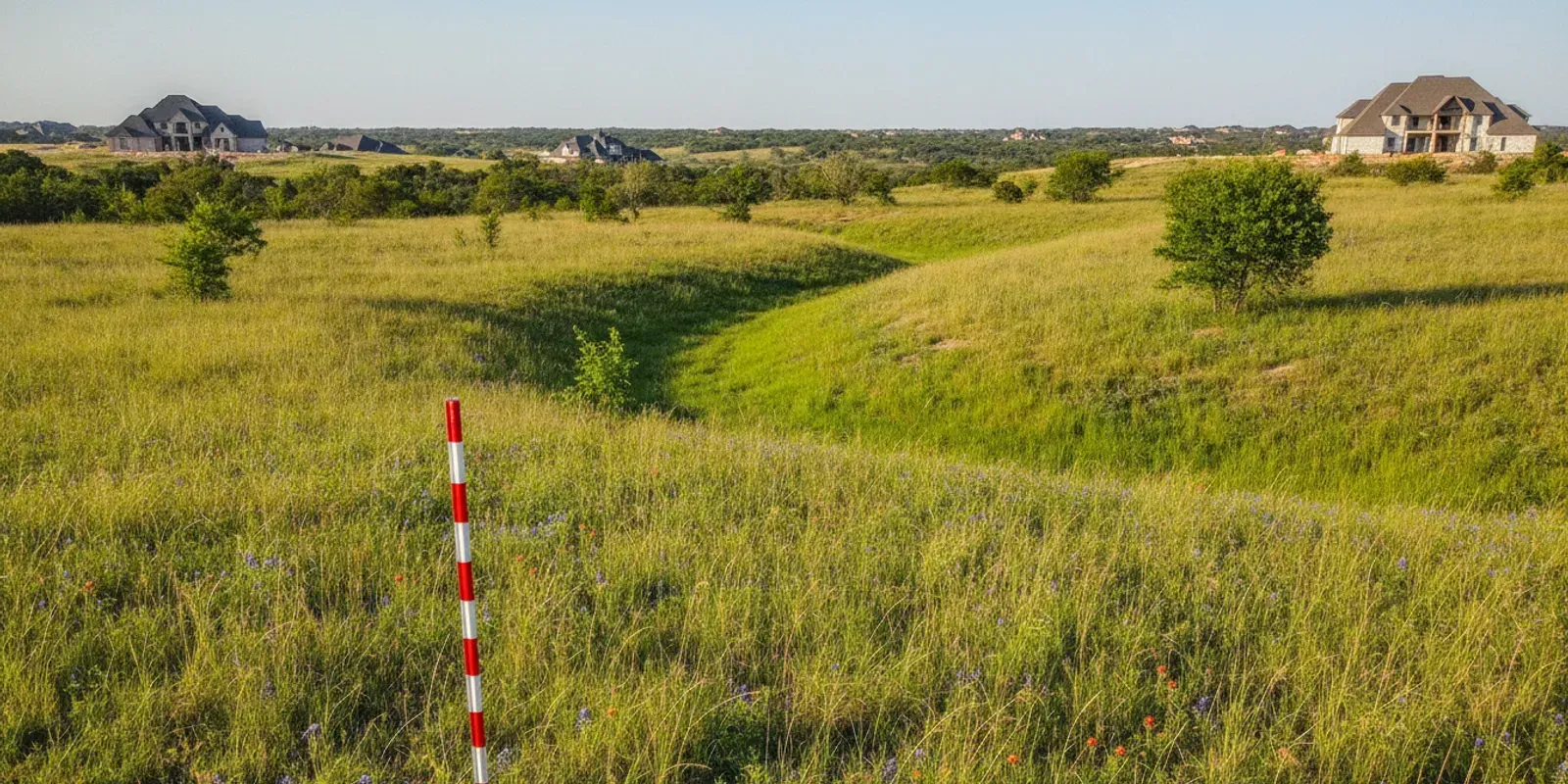
Keep the land decision and home plan connected. A lot may look suitable at first glance but still require investigation of access, utilities, drainage, restrictions, or other site conditions. Those issues can affect what you can build and what information a lender or design team needs.
- Describe the intended project. Tell lenders that you plan a custom home and share what is known about the lot and timing.
- Review the property. Identify questions about access, services, restrictions, and site conditions before making assumptions.
- Develop a realistic scope. Work toward a clear home program and construction budget. Confirm how the lender wants those materials prepared.
- Compare financing sequences. Ask whether one lender can address both stages or whether separate lenders and a payoff plan are more appropriate.
- Check timing and contingencies. Consider what happens if permits, plans, financing, or site investigation take longer than expected.
- Keep decisions documented. Save lender explanations, property information, and project assumptions in one place.
Before finalizing a home design, match the plan to the lot rather than treating the land as a blank surface. Setbacks, easements, grades, driveway access, drainage, utilities, and neighborhood or deed restrictions can influence placement and scope. A builder can discuss construction implications, while the appropriate lender, surveyor, engineer, utility provider, or local authority should answer questions within its responsibility.
If you are building on land you own, review ROSÖ Homes’ build-on-your-lot information and available home options as you consider project scope. You can also look through the home photo gallery for ideas. These pages can frame a builder conversation; they do not replace lender approval or property due diligence.
Use a shared project record containing the lot description, available property records, lender questions and written responses, early plans, and a running list of open decisions. Note who must answer each question. A lender should address loan treatment, a local authority should explain approval procedures, and a builder can discuss how a site condition might affect scope. Clear responsibility prevents construction input from being treated as a financing commitment.
Before choosing a target start date, work backward from unresolved items. Identify what must happen before you can set the house plan, finalize the budget, complete lender review, and prepare the site. Some tasks can proceed together, while others depend on earlier decisions. Ask the relevant professionals about their sequence rather than assuming design completion or loan approval will occur on a particular date.
What Can Make a Lot Loan Then Construction Loan Plan Complicated?
Buying before understanding site constraints. A low purchase price does not establish that a lot is ready for the home you envision. Verify property details and ask relevant professionals and authorities about conditions that could affect construction.
Assuming future approval is guaranteed. A current land loan does not lock in a future construction loan. Eligibility and terms depend on the lender’s review when you apply.
Underestimating existing debt. A construction lender may need to account for the land loan. Ask how it will be handled before relying on available equity or a particular payoff plan.
Mixing up responsibilities. The builder can discuss scope, plans, and construction details. The lender sets financing terms and decides whether the loan is approved.
Planning around an unconfirmed date. Loan timing, site investigation, design, and approvals can affect readiness. Avoid commitments based on an assumed schedule until the relevant parties confirm requirements.
Using an early budget as a final budget. A preliminary concept may not account for every site condition, allowance, fee, or requested feature. Keep a written list of assumptions and update it as the plan becomes specific.
Ignoring the lender transition. If the lenders differ, the handoff may require payoff figures, title coordination, updated documents, or a clearly timed closing. Ask both lenders what they need from the other.
Leaving too little room for a changed plan. You may revise home size, layout, materials, or placement after learning more about the lot. Ask what changes require a new review or revised documents.
Relying on one person for every answer. A builder, lender, and property professional each sees a different part of the project. Send each question to the party responsible for that decision, then bring the answers into one plan.
What Is the Difference Between a Lot Loan and Building on Land You Already Own?
When you already own the land without a lot loan, the construction lender may evaluate the property as part of the overall project. That does not mean the land guarantees approval or that its full value will be treated in a particular way. The lender decides how the land, proposed home, borrower qualifications, and project documents fit its underwriting process.
When the lot has an outstanding loan, the construction lender may need to address that balance and existing lien. The practical outcome varies by lender and loan structure. Identify the lot’s ownership and debt status early, then provide accurate information rather than waiting until construction closing is near.
For the builder conversation, the distinction is straightforward: ROSÖ Homes can discuss the home you want to build, proposed scope, and process for building on your lot. The lender must determine how land ownership or lot debt fits the financing plan.
An owner who has paid off the land still has questions about property evaluation, the construction budget, and borrower finances. A buyer with a lot loan has those questions plus lender coordination and payoff details. Neither situation can be judged from the ownership label alone. Bring the complete picture to the lender, including existing debt and intended timeline.
How Do You Decide Whether to Finance the Lot First?
A lot-first approach may be worth exploring if you have found a property you want to secure but are not ready to build immediately. It is more important to understand the full ownership and financing plan than to move quickly based on a general rule.
Before proceeding, make sure you can answer these questions:
- Can I meet the land lender’s terms without depending on future construction approval?
- Have I asked what conditions could affect building on this property?
- Have I spoken with a construction lender about existing or planned lot debt?
- Do I understand project scope and costs not included in the loan?
- Do I have a contingency if the build takes longer to prepare?
- Do I know which documents must be updated before construction financing can close?
When comparing a lot loan then construction loan in Texas, the safest next step is a direct conversation with the lender or lenders involved. Ask them to evaluate your specific property, intended project, and timing rather than relying on a generic financing sequence.
A practical decision sequence is useful. First, decide whether you would still want and be able to hold the lot if construction financing were delayed or did not proceed. Next, confirm the lot lender’s requirements, payments, and payoff conditions. Then ask a construction lender how the land and debt on it would be reviewed. Finally, compare confirmed requirements with site, design, and timing assumptions. If a crucial answer remains unknown, treat it as an open risk.
For a two-lender plan, ask both lenders to identify what they need from the other and when. The lot lender may need payoff instructions, while the construction lender may need title or debt information before review is complete. Confirm sequence and turnaround with the institutions themselves. Do not wait until closing is near to discover that a document or payoff figure has not been requested.
If you are exploring a custom home on your own lot in the DFW area, you can contact ROSÖ Homes to discuss the construction side of your plans. Bring your property details and the questions you are preparing for your lender.
Frequently Asked Questions
Does a lot loan automatically become a construction loan?
No. They are separate products unless a specific lender offers and approves a structure that combines or converts them. Ask the lender to describe the exact product, conditions, and timing in writing.
Can I use a different lender for construction?
You may be able to, but the construction lender must explain how it will treat the existing loan, lien, property value, and proposed payoff or refinancing plan. The lot lender may also have requirements that affect the transition.
Should I choose my builder before applying?
Ask the construction lender what builder information it requires and when. A builder can help prepare project information, but the lender determines approval and documentation standards.
What if I am not ready to build for several years?
Discuss the holding period with the lot lender and consider how payments, property conditions, plans, and finances could change. Do not base the decision on assumed future approval.
Can ROSÖ Homes tell me which loan to choose?
ROSÖ Homes can discuss the construction side of a custom-home plan, but it does not originate or underwrite loans. Your lender must explain rates, interest, draws, collateral, approval, and applicable terms.
Learn about building on your lot
A clear plan for the land, financing, and intended home can help you ask better questions before you commit to either stage.
| Planning point | Lot loan first | Construction financing |
|---|---|---|
| Main purpose | Purchase or finance the land | Fund approved construction work |
| When it may fit | You want to secure a lot before plans and build timing are settled | You are preparing to build and can meet project requirements |
| Key questions | What property, equity, payment, and future-build conditions apply? | What plans, budget, builder information, inspections, and funding process apply? |
| Coordination issue | Existing debt may need to be addressed later | The lender must explain treatment of land debt and collateral |
| Who confirms terms? | The lot lender | The construction lender |
| What can change | Property value, payments, timing, and land-loan terms | Budget, draws, inspections, interest, and conversion terms |