
Builder Contract Financing Custom Home DFW: New Construction Financing Options Guide
Learn what DFW buyers should confirm about new construction financing options, lender draws, cash needs, contract terms, and responsibilities before signing.

New construction financing options can shape how you plan a custom home long before the first day of work. If you own a lot or are choosing one in the Dallas-Fort Worth area, do not assume the builder supplies the loan or sets its terms. Your lender determines loan terms, rates, draw rules, and interest calculations. Before signing, confirm how the financing works, what the contract expects from you, and what happens if timing or costs change.
Discuss your home-building plans
What financing decision should you make before signing?
Start by identifying the financing route you intend to use and asking a lender to evaluate it against the actual project. A construction loan may fund work in stages, with funds released as construction reaches agreed milestones. Some buyers may use a construction-to-permanent loan that transitions to a mortgage, while others may arrange construction financing separately and obtain permanent financing later. Product names and terms vary by lender, so ask the lender to explain the exact structure available to you.
Some buyers fund a project with cash or other arrangements. The important point is not to assume one route fits every buyer. Confirm the loan product, approval requirements, cash contribution, and timing directly with your lender. ROSÖ Homes is the builder, not the lender; it does not originate, underwrite, or set loan terms, rates, or interest calculations.
Keep the builder and lender roles distinct. The builder can explain the proposed scope, pricing, construction sequence, and information needed for project coordination. The lender explains eligibility, loan documents, interest, fees, draw approval, and funding rules. Make sure both parties understand the same project assumptions, but rely on the lender for financing decisions.
Which loan details need a clear answer?
Before you sign, ask the lender for written explanations of the items below. Do not rely on a general estimate or an informal description if the actual loan documents say something different. A useful way to organize the conversation is to create a one-page financing summary with the lender's product name, approved amount, required cash, expected dates, and unresolved conditions.
- Loan structure: Is it a construction-only loan, a construction-to-permanent loan, or another arrangement? What event changes the loan or requires a new application?
- Approval status: Is the current decision a prequalification, preapproval, conditional approval, or final approval? Which documents or conditions remain outstanding?
- Cash required: What down payment, closing funds, reserves, or other cash contributions are required, and when are they due?
- Interest calculation: Is interest based on the amount drawn, the full commitment, or another method? What rate applies, and can it change?
- Fees: Which lender, appraisal, inspection, title, or other charges apply? When are they collected, and which costs are not included in the construction contract?
- Draw process: What documents, inspections, approvals, and processing time does each draw require?
- Loan term and completion: What is the maturity date? What happens if construction or final approval extends beyond the expected date?
- Conversion or payoff: If the loan converts or is replaced, what conditions, costs, and deadlines apply?
- Changes after approval: Which changes require lender review, a revised appraisal, additional cash, or a new approval?
Ask for an example using your lender's assumptions. For instance, request a written illustration of how a sample draw affects the balance and interest under that lender's method. Treat it as an illustration, not a promise about your final cost; actual timing, amounts, rates, and lender rules govern.
How should you compare the financing plan with the contract?
The lender and builder may use different words for similar milestones. One document may refer to foundation, framing, mechanical work, and completion. Another may use percentages, invoices, or inspection stages. Before signing, place the documents side by side and compare the project total, owner contribution, payment dates, draw milestones, and expected completion date.
Begin with the total project budget. Confirm whether it includes the lot, construction, design, site work, permits, utility work, lender fees, closing costs, reserves, and temporary housing. Then identify which figures are fixed, which are allowances, and which remain estimates. A lender's approved loan amount is not automatically the same as the builder's contract price, and a builder's contract price is not automatically the same as the cash you need to complete the project.
Next, compare timing. If the builder expects a deposit or payment at a point the lender does not treat as a draw milestone, ask how that gap will be covered. If the lender requires an inspection before releasing funds, ask how the inspection timing relates to the builder's payment terms. Resolve differences before work starts rather than waiting for an invoice or delayed draw to expose them.
Finally, identify the person responsible for each answer. The lender should answer loan eligibility, rates, interest, reserves, inspections, and funding conditions. The builder should answer scope, specifications, selections, construction sequence, change orders, and contract payment terms. An attorney can explain legal language, and a tax or financial professional can advise on questions within that professional's scope.
How should you understand construction draws?
A draw is a request to release loan funds under the lender's process. The contract, lender agreement, and project plan may describe different steps, so line them up before work begins. Ask who submits a draw request, what evidence is needed, who inspects the work, and how long approval and payment typically take under the lender's stated procedures.
Clarify whether the lender pays the builder directly or whether funds pass through an account you manage. Ask how a disputed inspection, missing document, or delayed approval is handled. Find out whether the builder must wait for the draw before proceeding with a particular phase, and what the contract says about payment timing. Never assume that a builder's invoice date and a lender's release date are the same.
Request the planned draw milestones in writing and compare them with the contract's payment terms. If the lender's format differs from the builder's schedule, raise the mismatch before signing. A clear process helps each party know what information is needed and when decisions must be made.
What does a draw checklist look like?
A practical checklist can reduce confusion even though each lender's process is different. Confirm the requested amount, completed work, supporting invoices or documentation, inspection requirement, approval contact, expected release date, and destination of the funds. Record the date the request was submitted and the date it was approved. If a request is incomplete, ask what is missing and whether the project schedule or contract payment deadline is affected.
Also ask what happens when the completed work does not match the approved plans or budget. A change may need written approval from the builder, lender review, updated documentation, or additional funds from you. The right response depends on the documents and lender rules. The goal is to know the procedure before an urgent decision is needed.
What cash needs can fall outside the construction price?
A construction contract price and the amount you need available overall are not automatically the same. Your lender may require funds at closing or reserves, while your project may also involve costs that are outside the builder's defined scope. Review the contract inclusions and exclusions and ask the lender which expenses must be paid from your funds rather than loan proceeds.
Depending on the property and agreement, items to discuss may include land purchase or existing lot debt, surveys, lender and closing charges, utility connections, site work, permits, design changes, selections beyond an allowance, and temporary housing. Do not assume any particular item is included or excluded without checking the project documents. Ask for an itemized explanation of what the builder's fixed price covers and how changes are approved and priced.
ROSÖ Homes' current approved construction rate is $175 per square foot of Total Area Under Roof (TAUR), with a 2,000-square-foot minimum; design services are included. Confirm the scope, current pricing, and project-specific details directly before relying on any figure. A per-square-foot rate is not a substitute for reviewing the full project scope and your lender's underwriting assumptions.
How can you separate included costs from project costs?
Make three lists. The first is the builder's written scope. The second is the lender's eligible project budget. The third is your personal cash plan. Put every known item in one of those lists, then mark items that appear in more than one list or in none. For example, a utility connection may be part of the site plan, a lender budget item, or an owner-paid expense depending on the property and documents. The list does not decide the answer; it shows where a question remains.
Repeat this exercise when you choose finishes or revise the plan. An allowance is not necessarily a final selection price. If a selected item costs more than its allowance, ask how the difference is calculated, documented, and paid. If a selection costs less, ask how the contract treats the difference. Keep approved changes with the financing file so the lender can review material revisions when required.
What should the construction contract clarify?
Financing readiness is only one part of signing responsibly. Read the contract and its exhibits carefully, and ask for clarification on terms you do not understand. Focus on how the agreement describes the work, payments, decisions, and changes.
- Scope and specifications: What work, materials, and design services are included? Which selections or site conditions could change the amount?
- Price and payment: Is the price fixed for the defined scope? What events can change it, how are changes documented, and when are payments due?
- Allowances and selections: Are any items carried as allowances? How are selections made, and how would a choice above an allowance affect the price?
- Schedule language: What starts the construction clock, what milestones are described, and how does the agreement address delays or extensions?
- Owner responsibilities: What approvals, selections, information, or access must you provide, and by when?
- Change orders: Who approves a change, what must be recorded, and when must any added cost be paid?
- Completion and warranty: How does the agreement define completion, walkthroughs, and warranty coverage?
- Financing conditions: Does the agreement address loan approval, funding, contingencies, or deadlines connected to financing? If so, what precisely do those provisions require?
Compare the contract with the lender's budget and draw assumptions. If the documents use different project totals, dates, or payment milestones, ask the relevant party to reconcile them in writing. For legal interpretation, consult a qualified attorney; for loan advice, consult your lender.
How do lot ownership and site conditions affect financing?
If you already own land, ask the lender how the lot's value and any debt secured by it are treated in the loan calculation. Confirm what records or valuation the lender needs and whether the land must meet specific requirements. Do not assume the lot automatically counts as a particular amount of equity.
If you are still selecting a lot, ask the lender whether financing the land and construction together is available under the product you are considering. Separately investigate whether the lot can support the intended home and what site work or utility connections may be needed. These details can affect the total project budget, but the lender determines how they fit its underwriting and funding rules.
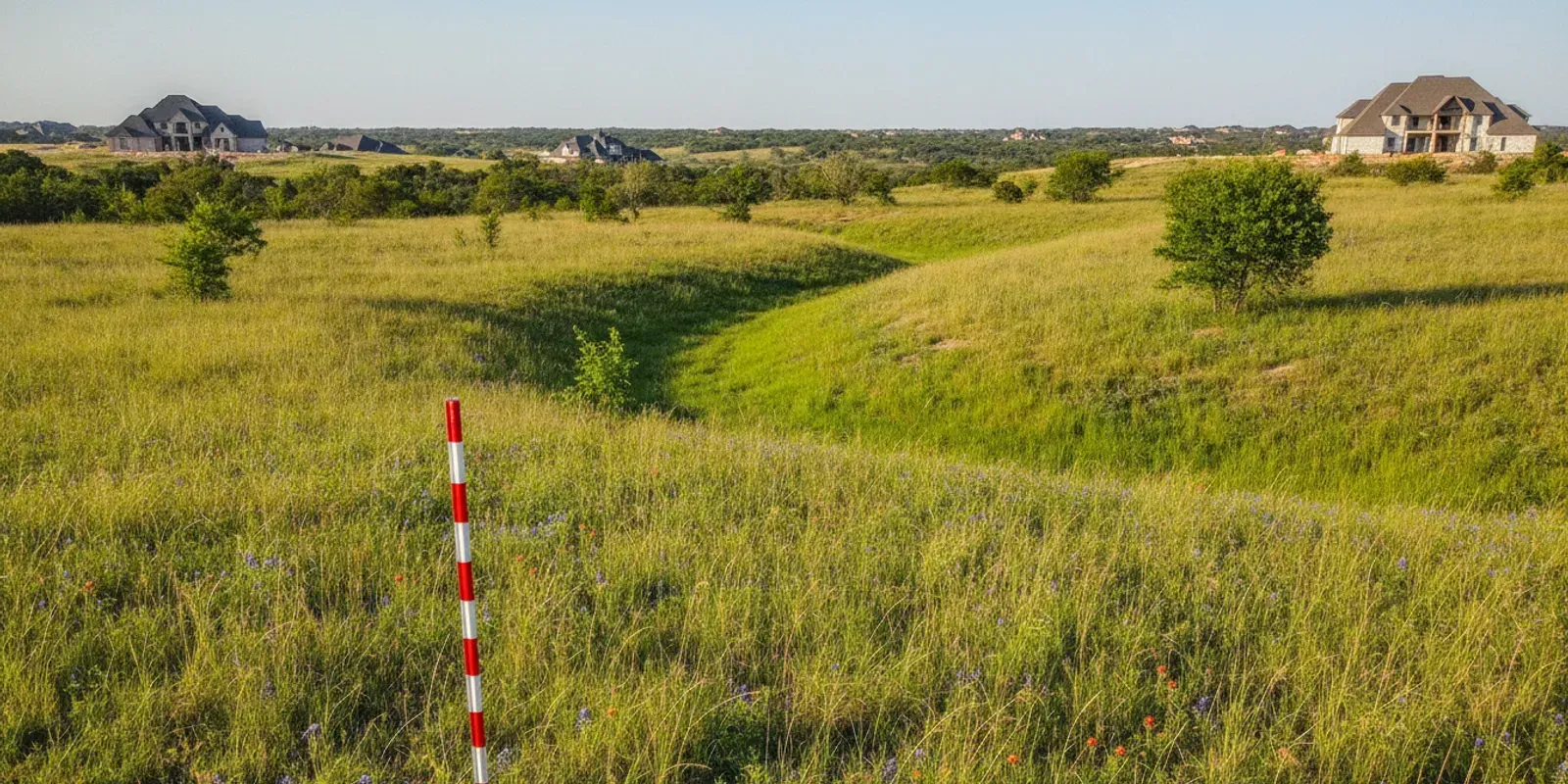
Site questions deserve early attention because they can affect both scope and timing. Ask who is responsible for confirming access, utilities, drainage, easements, surveys, permitting, and other property-specific requirements. The answer may vary by lot. Do not treat a home plan or an example from another property as proof that your site has the same conditions.
For a home on your own lot, review ROSÖ Homes' build-on-your-lot information and discuss the property and project scope with the builder. You can also look at examples of completed homes to prepare questions about design and scope. Examples do not establish what your lot requires or what a lender will approve.
How should you plan for selections and change orders?
Financing conversations often focus on the initial contract while overlooking decisions made after signing. A change order can affect the contract price, loan budget, cash contribution, draw documentation, appraisal, or completion date. Ask the builder how changes are requested, priced, approved, and scheduled. Ask the lender which changes must be reported or reviewed.
Use a simple change record with the original scope, requested revision, reason, price impact, schedule impact, approval date, and responsible payer. Do not rely on a text message or verbal statement as the complete record. The signed contract controls, so follow its process for authorizing work and confirming added cost.
Consider three common examples. If you upgrade a finish above an allowance, the contract may require you to pay the difference. If you move a wall, the change may affect several trades and the schedule. If a site condition requires additional work, the contract may describe a specific notice and pricing process. These examples do not determine your result, but they show why financing and scope should be reviewed together.
How can you coordinate the lender and builder?
With your permission, arrange a conversation that includes the lender and builder when project-specific details need to be aligned. Keep responsibility for loan decisions with the lender and contract decisions with the builder. Share only the documents each party needs, and keep a record of decisions and revisions.
- Ask the lender for its checklist. Request the loan requirements, expected documents, appraisal or inspection steps, draw instructions, and timing assumptions.
- Ask the builder for the project package. Request the contract, scope, specifications, pricing details, anticipated schedule language, and payment milestones.
- Build a comparison sheet. List the total project amount, owner cash, draw stages, payment dates, approval conditions, and completion assumptions.
- Compare the documents. Check that the project amount, owner contribution, payment timing, and milestone assumptions do not conflict.
- Resolve open questions. Ask each party to explain items within its role. Get material clarifications in writing before signing or committing funds.
- Set a change-notification rule. Decide when the builder or you will notify the lender about scope, price, schedule, or site changes.
- Keep a change record. Update the lender if project scope or price changes in a way that could affect loan approval or draws, and follow the contract's change process.
For background on the builder's approach, review the ROSÖ Homes website and its company information. Use those materials to prepare questions, not as substitutes for your lender's terms or the signed contract.
What can go wrong if financing is left until after signing?
Waiting can expose a mismatch between the project and the lender's requirements. The lender may need additional documents, a revised budget, inspections, or more time than you expected. A change in scope could also require a new review. Meanwhile, the contract may impose deadlines or obligations that continue to apply.
Other avoidable surprises include unclear responsibility for costs outside the contract, confusion about when a draw will be available, or a mistaken assumption about who pays interest. These are not predictions that a problem will occur; they are reasons to ask specific questions early and understand the documents you sign.
If approval is not complete, ask the lender what remains outstanding and how that affects your planned start. Ask the builder how the contract handles timing and any financing-related contingencies. Do not assume a verbal statement changes written terms.
What if the lender's approved amount is lower than the project budget?
Pause and ask the lender to explain the difference. The answer may involve the requested loan amount, property valuation, underwriting conditions, project costs, or required owner contribution. Ask what would need to change and whether a revised scope, additional cash, or another financing arrangement is being considered. Do not treat an informal estimate as final approval.
What if the project takes longer than expected?
Ask the lender about maturity, extension, interest, and additional fees, and ask the builder how the contract addresses delay and schedule changes. The 120-day construction timeline is a stated ROSÖ Homes guarantee from groundbreaking, but project-specific documents and circumstances still matter. Confirm the applicable terms in writing rather than combining that guarantee with an assumed loan deadline.
What questions should you take to the lender and builder?
Use separate questions for each professional so answers come from the person responsible. Bring the proposed contract, scope, budget, and lot information to the conversation when appropriate.
Questions for your lender
- Which loan structure are you offering, and what must happen before funds can be drawn?
- Is my current status a prequalification, preapproval, conditional approval, or final approval?
- What cash do I need at closing and during construction, including reserves?
- How is interest calculated, when is it charged, and what could change the amount?
- What inspection and documentation steps apply to each draw, and who coordinates them?
- How are the lot, lot debt, site costs, and utility work treated in the project budget?
- What happens if a draw is delayed, the scope changes, or completion takes longer than expected?
- Which conditions must be satisfied before I sign, close, start work, or convert the loan?
Questions for the builder
- What exactly is included in the proposed price and written scope?
- How are allowances, selections, and changes documented and approved?
- What payment milestones are in the contract, and how do they relate to lender draws?
- What owner decisions or documents are needed before and during construction?
- How does the contract describe start, completion, delays, and warranty coverage?
- Which site items are included, excluded, or dependent on the specific lot?
- What information can you provide to the lender, and who should coordinate requests?
For more detail on project planning, you can review ROSÖ Homes' home options information and bring specific questions to a conversation. Confirm the current project documents rather than relying on a website page alone.
Frequently Asked Questions
Does a custom home builder arrange my construction loan?
Do not assume that. The builder provides project and contract information, while your lender determines whether to offer financing and sets the loan terms, rates, draw rules, and interest calculations. Ask each party to confirm its role.
Does a fixed construction price include every cost of building?
Not necessarily. A fixed price applies to the defined scope and contract terms. Review inclusions, exclusions, allowances, site requirements, and changes, then ask the lender which expenses its loan covers.
Can I use my own lot?
ROSÖ Homes offers build-on-your-lot projects. Discuss your specific lot, intended scope, and current requirements with the builder, and ask your lender how it evaluates land and construction financing.
Should I sign while my loan is still being reviewed?
Understand the contract deadlines and obligations and ask the lender what remains before approval or funding. If the status affects your decision, get professional guidance and clarify the terms before you sign; do not rely on assumptions about a financing contingency.
Who can explain whether a contract term protects me?
The builder can explain its business process and the lender can explain its loan requirements, but legal interpretation belongs with a qualified attorney. If a provision affects your obligations, deadlines, or rights, obtain advice appropriate to your situation before signing.
Contact ROSÖ Homes about your project
Plan the financing conversation before the contract
A solid decision starts with written information from both the lender and builder. Match the loan structure, cash requirements, draw process, and timing assumptions to the contract scope, payment terms, and owner responsibilities. Ask questions early, resolve discrepancies in writing, and sign only when you understand which party is responsible for each answer.