
New Build Homes in DFW: A Complete Buyer's Guide
Building a new home is one of the biggest investments you’ll ever make, both financially and personally. Making smart, informed choices from the very beginning is key to a successful project. This guide is your resource for understanding the financial side of building in North Texas. We’ll break down the real costs, explain financing options and builder incentives, and show you how to find a trustworthy partner who offers transparent, fixed-price contracts. We'll cover everything you need to know about new build homes in DFW to protect your investment and build with complete confidence from the ground up.
Key Takeaways
- Define your ideal build type: A " new build" can be anything from a production home with limited choices to a fully custom design on your own land. Knowing how much control you want over the floor plan and finishes will help you focus your search on the right builders from the start.
- Prioritize transparency in a builder: Your builder is a long-term partner, so look for one with a solid reputation and a clear, fixed-price contract. This approach provides budget certainty and protects you from unexpected costs, making the entire process less stressful.
- Ask about financial incentives: Many builders offer perks you won't find in the resale market, such as paying for your closing costs or buying down your interest rate. Inquiring about these incentives early can save you thousands and make your new home more affordable.
What Exactly Is a New Build Home in DFW?
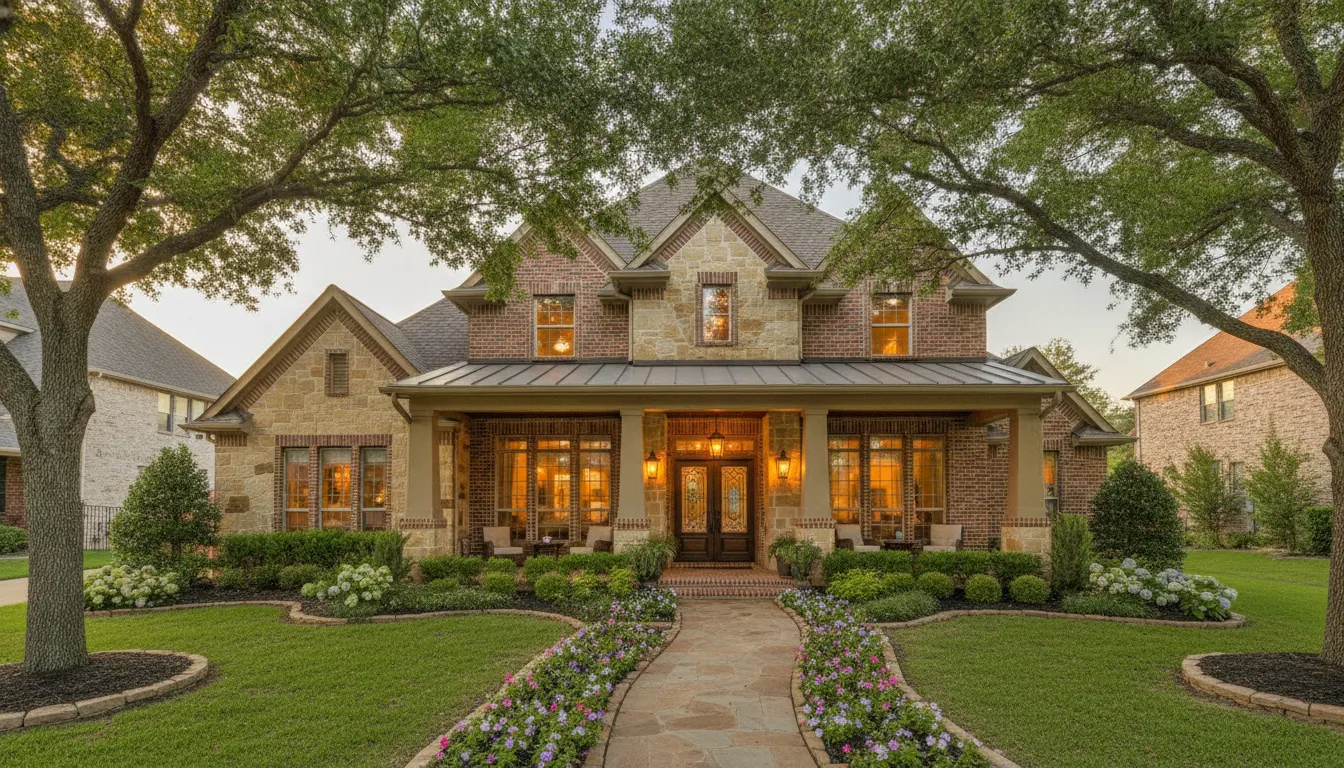
When you hear the term " new build home" in the Dallas-Fort Worth area, it’s easy to picture one specific type of house. But the reality is, "new build" covers a wide spectrum of properties. It can mean a move-in-ready house in a large suburban development, a chic condo in a bustling urban core, or a completely unique home designed just for you on a private piece of land. What they all share is the incredible appeal of being the very first owner, enjoying modern construction, and benefiting from today’s energy-efficiency standards. To help you understand your options, let's break down the three main categories of new build homes you'll find across DFW.
Single-family homes
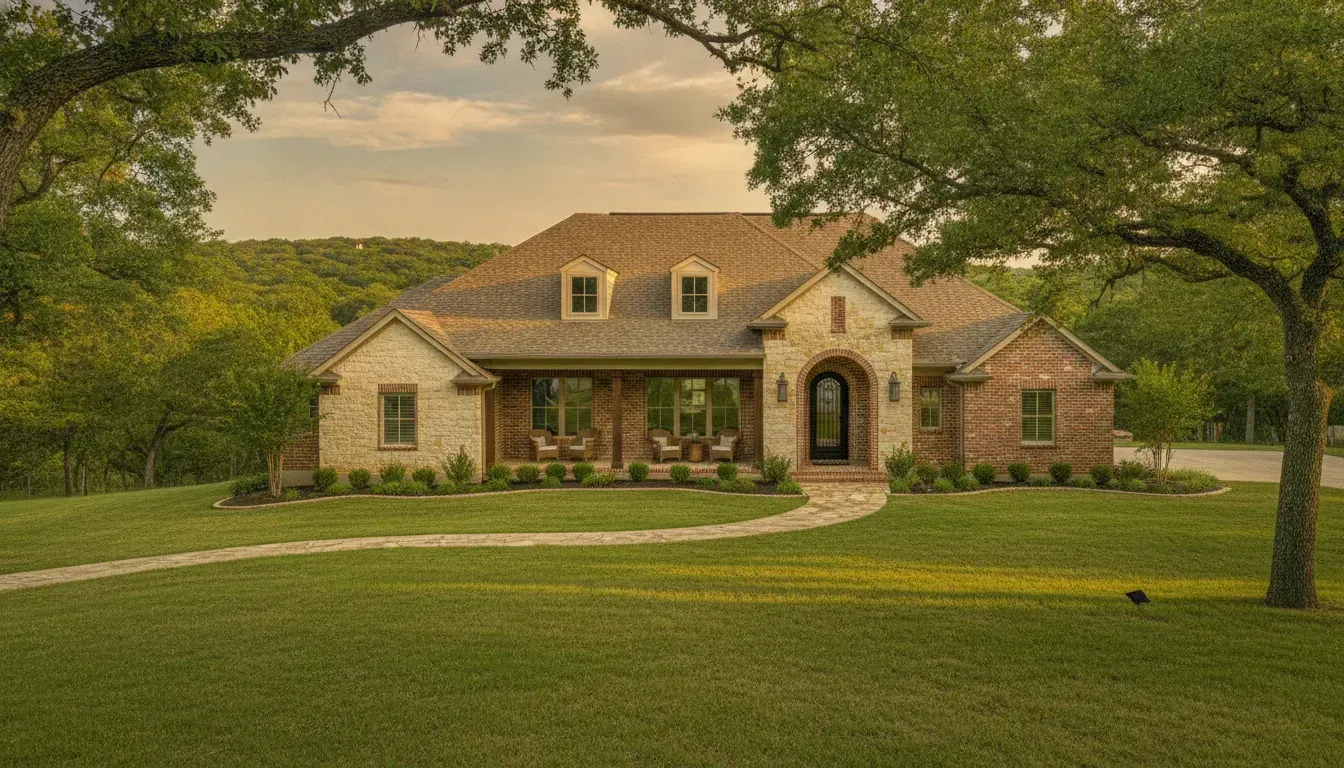
This is the classic new build that most people think of: a detached home on its own lot within a larger community developed by a production builder. You can find these new construction homes in cities and towns all over the DFW metroplex. The process typically involves choosing a lot and a floor plan from the builder’s portfolio. From there, you’ll select finishes like flooring, countertops, and paint colors from a curated list of options. While you don’t get to change the home's structure, it’s a straightforward path to owning a brand-new house without the sheer volume of decisions required for a fully custom project.
Townhomes and condos
If you’re looking for a low-maintenance lifestyle, a new build townhome or condo could be the perfect fit. These attached homes are often built in highly desirable neighborhoods and master-planned communities, giving you access to top amenities without the upkeep of a large yard. Many new DFW townhomes and condos feature luxury designs and energy efficiency, offering a "lock-and-leave" convenience that’s ideal for busy professionals, downsizers, or anyone who travels frequently. They provide a fantastic opportunity to own a new property in a prime location, often at a more accessible price point than a detached single-family home.
Custom-built homes
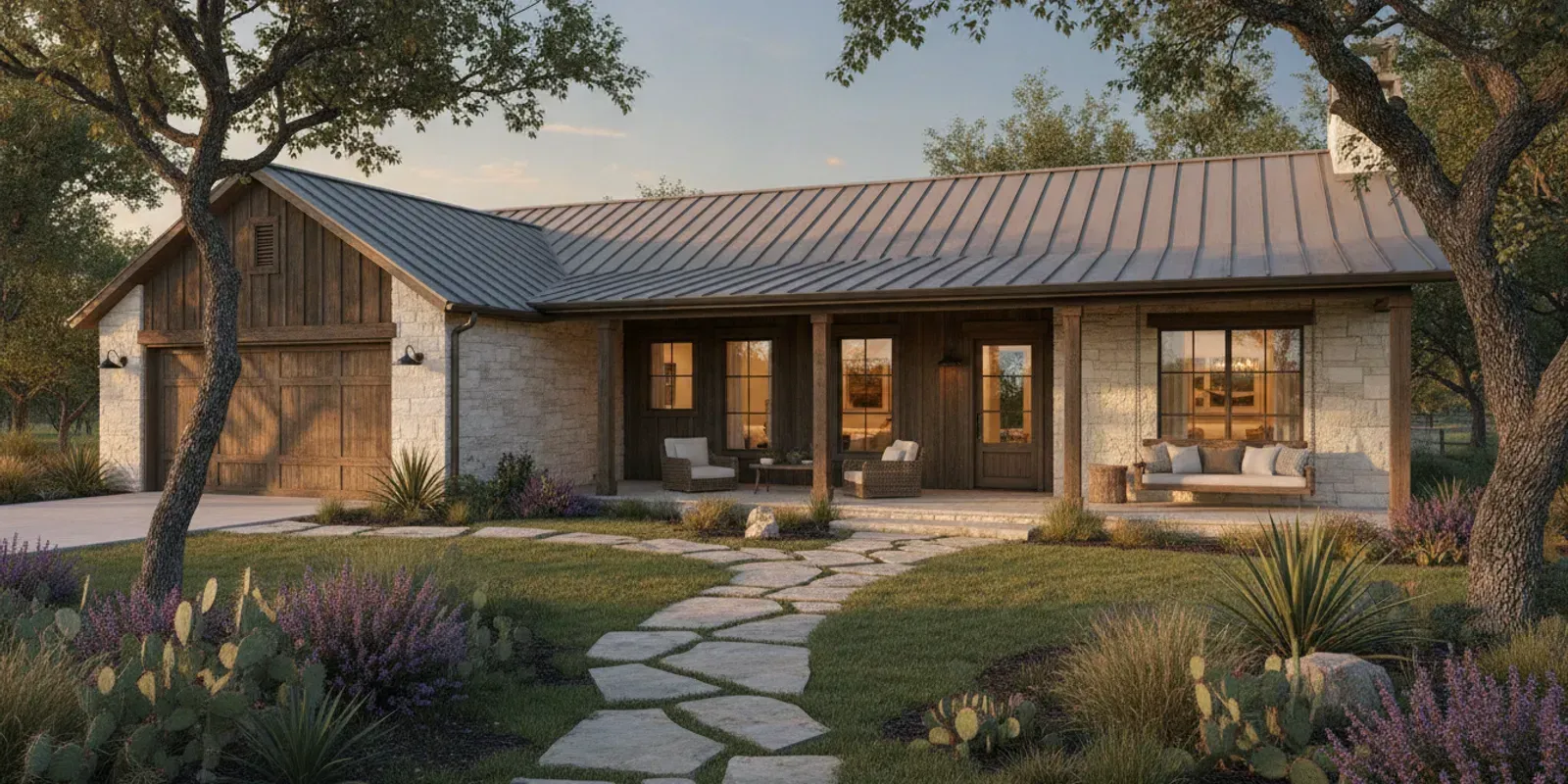
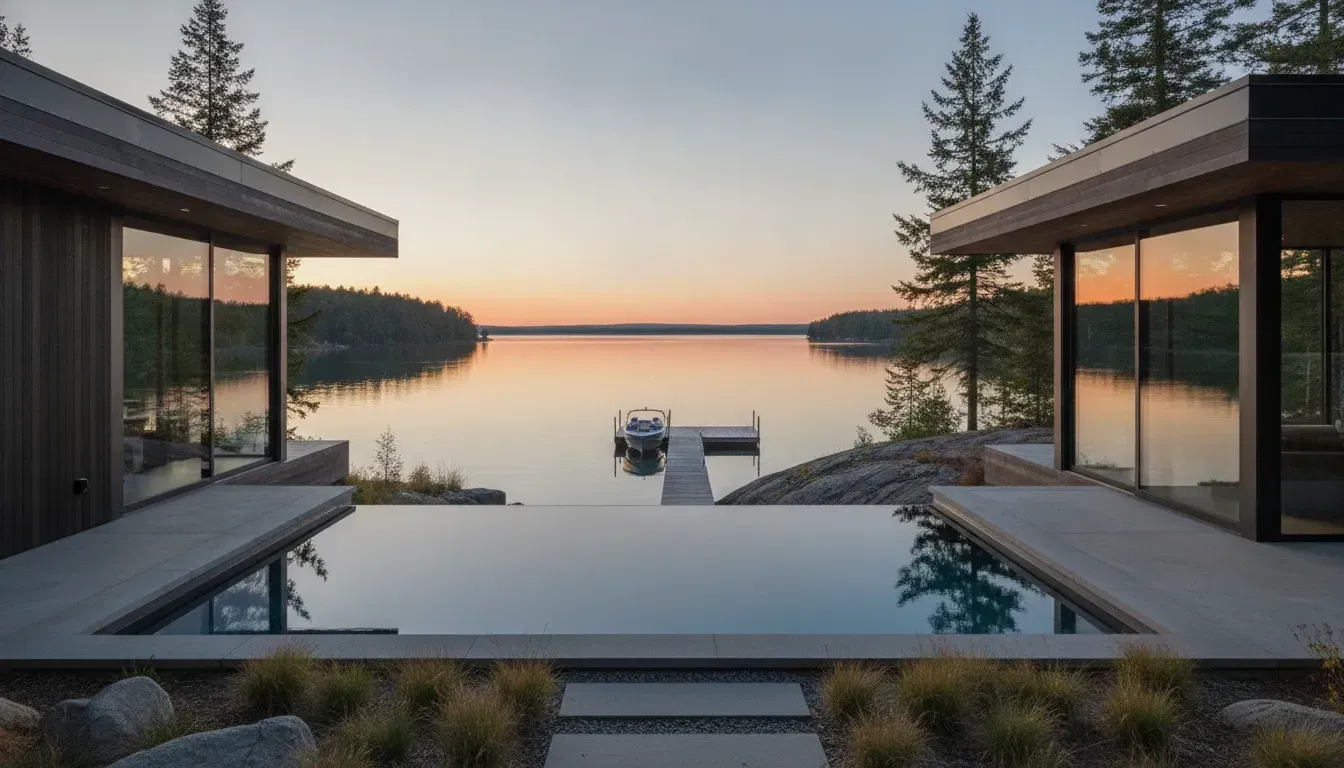
A custom-built home is a one-of-a-kind residence created just for you. Unlike a production home where you choose from a set menu, a custom home starts with a blank slate. You have complete control over the architectural style, floor plan, and every single finish. A great builder will guide you through the entire custom home design and construction process, offering tools like clear pricing and detailed plans to bring your vision to life. Whether you already own a lot or need help finding the perfect spot, this path offers the ultimate level of personalization, ensuring the final product is a true reflection of your lifestyle and taste.
How Much Does a New Build Home Cost in DFW?
Figuring out the cost of a new build home in the Dallas-Fort Worth area can feel like trying to hit a moving target. The truth is, prices vary widely depending on what you’re looking for. From starter homes in up-and-coming suburbs to sprawling custom estates in established neighborhoods, DFW offers a full spectrum of options. The average value for a single-family home here hovers around $366,326, but for new construction, that’s really just the beginning of the conversation.
Understanding the different price tiers will help you set a realistic budget and find a home that fits your vision and your finances. Whether you’re exploring a production build or dreaming of a fully custom home, knowing the key cost drivers is the first step. The great news is that DFW remains a relatively builder-friendly market, which helps keep costs more manageable than in other major metro areas. For custom projects, working with a builder who offers a fixed-price contract can also provide the cost certainty you need to build with confidence. Let’s break down what you can expect to invest at each level.
Entry-level pricing
If you're just starting your homeownership journey, the entry-level market in DFW is a great place to begin. While the metroplex average gives you a general idea, new construction starter homes typically begin in the high $300s and low $400s. These homes are often built by large-scale production builders in developing suburbs where land is more affordable.
You’ll find efficient floor plans and modern designs, but with fewer opportunities for personalization. The trade-off for limited customization is a more accessible price point and a quicker path to getting your keys. This tier is perfect for first-time buyers or those looking to downsize without sacrificing the benefits of a brand-new home.
Mid-range pricing
For those with a bit more to invest, the mid-range market offers a sweet spot between affordability and personalization. In this tier, which can range from the $500s to the $800s, you’ll see a significant jump in square footage, lot size, and finish quality. This is where you start to see more semi-custom options and homes in highly desirable communities with sought-after amenities.
In a typical DFW build, your budget is primarily split between materials (40% to 48%) and labor (38% to 45%). The remainder covers design, permits, and builder oversight. Understanding this cost breakdown helps you see exactly where your money is going as you select higher-end flooring, countertops, and fixtures.
Luxury and custom pricing
When you enter the luxury market, which generally starts around $1 million and goes up from there, you’re stepping into the world of fully custom homes. This is where your unique vision comes to life. Here, the price is driven entirely by your choices: the architect you work with, the exclusivity of the location, the complexity of the design, and the rarity of the materials.
While some high-end production builders like Toll Brothers and Drees operate in this space, a true custom build offers limitless possibilities. You’re not just choosing from a menu of options; you’re creating the menu itself. This is the tier where you can partner with a custom home builder to design a home that is an absolute reflection of your lifestyle, from a chef’s kitchen to a resort-style backyard.
Key factors that influence cost
No matter which price tier you’re in, several key factors will always influence the final cost of your new home. The single biggest driver is location. A lot in a top-rated school district or close to a major employment hub will cost significantly more than one further out. The size of the home and the complexity of its design are also major variables.
Beyond that, the quality of your finishes and materials plays a huge role. Things like flooring, cabinetry, countertops, and appliances can cause your budget to swing dramatically. Finally, land preparation and local permit fees contribute to the total cost. Fortunately, the DFW area’s builder-friendly regulations can help streamline this part of the process, making it a great place to build your dream home.
Where to Find New Build Homes in DFW
The Dallas-Fort Worth area is huge, and finding the right spot for your new home can feel like searching for a needle in a haystack. The good news is that each suburb offers a unique vibe, from bustling family-friendly communities to quieter, more spacious towns. Your choice really comes down to your lifestyle, budget, and daily commute.
Whether you’re drawn to the top-rated schools in the north or the convenient, affordable towns in the south, there’s a perfect place for you to build. Let’s look at some of the most popular areas for new construction and what makes each one special. Understanding the local landscape will help you decide where to plant your roots.
Frisco and Prosper
If you’re looking for fast-growing communities with excellent schools and family-focused amenities, Frisco and Prosper should be at the top of your list. These northern suburbs are known for their impressive growth and master-planned neighborhoods. Many new homes here feature spacious floor plans and access to resort-style perks like community pools and fitness centers. They are a magnet for families who want a vibrant, active lifestyle with plenty of conveniences right outside their door.
Little Elm and Melissa
For those seeking great value without straying too far from the action, Little Elm and Melissa are fantastic options. These towns offer more affordable new construction homes while still being close to major North Texas hubs. You get the benefit of a quieter, community-focused atmosphere with a slightly lower price tag. It’s a smart choice if you want to maximize your budget and still enjoy easy access to the jobs and entertainment that the greater DFW area provides.
Mansfield, Forney, and Aledo
If your life pulls you between Dallas and Fort Worth, consider suburbs like Mansfield, Forney, and Aledo. Mansfield, in particular, strikes a great balance between affordability and convenience, with plenty of shopping, dining, and green spaces. These areas are ideal for anyone who needs easy access to both major cities but prefers a more relaxed, suburban setting for their home life. They offer a practical and comfortable home base for exploring everything the metroplex has to offer.
Master-planned communities vs. private lots
As you explore these areas, you’ll face a key decision: build in a master-planned community or on a private lot. Master-planned communities offer a turnkey lifestyle with built-in amenities like pools, parks, and clubhouses. On the other hand, choosing to build on your own lot gives you complete creative freedom. You can design a home that is uniquely yours, from the architectural style to the exact placement on the land. This path is perfect if you have a specific vision and want to create a home that truly reflects your personality and needs.
Who Are the Top Home Builders in DFW?
The Dallas-Fort Worth area is home to a wide range of talented home builders, from large national companies to specialized custom firms. Finding the right partner for your new home is one of the most important decisions you'll make. Each builder has a unique approach to design, pricing, and the overall client experience. Here are a few of the top names you'll encounter in your search, representing both custom and production building.
ROSÖ Homes
ROSÖ Homes was created to meet the DFW market’s need for high-quality homes built in six months and for at least 10% less than other custom builders. They stand out with a fixed-price model, ensuring you know the total cost of your home before breaking ground. Their detailed design and discovery process gives you complete control and financial clarity from the very beginning. This commitment to transparency and efficiency makes them a top choice for anyone wanting a truly custom building experience without the typical delays and budget surprises.
Bloomfield Homes
Bloomfield Homes is a production builder recognized for its impressive curb appeal and homes that feel more upgraded than you might expect. Their "all-included" approach means many desirable features come standard, which simplifies the selection process and adds significant value. This strategy makes them a strong competitor in the market, especially for buyers who want a beautiful, feature-rich home without getting lost in endless customization options. You can explore their DFW communities to see their work firsthand.
Highland Homes
As a prominent builder across North Texas, Highland Homes has built a strong reputation for quality and sophisticated design. They are known for offering upscale finishes, polished home exteriors, and building in some of DFW's most sought-after master-planned communities. Homebuyers often choose Highland for their consistent quality and the appeal of living in a well-designed neighborhood with established amenities. Their focus on elevated design makes them a popular option for those seeking a refined production home.
Lennar
Lennar is one of the nation's largest builders, and their extensive experience is evident in their DFW communities. They are known for their "Everything's Included" program, which bundles popular features and upgrades into the home's price. With a wide variety of home designs that cater to different lifestyles and budgets, Lennar focuses on delivering quality and customer satisfaction. Their long-standing presence in the market makes them a reliable and straightforward choice for many new homebuyers in the Dallas-Fort Worth area.
Custom vs. Production: Which Build Is Right for You?
Deciding between a custom and a production home is one of the first major choices you'll make on your home-building journey. Production builders create large communities of homes based on a limited number of floor plans and design packages. It’s a streamlined process, but it often means your home will look a lot like your neighbor’s. A custom builder, on the other hand, offers a blank canvas. You get to create a one-of-a-kind home tailored specifically to your family’s needs and style. The right path depends entirely on your priorities, from your budget and timeline to how much creative control you want to have.
Comparing flexibility and personalization
With a production builder, your choices are often limited to a few pre-approved floor plans, color palettes, and finish packages. This simplifies decision-making, but it can feel restrictive if you have a specific vision. If you want to move a wall, add a unique room, or select a specific type of countertop that isn't in their catalog, you’re usually out of luck.
A custom build is all about personalization. You can design a floor plan from scratch with an architect or modify an existing one to perfection. Every detail, from the foundation to the doorknobs, is your decision. A great custom builder makes this process feel organized and exciting, not overwhelming. They provide clear communication and use tools like in-house drafting and design studios to help you see your vision come to life before construction even begins, ensuring the final product is a true reflection of you.
Understanding timeline and cost differences
A common myth is that production homes are always faster and more affordable. While their streamlined process can be efficient, it doesn't tell the whole story. Custom home building has evolved, and some builders are challenging this assumption. With efficient processes and long-standing supplier relationships, a custom home can be built surprisingly quickly and cost-effectively.
Furthermore, understanding the total cost is key. With any build, a large portion of the budget goes toward things you never see, like the foundation, structural systems, and infrastructure. A fixed-price building model eliminates surprises by locking in your costs upfront. This gives you financial clarity and peace of mind that you won’t find with contracts that allow for unexpected overages.
When to choose a custom builder
You should choose a custom builder if you value originality and want a home that perfectly suits your lifestyle. This path is ideal if you already own a lot, have a unique design in mind, or simply don’t want to settle for a cookie-cutter floor plan. It’s also for those who prefer a more personal, hands-on experience. Working with a local, dedicated team means you’re a partner in the process, not just another contract.
Ultimately, choosing the right builder is the most important decision you'll make. If you want complete control over your home’s design, a transparent budget, and a partner who is committed to bringing your specific vision to life on your terms, then working with a custom builder is the clear choice for you.
What Standard Features Can You Expect in a New DFW Home?
One of the best parts of buying a new construction home is that it’s designed for the way we live today. Unlike older homes that might need significant updates, new builds in the Dallas-Fort Worth area come packed with features that prioritize comfort, efficiency, and modern style right from the start. Builders are keenly aware of what today’s homebuyers are looking for, and they’ve made many once-luxury features part of their standard offerings.
While the exact list of standard features will vary between builders and communities, you’ll find some exciting common threads across the DFW market. Think of these as the new baseline for construction. From materials that lower your energy bills to layouts that make hosting a breeze, these homes are built to support a contemporary lifestyle. Knowing what to expect as a standard can help you better understand where your investment is going and what makes a new build such a compelling choice. It also gives you a great starting point for conversations with a custom home builder about personalizing your space even further.
Energy efficiency and sustainability
Today’s new homes are built with your wallet and the Texas climate in mind. Energy efficiency isn't just a buzzword; it’s a standard practice that translates into real savings on your monthly utility bills. Builders use advanced framing techniques and higher-quality insulation to keep your home cooler in the summer and warmer in the winter. You can expect features like low-E windows that reflect heat, high-efficiency HVAC systems that use less power, and ENERGY STAR appliances that reduce electricity and water consumption. These elements work together to create a more comfortable living environment and a smaller carbon footprint. The benefits of these features go beyond just cost savings, contributing to better indoor air quality and a more durable home structure.
Smart home technology
What once felt like science fiction is now a standard feature in many new DFW homes. Smart home technology is integrated from the ground up to add a layer of convenience and security to your daily life. Most builders include a starter package with essentials like a video doorbell, a smart thermostat that learns your habits to save energy, and a smart lock for keyless entry. Many systems also include a central hub that allows you to control lighting, security, and climate from your smartphone, whether you’re at home or away. These features provide peace of mind and simplify your routine, and you can often expand the system with additional smart home devices to create a fully connected home tailored to your lifestyle.
Open-concept layouts and modern finishes
The days of small, sectioned-off rooms are long gone. New homes in DFW embrace bright, airy, open-concept layouts that combine the kitchen, living, and dining areas into one cohesive space. This design is perfect for entertaining guests and keeping an eye on the kids while you cook. Large kitchen islands that double as breakfast bars, walk-in pantries, and abundant natural light are hallmarks of this style. Beyond the layout, you can expect high-quality, modern finishes to be the standard. Think quartz or granite countertops, stainless steel appliances, stylish cabinetry, and durable flooring like luxury vinyl plank or engineered hardwood. These thoughtful open-layout designs create a welcoming and functional heart for your home.
Community amenities
When you buy a new home in many DFW developments, you’re not just getting a house; you’re gaining access to a whole lifestyle. Master-planned communities are especially known for their impressive array of amenities designed to bring neighbors together and make life more enjoyable. It’s common to find resort-style swimming pools, state-of-the-art fitness centers, parks and playgrounds, and miles of walking and biking trails right in your neighborhood. Some communities even have dedicated lifestyle directors who plan events and activities for residents. These shared spaces provide endless opportunities for recreation and socializing, creating a vibrant sense of community that’s a huge draw for families and individuals alike.
What Financing Options and Incentives Are Available?
One of the most exciting parts of buying a new construction home is the potential for builder incentives. Think of these as special offers designed to make your purchase smoother and more affordable. Because builders want to sell homes in their new communities, they often provide financial perks that you won't find in the resale market. These can range from help with your loan to upgrades for your new kitchen.
Understanding these options can save you a significant amount of money, both at the closing table and over the life of your loan. It’s always a good idea to ask a builder what incentives they currently offer. At ROSÖ Homes, we believe in transparency and will walk you through all the possibilities, including our fixed-price model that eliminates surprise costs. Exploring these financial tools is a key step in making your dream home a reality without breaking the bank.
Interest rate buydowns
An interest rate buydown is a common incentive that can make a big difference in your monthly budget. With a buydown, the builder pays a fee to your lender to temporarily lower your mortgage interest rate, usually for the first one to three years of your loan. This means your monthly payments will be lower at the beginning, which can free up cash for things like new furniture, moving expenses, or just settling into your new life. It’s one of the most popular builder incentives because it provides immediate and noticeable savings for you as the homebuyer.
Help with closing costs
Closing costs can be a surprisingly large expense, often totaling thousands of dollars in fees for things like appraisals, title insurance, and loan origination. To ease this financial hurdle, many builders offer to pay for some or all of your closing costs. This is one of the most common types of builder incentives and a huge help for buyers. Having the builder cover these expenses means you need to bring less cash to closing, making the entire homebuying process feel much more manageable and leaving more of your savings available for your future.
Design credits and included appliances
This is where the fun really begins. Some builders offer credits to spend at their design center, allowing you to personalize your home with upgraded flooring, countertops, or lighting fixtures without paying entirely out of pocket. Other times, an incentive might include a full suite of high-end appliances, like a refrigerator, washer, and dryer. These design or upgrade incentives not only save you money but also help you create a space that truly feels like your own from the moment you move in, adding significant value and convenience.
Builder-preferred vs. outside lenders
Many builders have a list of preferred lenders they work with regularly. Choosing one of these lenders can sometimes unlock exclusive builder incentives for new home buyers, such as covering more of your closing costs or offering a smoother, faster loan process since they're already familiar with the builder's projects. While these offers can be very attractive, it’s still wise to compare their rates and terms with at least one outside lender. Shopping around ensures you’re getting the absolute best financial deal for your specific situation, giving you confidence in your decision.
Key Trends in DFW New Construction
The vision for the perfect home in Dallas-Fort Worth is constantly evolving. While classic Texas charm remains, today’s buyers are looking for homes that are smarter, healthier, and more connected to their surroundings. It’s less about simply having more space and more about having the right kind of space that truly enhances your life. As you begin your journey to build a custom home, you’ll notice a few key ideas shaping new construction across the metroplex. These aren't just fleeting fads; they are significant shifts in how we think about home.
These trends focus on long-term value, personal well-being, and a genuine sense of place. You'll see this in the growing demand for energy-efficient features that save you money and reduce your environmental impact. You'll feel it in designs that prioritize natural light and seamless indoor-outdoor living to support a healthier lifestyle. And you'll experience it in neighborhoods designed to foster connection and community. Understanding these trends will help you clarify your own priorities and communicate your vision effectively, ensuring your new home is not only beautiful but also perfectly aligned with the way you want to live for years to come.
Demand for sustainable and energy-efficient homes
More than ever, homeowners are looking for ways to reduce their environmental footprint and their monthly utility bills. This has made energy efficiency a top priority in new construction. Builders are moving beyond basic standards and incorporating advanced materials and technologies that create a more comfortable and cost-effective home. Think high-performance windows that keep the Texas heat out, superior insulation, and high-efficiency HVAC systems. Many new builds also feature ENERGY STAR certified appliances and smart thermostats that learn your habits. This focus on sustainability isn't just a trend; it's a smart financial decision that pays you back for years to come.
Wellness-focused design
Our homes have become our sanctuaries, and new builds are reflecting a deep focus on health and well-being. This concept, often called wellness design, is about creating environments that help you feel your best. It starts with floor plans that maximize natural light and fresh air, which can improve mood and productivity. You’ll also see a greater emphasis on creating a connection to the outdoors with features like large sliding glass doors, covered patios, and private courtyards. The goal is to build a home that promotes a healthier, more relaxed lifestyle through thoughtful, biophilic design principles that incorporate nature into the architecture itself.
Community-centered developments
Where you live is just as important as the house itself, and many new developments are built around creating a strong sense of community. Master-planned communities are incredibly popular in DFW because they offer a complete lifestyle, not just a home. These neighborhoods often feature resort-style pools, fitness centers, parks, walking trails, and planned social events that make it easy to meet your neighbors. Leading builders in the area often design these communities with a welcoming atmosphere in mind. Of course, if you prefer more privacy and have your own land, you can still create your own private retreat while enjoying all that DFW has to offer.
How to Choose the Right DFW Home Builder
Choosing a home builder is one of the biggest decisions you’ll make in your home-buying journey. You’re not just hiring a contractor; you’re selecting a partner who will bring your vision to life. The right builder can make the process exciting and seamless, while the wrong one can lead to budget overruns and stressful delays. With so many builders in the Dallas-Fort Worth area, it’s essential to do your homework to find one who aligns with your goals, budget, and communication style. This isn't just about finding someone who can build a pretty house; it's about finding a team you can trust to manage a complex, expensive, and deeply personal project.
To find a trustworthy and skilled partner, you need to look beyond the glossy brochures and model homes. Focus on four key areas: their reputation in the community, their approach to pricing, their ability to stick to a timeline, and the support they offer after you move in. By carefully evaluating builders on these points, you can feel confident that you’re making the right choice for your family and your investment. A great builder will be transparent, reliable, and committed to quality from the first conversation to long after they hand you the keys.
Check their reputation and track record
A builder’s reputation is built on more than just the houses they construct. It’s about how they treat their clients, communicate through challenges, and stand by their work. Start by searching for online reviews, but don’t stop there. Ask the builder for a list of past clients you can speak with. Talking to someone who has already gone through the process can give you invaluable insight into what the experience is really like. You can also check with the Dallas Builders Association to see if a builder is a member in good standing. Consistent positive feedback across different platforms is a strong sign that a builder prioritizes homeowner satisfaction and delivers on their promises.
Look for pricing transparency and fixed-price models
Understanding how a builder handles pricing is critical for keeping your project on budget. Some builders use a "cost-plus" model, where you pay the cost of materials and labor plus a percentage fee, which can lead to unpredictable final costs. A better alternative is a fixed-price contract. With a fixed-price builder, the price you agree to is the price you pay, eliminating the risk of surprise expenses. At ROSÖ Homes, we were founded on the principle of being a fixed-price builder, giving our clients peace of mind and budget certainty. Ask potential builders to explain their pricing structure and what tools they provide to help you track costs and make decisions along the way.
Ask about build time guarantees
Your time is valuable, and construction delays can be both costly and frustrating. When interviewing builders, ask them directly about their average build time for a home like yours and how they manage their schedules to stay on track. A seasoned builder should have proven systems in place to handle potential setbacks, like weather or supply chain issues. Ask them to walk you through their process for communicating delays and how they work to get back on schedule. A builder who can confidently discuss their timeline and has a history of finishing projects efficiently is one who respects your time and investment.
Understand the warranty and after-sale support
The relationship with your builder shouldn’t end the day you move in. A quality builder will stand behind their work with a comprehensive warranty. New homes typically come with a builder-backed warranty that covers different aspects of the home for varying lengths of time, such as one year for workmanship, two years for systems (like plumbing and electrical), and ten years for major structural components. Before you sign a contract, ask for a copy of the warranty and review it carefully. Understanding what’s covered and how to submit a service request will give you confidence that your builder will be there to support you long after your home is complete.
Your First Steps to Building a New Home in DFW
Starting the process of building your dream home in DFW is an exciting milestone. While it can feel like a huge undertaking, breaking it down into a few key first steps will set you up for a smooth and successful project. Think of it not as one giant leap, but as a series of manageable decisions that lead you to the front door of your new home. Here’s where to begin.
Define Your Vision and Budget
Before you fall in love with a floor plan, get clear on what you can comfortably afford. This means talking to a lender to get pre-approved for a construction loan. At the same time, start a wish list for your future home. Think about your family’s lifestyle. Do you need an open-concept layout for entertaining? A dedicated home office? How many bedrooms and bathrooms will you need now and in the future? Having a solid budget and a clear vision helps you and your builder stay aligned from day one, ensuring your new home is designed for comfort and modern living.
Research Builders and Their Reputations
Not all builders are created equal, and your next step is to find a partner you can trust. Start by creating a shortlist of builders in the DFW area. Read online reviews, but also dig deeper. Ask for references from past clients and drive by their previous projects to see how the homes have aged. When you speak with them, pay attention to their communication style. A quality builder should be professional, responsive, and transparent. You can evaluate a residential builder by how well they listen and how clearly they answer your questions about their process and pricing.
Explore Financing and Incentives
Financing a new build is a bit different from buying an existing home. Once you have a pre-approval, you can start discussing specifics with builders. Many offer incentives to make the deal more attractive, which can be a huge help for your budget. Be sure to understand builder incentives, which might include interest rate buydowns to lower your monthly payment, credits toward closing costs, or allowances for design upgrades. Ask potential builders what they offer and how it works with their preferred lenders versus outside financing. This knowledge gives you more power to make the best financial decision for your family.
Scout Your Location
Where you build is just as important as what you build. The Dallas-Fort Worth area is vast, with neighborhoods that vary widely in price, atmosphere, and amenities. Start exploring different cities and communities to find the right fit for your lifestyle. Consider your commute, school districts, and proximity to shopping and parks. The cost of building vs. buying a home in Texas is heavily influenced by your chosen location. Decide if you want to build in a master-planned community with shared amenities or find your own private lot. A flexible builder can work with you on either path.
Related Articles
- Build on Your Lot in Dallas, TX Metroplex
- Edgewood Estates: New Homes in Dallas, TX Metroplex
- Past Homes by ROSÖ Homes
- Standard Upgraded Features in New DFW Homes
- Available Homes in Dallas, TX Metroplex
Frequently Asked Questions
How can I be sure my custom home won't go over budget? This is a huge and completely valid concern. The key is to work with a builder who offers a fixed-price contract. Unlike other pricing models where the final cost can change, a fixed-price agreement locks in the total price of your home before construction even starts. This means you can make all your design decisions with full financial clarity, knowing that the price you agreed to is the price you will pay. It removes the risk of surprise costs and allows you to enjoy the process with peace of mind.
Do I need to own a lot before I can start the custom home process? Not at all. While some clients come to a builder with a lot they already own, many do not. A good custom builder can be a valuable partner in your land search. They can help you evaluate potential properties, considering factors like topography, utility access, and local building requirements that you might not think of. Starting the conversation with a builder early can actually make your lot selection process much smoother and more successful.
What's the real difference in experience between a custom and production builder? Think of it as the difference between buying a suit off the rack and having one tailored just for you. With a production builder, you choose from a set menu of plans and finishes, which is straightforward but can feel impersonal. With a custom builder, you are a collaborative partner in creating a home from the ground up. The experience is much more personal and hands-on, with a dedicated team that gets to know your family and your lifestyle to ensure the final home is a perfect fit.
How long does it actually take to build a custom home? The timeline for a custom home can vary quite a bit, but it doesn't have to be the multi-year saga you might have heard about. While a typical custom build can take a year or more, some builders have refined their processes to be much more efficient. By having organized systems for design, permitting, and construction management, a dedicated builder can complete a high-quality custom home in significantly less time, sometimes as quickly as six months, without cutting any corners.
Are builder incentives like interest rate buydowns too good to be true? It's smart to be cautious, but these incentives are often legitimate and can provide real savings. Builders offer them to make their homes more attractive in a competitive market. An interest rate buydown, for example, can lower your monthly payments for the first few years, which is a tangible benefit. The best approach is to ask the builder to clearly explain the terms and then compare the offer with one from an outside lender to ensure you’re getting the best overall financial deal for your situation.