
The Smart Buyer's Guide to the Perfect Lake House
The search for the perfect lake house often starts with excitement but can end in frustration. You might find a home with stunning views but a dated, closed-off floor plan. Or you’ll see a great lot, but the house itself needs a complete overhaul. It’s easy to feel like you have to compromise on your vision. But what if you didn’t have to? Before you settle, it’s important to understand all your options, from renovating an existing property to building a custom home designed for your family. This guide covers what to look for in any lakefront property and explores how creating a custom lake house can be the smartest way to get everything you want.
Key Takeaways
- Look beyond the four walls: Your property's value and your enjoyment depend on more than the house. Investigate the specifics of the land and water, including seasonal water levels, property lines, and any HOA rules, to ensure the location truly supports your lifestyle.
- Create a complete financial picture: The purchase price is only the starting point. A realistic budget should also account for ongoing expenses unique to waterfront living, such as specialized insurance, dock maintenance, and potentially stricter loan requirements.
- Design for the lake life experience: Whether you buy an existing home or build a custom one, prioritize features that connect you to the water. This includes large windows for views, an open layout for entertaining guests, and practical additions like a durable dock and smart storage for gear.
What Is a Lake House, and Is It Right for You?
Choosing to buy or build a lakefront house is an exciting decision, but it’s also a nuanced one. Unlike a typical suburban home, a lakefront property comes with a unique ecosystem of features, access rights, and lifestyle considerations that will shape your entire experience. It’s more than just a house with a view; it’s a commitment to a specific way of life. Before you start picturing your dream dock, it’s important to get clear on what that lifestyle really means and if it aligns with your vision for your family and future.
What the Lake House Lifestyle Is Really Like
The lake house dream is powerful. You can almost hear it: waking up to the sound of gentle waves, sipping coffee on the deck as the sun rises over the water, and spending long weekends with family and friends in a peaceful, beautiful setting. This serene escape is a huge part of the appeal, offering a built-in retreat from the everyday hustle.
However, it’s also wise to have a realistic picture. While your property is private, most lakes are public, which means you’ll be sharing the water. On sunny weekends, the quiet shoreline can become a lively hub of swimming, boating, and waterskiing. For many, this energy is part of the fun, but it’s something to be aware of. The key is understanding the specific culture of the lake you’re considering, as some are known for quiet fishing while others are famous for summer parties.
Who Buys a Lake House (and Why)
People from all walks of life are drawn to the water, but they often share a few common goals. Many are families looking to create a legacy home, a special place where kids and grandkids can gather and make memories for years to come. The built-in social community that develops around a lake is also a huge draw, particularly for retirees and families with young children who enjoy connecting with neighbors.
Beyond the lifestyle, a lake house is also a smart financial move. These properties provide beautiful scenery and endless water activities, but they also make great investments since well-located lakeside properties are almost always in demand. Whether you’re looking for a weekend getaway, a full-time residence, or a future retirement spot, a lake house can be a perfect fit for creating both personal and financial value.
What to Look for in a Lake House
Buying a lakefront house is an exciting decision, but it’s also a nuanced one. Unlike a standard suburban home, a lake property comes with a whole ecosystem of features, access rights, and lifestyle considerations that can make or break your experience. It’s not just about the four walls of the house; it’s about the land, the water, and how they all work together. A beautiful home on a problematic lot can quickly turn your dream into a headache.
Before you get swept away by stunning water views, it’s important to put on your investigator hat. You need to look beyond the surface and understand the specifics of the property you’re considering. This means evaluating everything from the shoreline and dock potential to the invisible boundaries and rules that govern the land. A thorough inspection of the home’s structure is also critical, as living near water presents unique challenges. Finally, you’ll want to know how the property changes with the seasons to ensure it fits your lifestyle year-round. Taking the time to assess these key areas will help you find a place you’ll love for years to come.
Evaluate the Waterfront, Shoreline, and Dock
The quality of your waterfront access is what truly defines a lake house. Start by looking at the shoreline itself. Is it a gentle, sandy slope perfect for wading in, or is it a rocky bank that’s better suited for fishing? Consider how you plan to use the water. When you’re looking at properties, check for existing docks and boat slips. If the home doesn’t have them, find out if it’s possible to install these features later. Local regulations or the physical landscape can sometimes prevent new construction, so it’s better to know the rules upfront. This single factor can dramatically shape your daily life on the lake.
Understand the Lot Size, Setbacks, and Zoning Rules
The land your lake house sits on is just as important as the house itself. Pay close attention to property lines, local zoning rules, and especially setback requirements, which dictate how close you can build to the water’s edge. These rules can affect any future plans for expansion, adding a deck, or building a guest house. Many lakefront communities also have a Homeowners Association (HOA) with its own set of guidelines on everything from exterior paint colors to boat storage. Understanding these regulations is key to ensuring your vision for the property is achievable. It helps you avoid any surprises that could limit your enjoyment or future projects.
Inspect the Structure for Lakefront Living
A house by the water is constantly exposed to the elements. Living close to a lake requires consistent maintenance to handle moisture, prevent mold, and keep pests at bay. When you tour a home, look for signs of water damage, especially in the basement or crawl space, around windows, and on the roof. The home’s foundation is also incredibly important. We recommend hiring an inspector who has specific experience with waterfront properties. They’ll know exactly what to look for, from structural integrity to the condition of systems like HVAC and septic, which can be more complex in a lakeside setting.
Check for Seasonal Water Changes and Year-Round Access
Lakes are living bodies of water, and their levels can change throughout the year. One of the most common challenges of living on a lake is dealing with fluctuating water levels, which can affect your access and the usability of your dock. Ask about the lake’s history. Does it drop significantly in the dry season, leaving your dock high and dry? Also, consider year-round access to the property itself. Are the roads leading to the house well-maintained, especially during winter or heavy rain? Ensuring you can easily and safely get to your home in any season is a practical detail that’s easy to overlook but essential for a stress-free experience.
Must-Have Features for Your Lake House
A lake house is more than just a home by the water; it’s a retreat designed for relaxation, fun, and making memories. The right features can transform your property from a simple house into a dream destination for you and your loved ones. While personal taste plays a huge role, certain elements are universally loved because they enhance the unique lifestyle that comes with living on the lake. It’s all about balancing beautiful design with practical function. Think about how you plan to live in the space day-to-day and what will make hosting friends and family a breeze. From soaking in the views to storing your boat, these are the features that truly define a perfect lake house.
Prioritize Big Windows and Indoor-Outdoor Flow
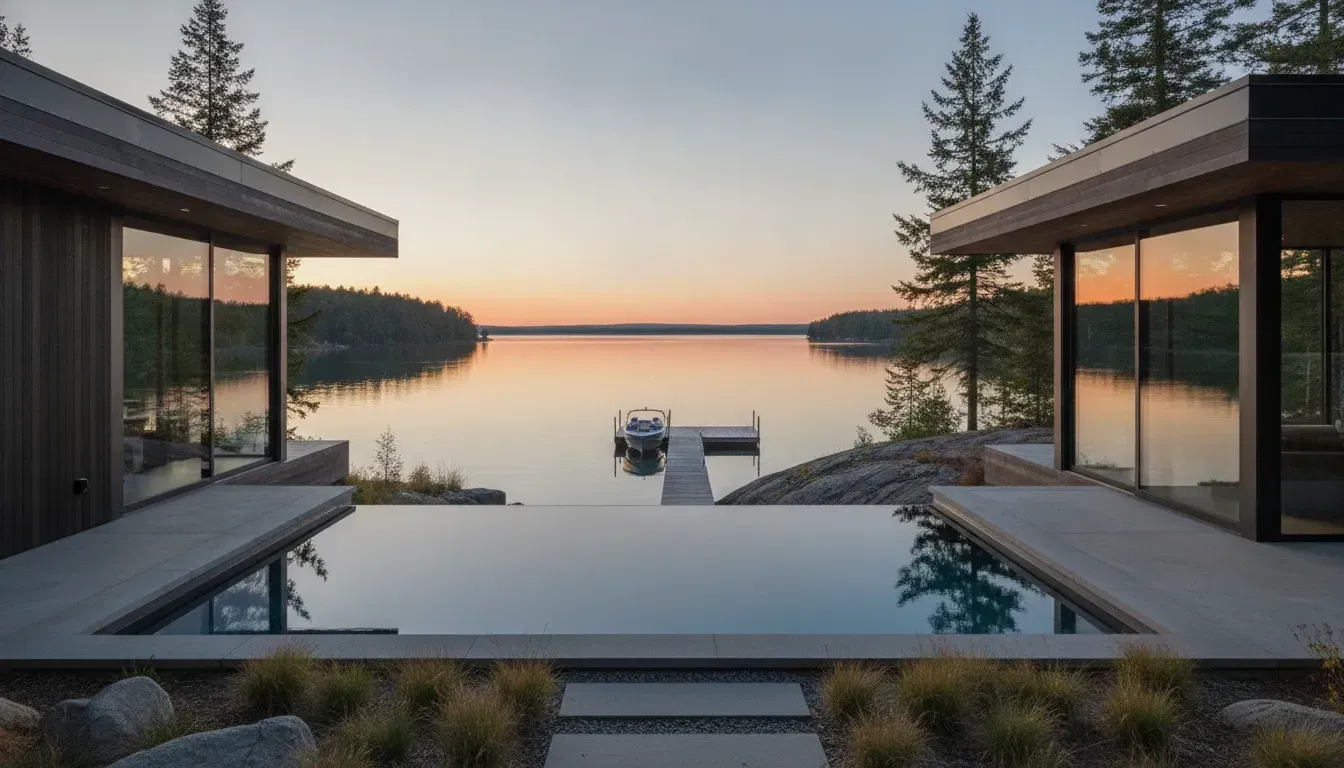
The number one reason to have a lake house is the lake itself, so your home should celebrate that view at every opportunity. Large, expansive windows are non-negotiable. Think floor-to-ceiling glass walls that frame the water like a piece of art and fill your home with natural light. Features like sliding or folding glass doors create a seamless transition from your living room to your deck or patio, inviting the outdoors in. This indoor-outdoor flow makes your living space feel larger and more connected to the beautiful surroundings. Our custom home portfolio shows how we integrate stunning window features to maximize lakeside views.
Plan for Guests and Entertaining
Lake houses are magnets for friends and family, so planning for company is key. A great lake house layout includes flexible spaces that can comfortably accommodate visitors. Consider adding a bunk room, which is a fun and efficient way to sleep a crowd of kids or adults. A separate guest suite with its own bathroom offers privacy and makes your guests feel truly welcome. An open-concept kitchen and living area that flows onto a large deck or patio creates the perfect hub for gatherings. An outdoor kitchen, a fire pit, and a guest-friendly dock setup also make your home the go-to spot for summer weekends. The goal is to create a welcoming guest space where making memories feels effortless.
Look for Docks, Storage, and Water Access
To fully enjoy the lake, you need easy and practical access to the water. A sturdy, well-maintained dock is essential for swimming, fishing, and, of course, docking your boat. If you’re a boater, a boat slip with a lift will protect your investment from the elements and make getting on the water much quicker. Don’t forget storage. A dedicated space near the shore for kayaks, paddleboards, life jackets, and other water toys is incredibly convenient. When evaluating a property, make sure you understand the local rules for docks and water access, as this is a critical part of the lakefront experience.
Choose Smart Tech and Durable Materials
A modern lake house should be as smart as it is beautiful. Integrating smart home systems allows you to control lighting, climate, and security from your phone, which is especially useful if it’s a second home. You can adjust the thermostat before you arrive or check security cameras while you’re away. Just as important is the home’s construction. Lakefront properties face more humidity and weather exposure, so choosing durable, low-maintenance materials is a wise investment. Composite decking, fiber cement siding, and metal roofing are excellent choices that withstand the elements and keep your home looking great for years, giving you more time to relax and less time spent on upkeep.
How Much Does a Lake House Really Cost?
The sticker price of a lake house is just the beginning of the story. While it’s easy to get swept away by waterfront views, understanding the full financial picture is key to making a smart investment. The total cost includes not just the purchase price but also a unique set of expenses tied to the location, maintenance, and specific requirements of lakeside living. Thinking through these factors will help you create a realistic budget and decide if a property is the right fit for your finances and your lifestyle.
How Location and Popularity Affect Price
The old real estate mantra, "location, location, location," is especially true for lake houses. A home on a bustling, highly sought-after lake near Dallas-Fort Worth will carry a much higher price tag than one on a quieter, more remote body of water. If you plan to use the property as an investment, you might consider choosing a lake that is just beginning to grow in popularity. You’re more likely to find affordable options in these areas, and your property value may increase more quickly as demand rises. Research different lakes in Texas to understand their unique character, amenities, and market trends before you start your search.
Uncover the Hidden Costs of Ownership
Life on the water comes with a few extra expenses that you won't find in a typical suburban home. Proximity to water means you’ll need to plan for consistent maintenance to handle moisture, prevent mold, and manage pests. Beyond general upkeep, you may have specific fees related to the waterfront lifestyle. These can include costs for boat dock and lift usage, septic tank pumping, and potentially higher water and sewer rates. When you’re evaluating a property, be sure to ask the current owners about these recurring expenses so you can factor them into your total cost of ownership.
Budget for Insurance, Maintenance, and Ongoing Expenses
Securing financing for a second home often comes with stricter requirements. Lenders typically expect a down payment of at least 10% to 20% and a strong credit score. You may also find that interest rates are slightly higher for a vacation home loan compared to a primary residence. Furthermore, insurance is a significant ongoing expense. Waterfront properties often require specialized coverage, including flood insurance, which can add a substantial amount to your annual budget. It's wise to get insurance quotes early in the buying process to avoid any surprises and ensure you’re prepared for the potential challenges of lakeside living.
The Pros and Cons of Owning a Lake House
Owning a lake house is a dream for many, but it’s a decision that comes with its own unique set of rewards and responsibilities. Before you take the plunge, it’s helpful to look at the full picture, from serene mornings on the dock to the practical realities of waterfront maintenance. Understanding both sides helps you make a choice that truly fits your lifestyle and budget.
The Perks: Why You'll Love Lake Life
The biggest draw of a lake house is the incredible lifestyle it offers. Imagine waking up to beautiful scenery, sipping your coffee as the mist rises off the water, and spending your days fishing, boating, or swimming right in your backyard. It’s a built-in escape that provides a perfect backdrop for making memories with family and friends. Beyond the personal enjoyment, lakeside properties are almost always in demand, making them a solid investment. Whether you’re looking for a weekend retreat or a full-time residence, the right lakefront property can truly enhance your lifestyle and become a cherished asset for years to come.
The Challenges: What to Prepare For
While the vision is idyllic, waterfront living has its practical challenges. For one, mortgage lenders often hold buyers to higher standards for a second home, so be prepared for a more rigorous financing process. The property itself also requires extra attention. Proximity to water means you’ll need to be vigilant about maintenance to prevent moisture damage, mold, and pests. You should also research the specific lake you’re interested in, as some are prone to fluctuating water levels that can impact your dock, shoreline, and even property access throughout the year. These factors aren't deal-breakers, but they do require planning and a realistic budget.
How to Solve Common Lake House Problems
The good news is that most lake house challenges can be managed with smart planning. If financing seems like a hurdle, don’t get discouraged. It’s wise to explore alternative financing options beyond traditional mortgages, as credit unions or local banks may offer more flexible terms. When it comes to upkeep, the key is to be proactive. Set aside a dedicated budget for maintenance and schedule regular inspections for the roof, foundation, and dock. For issues like water quality or levels, doing thorough research upfront is your best defense. Partnering with a builder who understands the local environment can also help you design a home that’s built to withstand the specific challenges of lakeside living.
Financing a Lake House: What You Need to Know
Securing the funds for your dream lake house involves a few different steps than financing a primary home. Lenders often view a second home as a higher risk, so the requirements can be a bit stricter. But don't let that discourage you. With a little preparation, you can approach the financing process with confidence and find a solution that works for your family and your budget. Understanding your options, from down payments to tax benefits, will help you make a smart and sustainable investment in your lakeside lifestyle.
Know the Down Payment and Credit Score Requirements
When you apply for a loan for a lake house, lenders want to see that you can comfortably manage an additional mortgage payment. Because of this, they generally hold buyers to higher standards. You should plan for a down payment of at least 10% to 20% of the purchase price. Lenders will also look for a strong credit history, typically requiring a score of 680 or higher. It’s also good to be aware that interest rates for vacation homes can sometimes be slightly higher than those for a primary residence. Getting your finances in order ahead of time will put you in the best possible position for approval.
Explore Your Alternative Financing Options
While a traditional mortgage is the most common path, it’s not your only choice. It’s worth exploring alternative financing options that might offer better terms or more flexibility. For example, some sellers may be open to seller financing, where the seller essentially acts as the lender and you make payments directly to them. This arrangement can sometimes lead to more flexible terms. If you already own a home, a home equity loan or line of credit (HELOC) could be another way to access funds. And if you’re planning to build from the ground up, a construction loan is specifically designed to cover the costs of your project.
Understand the Tax and Investment Benefits
A lake house is more than just a getaway; it can also be a savvy financial move. If you use the property primarily as a secondary residence for personal enjoyment, you can often deduct the mortgage interest and property taxes, just as you would with your main home. Beyond the tax perks, a lake house is a tangible asset. Waterfront property is often in high demand, and as its value appreciates over time, so does your equity. This growing equity can become a valuable resource down the road, whether you use it to finance future projects or simply enjoy the financial security it brings.
Key Questions to Ask Before You Buy
Buying a lake house is incredibly exciting, but it's a purchase that comes with its own unique set of rules. Unlike a standard home in a subdivision, a lakefront property involves a whole ecosystem of water rights, environmental factors, and community guidelines that can shape your entire experience. Getting clear answers to a few key questions before you sign on the dotted line will save you from headaches down the road and ensure your lakeside dream doesn't turn into a logistical nightmare. Think of it as your final round of due diligence to protect your investment and your peace of mind. Before you get too far, make sure you have a clear picture of what you’re really buying.
Ask About the Property, Land, and Water Rights
First, get the full story on the land and water. Lake levels can fluctuate dramatically with the seasons, so ask how these changes might impact your property, dock, and water access throughout the year. You'll also want to confirm who actually owns the land your house sits on. Some lakefront properties operate on a leasehold basis, meaning you own the structure but not the ground beneath it. It's critical to understand if a land lease is in place, as it can come with recurring costs, restrictions, and rules you’ll need to follow. Make sure you know exactly what you own and what rights come with it.
Ask About the Community, HOA, and Local Rules
Next, investigate the community and its regulations. Many lake communities are governed by a Homeowners Association (HOA) that manages shared amenities like boat launches, beaches, and clubhouses. Ask for a copy of the HOA covenants to understand the fees, rules, and any restrictions on things like short-term rentals, fences, or future renovations. These community guidelines can heavily influence your lifestyle and what you can do with your property. Knowing the rules upfront helps you decide if the community is the right fit for you and your family, especially if you plan to make changes or build new in the future.
Is Building a Custom Lake House a Better Option?
After searching for a while, you might find that the existing lake houses on the market just don’t feel right. They either need a ton of work, have a strange layout, or sit on a less-than-ideal part of the shore. If you’re tired of compromising, building a custom lake house might be the perfect solution. It allows you to create a home that fits your family’s lifestyle from the ground up, ensuring every detail is exactly as you imagined.
Why Building New Might Be the Smarter Choice
Building new means you get to skip the bidding wars and costly renovations that often come with buying an existing property. Instead of inheriting someone else’s design choices, you can create a space that is perfectly tailored to you. A lake house is more than a getaway; it’s an investment. A brand-new, well-built home is likely to appreciate in value, growing your equity over time. With a fixed-price builder, you also have complete control over the budget, avoiding the surprise expenses that can pop up when updating an older home. You can even explore alternative financing options beyond traditional mortgages that might better suit a new construction project.
How to Design Your Perfect Custom Lake House
This is where the fun begins. Designing your lake house is all about creating a space that is both beautiful and functional. The goal is to find the right balance between comfort, durability, and style to create a sophisticated, long-lasting interior. Think big windows to capture those stunning water views and an open floor plan that flows seamlessly from the kitchen to the patio. You can bring the outdoors in by using natural materials like stone and wood, along with a color palette of soft blues, greens, and sandy neutrals. Don’t forget to plan for practical elements from the start, like a durable dock, ample storage for kayaks and gear, and easy access to the water.
What to Look for in a Custom Lake House Builder
Choosing the right builder is the most critical decision you’ll make. You need a partner who not only understands your vision but also has proven experience with waterfront construction. A builder who knows the local area can help you with everything from lot selection to navigating shoreline regulations. Look for a team that values transparency and offers a clear, straightforward process. A builder with a fixed-price model can give you peace of mind, ensuring your project stays on budget without any last-minute surprises. Always review their portfolio of past projects and ask to speak with former clients to get a true sense of their work and reputation.
Frequently Asked Questions
Is it better to buy an existing lake house or build a new one? This really depends on your priorities. Buying an existing home can get you on the water faster, but it often means you’ll have to compromise on the layout, style, or condition of the house. You might also inherit problems or face costly renovations. Building a custom home allows you to design a space that perfectly fits your family’s needs and takes full advantage of your specific lot and its views. You get to control the quality and features from the start, which often makes it a smarter long-term investment.
What are the most common "hidden costs" I should budget for? Beyond the mortgage, lake house ownership comes with a few unique expenses. You should plan for higher insurance premiums, as you will likely need separate flood insurance. Also, factor in the cost of dock and boat lift maintenance, regular septic system servicing, and potentially higher utility rates. If the community has a Homeowners Association, be sure to account for those annual or monthly dues, which cover shared amenities.
How do I know if a specific lake is right for my family? The personality of a lake can vary greatly. The best way to find out if it’s a good fit is to experience it firsthand. Spend a quiet weekday and a busy Saturday at the lake you’re considering. This will give you a realistic sense of the boat traffic, noise levels, and overall vibe. You can also talk to people at local marinas or restaurants to get an insider’s perspective on the community culture and what it’s like to live there year-round.
I found a property with a land lease. Is that a deal-breaker? Not necessarily, but it requires extra diligence. A land lease means you own the house itself but not the ground it sits on, which you lease from a person or entity. You need to carefully review the terms of the lease, including its length, the annual cost, and any rules or restrictions it imposes. While it can make a property more affordable upfront, you need to be comfortable with the long-term arrangement before you commit.
What's the single biggest mistake to avoid when buying a lake house? The biggest mistake is focusing only on the house and forgetting about the land and water. A beautiful home on a problematic lot is a recipe for disappointment. Before you fall in love with a kitchen or a master suite, thoroughly investigate the waterfront. Check the water depth, understand how water levels change with the seasons, and confirm your property rights and any building restrictions. These are the elements that truly define the lakefront lifestyle.