
New Construction Homes Frisco TX: Site Meetings for a Custom Build
Learn how often to meet with a custom home builder, what to cover at each check-in, and how to keep decisions, site visits, and next steps organized.

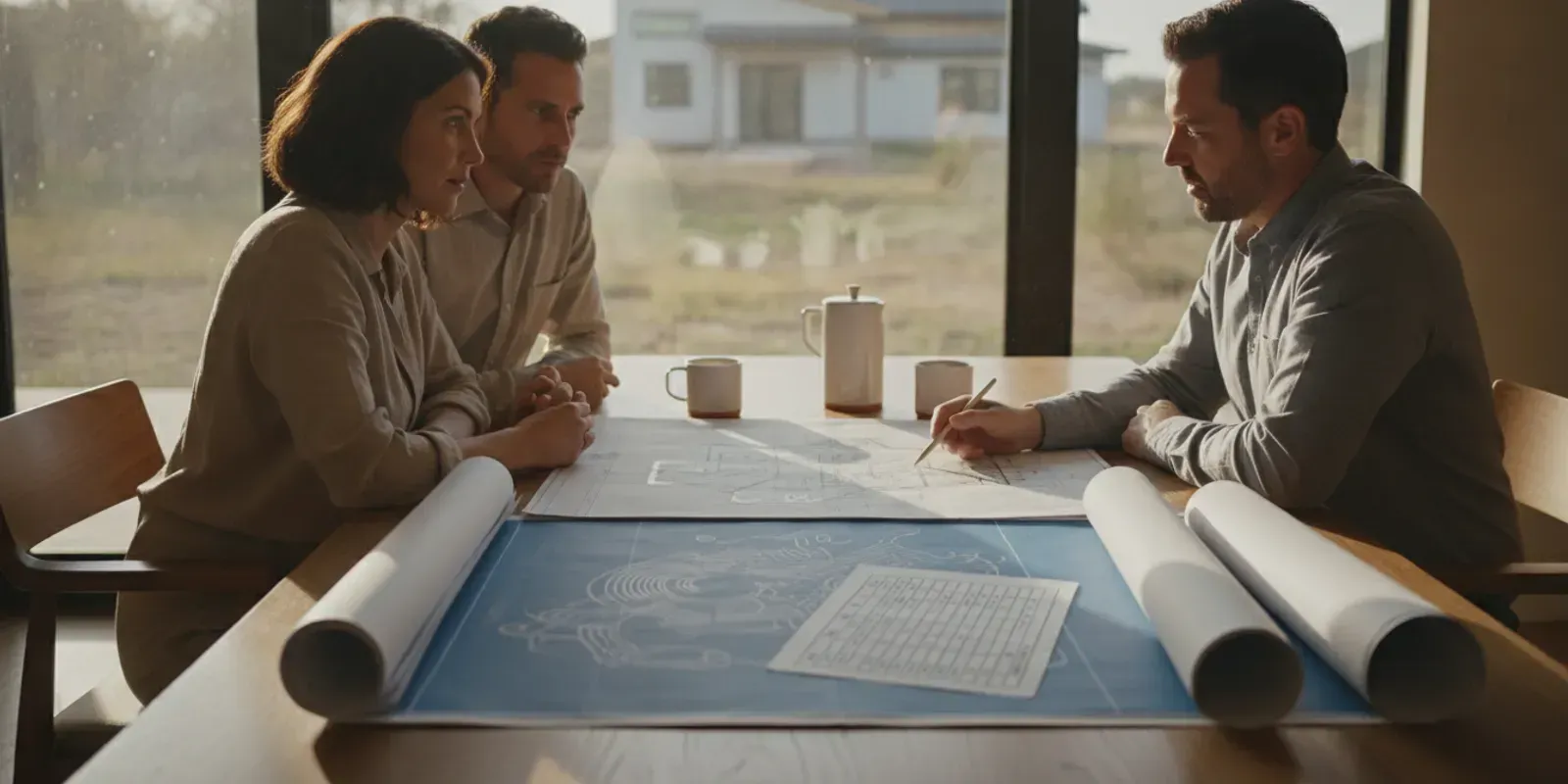
Building a home brings decisions at every stage, but not every question requires a formal meeting. When comparing new construction homes Frisco TX buyers may wonder how often they should meet with a builder once work begins. A useful schedule gives you timely information, reserves live conversations for decisions that need them, and makes clear how to reach the project team between check-ins.
Talk with ROSÖ Homes about your build
How often should you meet with a custom home builder?
There is no universal number of meetings that fits every custom home. A weekly or biweekly check-in may suit an active stretch when several selections or questions are due. A quieter period may call for a written progress update and a conversation only when a decision is needed. The right cadence depends on the project schedule, the homeowner's decisions, and what the builder agrees to provide.
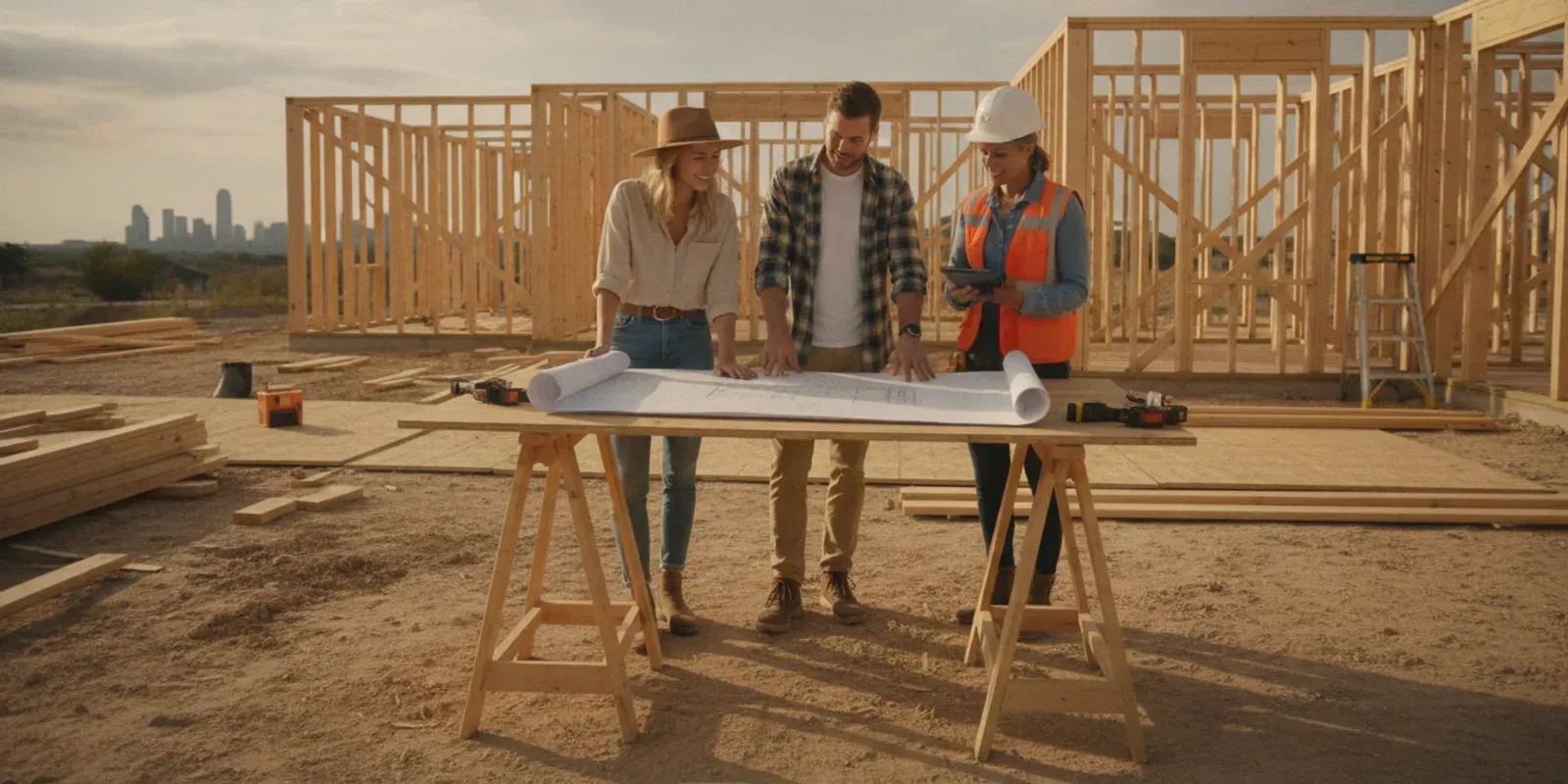
It helps to separate three things that are often treated as one: a progress update, a decision meeting, and a site visit. A progress update tells you what happened and what comes next. A decision meeting gives you enough information to make a choice before a deadline. A site visit is a planned opportunity to see the work, subject to site access and safety. They can happen together, but they do not have to.
For example, a written update may be enough when work is proceeding as planned and no selection is pending. If a layout question needs discussion, schedule a focused call or meeting and ask for the relevant plan or options in advance. If seeing a location in the home will help you understand the question, arrange a site visit with the project contact. That is more useful than attending a standing meeting that has no clear agenda.
Before work starts, ask how regularly you will receive updates, which events trigger a meeting, and how urgent questions are handled. Record the agreement in the project communication plan or other appropriate written record. If you are planning a home on land you already own, talk through how the lot and site access affect visits as part of your build-on-your-lot planning.
What does a practical meeting rhythm look like?
Rather than selecting a meeting frequency in isolation, agree on a rhythm that changes with the work. The outline below is a starting point for a conversation, not a promise that every project follows the same sequence. Ask your builder which milestones apply to your plans, contract, and local requirements.
Project moment Useful format What to accomplish Before construction Planning meeting plus written recap Confirm contacts, update rhythm, channels, access rules, and decision process. Routine work with no pending choice Concise weekly or biweekly update, as agreed Review completed work, current activity, next steps, and emerging issues. A selection or approval deadline is approaching Focused call or meeting, with materials shared beforehand Understand options, deadline, and any known implications before deciding. A transition between major stages Milestone discussion or planned site meeting Clarify what has been completed, what happens next, and whether homeowner action is due. Near handover Walkthrough and documented follow-up Record questions or items to address, who will respond, and the next communication date.
For many homeowners, one predictable update each week or every other week is enough to stay oriented, with additional meetings when a decision or milestone calls for one. Some people prefer a short written update because it is easy to review later. Others want a live conversation to work through choices. Ask for a method that keeps the information consistent without creating unnecessary meetings.
Do not assume that a meeting frequency is a construction guarantee or that more visits automatically mean better oversight. The builder remains responsible for managing the work under the agreed project arrangements. Homeowner meetings are there to clarify information, decisions, and responsibilities, not to replace professional project management or formal reviews.
What should you cover at a routine check-in?
A repeatable agenda keeps a short meeting from turning into an unstructured discussion. Share questions beforehand when possible. At the end, restate each decision, deadline, and owner. A useful agenda can include these points:
- What changed since the last update? Ask what was completed, what is underway, and whether anything differed from the prior plan.
- What is expected next? Review the next planned activities and any dependencies the project team has identified.
- What do you need from the homeowner? List each selection, approval, or piece of information, who needs it, and the date it is needed.
- What is still unresolved? Identify open questions, who will research them, and when you should expect a response.
- Are there changes to discuss? Before agreeing to a requested change, ask for the proposed scope and any known price or schedule effect to be explained in writing.
- Is a site visit appropriate? Confirm access, the area to visit, any restrictions, and whether the timing works for the active construction.
Keep the meeting focused on things that need communication or a decision. It is reasonable to ask for an explanation when something is unfamiliar. It is less useful to ask the same question in several channels without context, because answers can become scattered and it may be unclear which one is current.
Try ending each meeting with a brief recap: “We decided on A; B is still open; the project contact will follow up on B by this date; and the homeowner needs to provide C by that date.” Then send or save the recap in the agreed record system. This simple habit is valuable when one household member attends, but another needs to know what was decided.
How can you prepare for a meeting and keep a decision log?
Preparation makes it easier to use meeting time well. A day or two before a planned check-in, collect questions in one place and mark which ones need an answer soon. Attach a photo, plan reference, or selection detail if it helps identify the issue. Ask the project contact whether there are materials to review in advance, such as available options or a written explanation of a decision.
Separate questions into three groups. First are decisions with a known deadline. Second are questions that can wait for the next regular update. Third are items that require the builder or another project participant to investigate. This sorting helps everyone focus on the decisions that could hold up a next step, without treating every curiosity as urgent.
A decision log can be a shared document, project portal, or another format the builder approves. Keep the entries brief and factual. Include the date, the question, the choices discussed, the decision or current status, the person responsible for the next action, and a due date when one exists. If a choice affects more than one room or selection, note the related items so the team can consider them together.
For instance, suppose a homeowner is choosing between two finish options and also has a question about where a feature will appear. The log might show that the finish selection is due before a particular stage, while placement needs confirmation from the project team first. The next action is not “homeowner decide”; it is “builder clarify placement and send the relevant information, then homeowner select.” Recording that distinction prevents an incomplete question from becoming a rushed approval.
If you are gathering ideas before a discussion, ROSÖ Homes' home photos and available home options can help you identify design details to ask about. Treat examples as prompts for a conversation, not as confirmation that a detail is included in your own plans. The project documents and the builder's explanation should govern decisions for your home.
Which conversations belong at project milestones?
Some conversations are more useful at a transition than on a recurring calendar. Ask which formal reviews are planned for your project and what, if anything, you need to prepare. Depending on the scope, useful discussions may take place before site work, as important choices are finalized, before a major phase proceeds, and as the home approaches handover.
A milestone conversation should clarify what the milestone means, what has been completed, what is expected next, and whether the homeowner has an action. It should not leave you guessing whether an informal discussion is also a formal approval. If the builder asks you to approve a selection or change, ask what exactly you are approving, how it will be documented, and whether additional information is needed first.
Do not assume that a homeowner meeting replaces a required inspection, specialist review, or other process. Ask who is responsible for arranging any review that applies, how the results will be shared, and whether there is a separate document or decision for you. Your builder can explain the project process, while technical or regulatory questions may need an appropriate qualified professional or authority.
Before a milestone meeting, make a short list of what you want to understand. For example: What work is complete? What remains before the next stage? Are there any selections or approvals outstanding? Has anything changed from the last update? What should be captured in writing? You do not need to evaluate technical work beyond your knowledge; you do need a clear explanation of the next steps and your role.
Browsing examples of completed homes may help you recognize design questions to raise while planning. A past home's features do not establish what is included in a new project, so confirm specifications for your own home with the builder and refer to the agreed plans and documents.
How should you arrange a site visit?
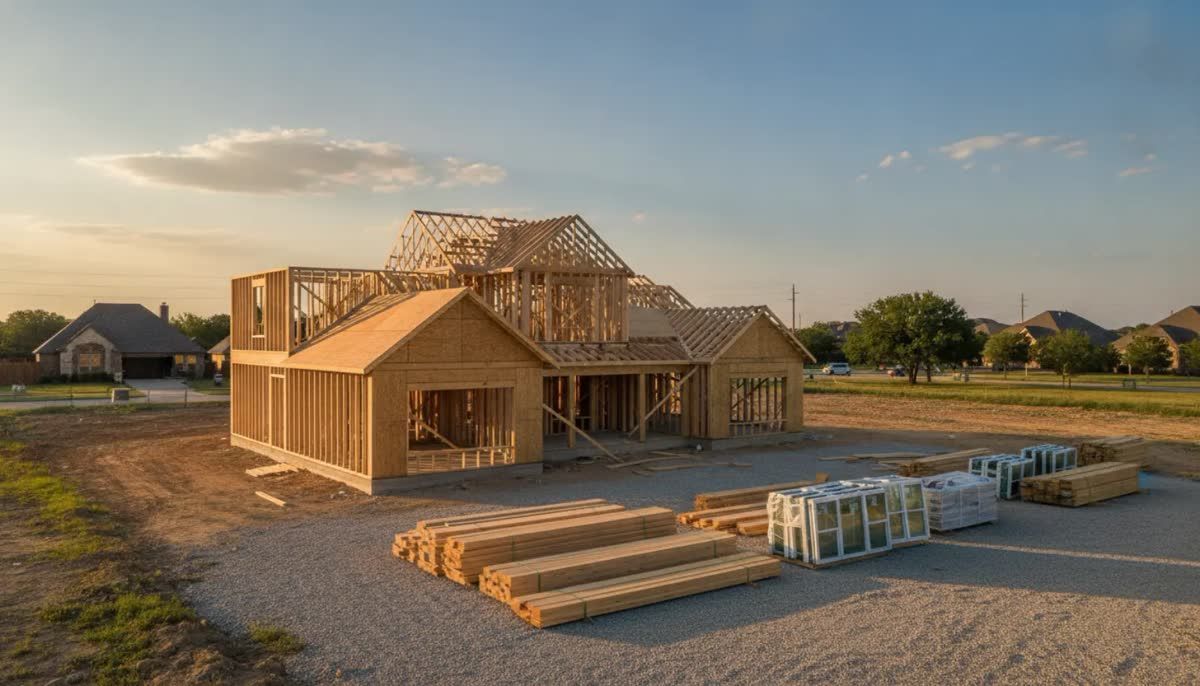
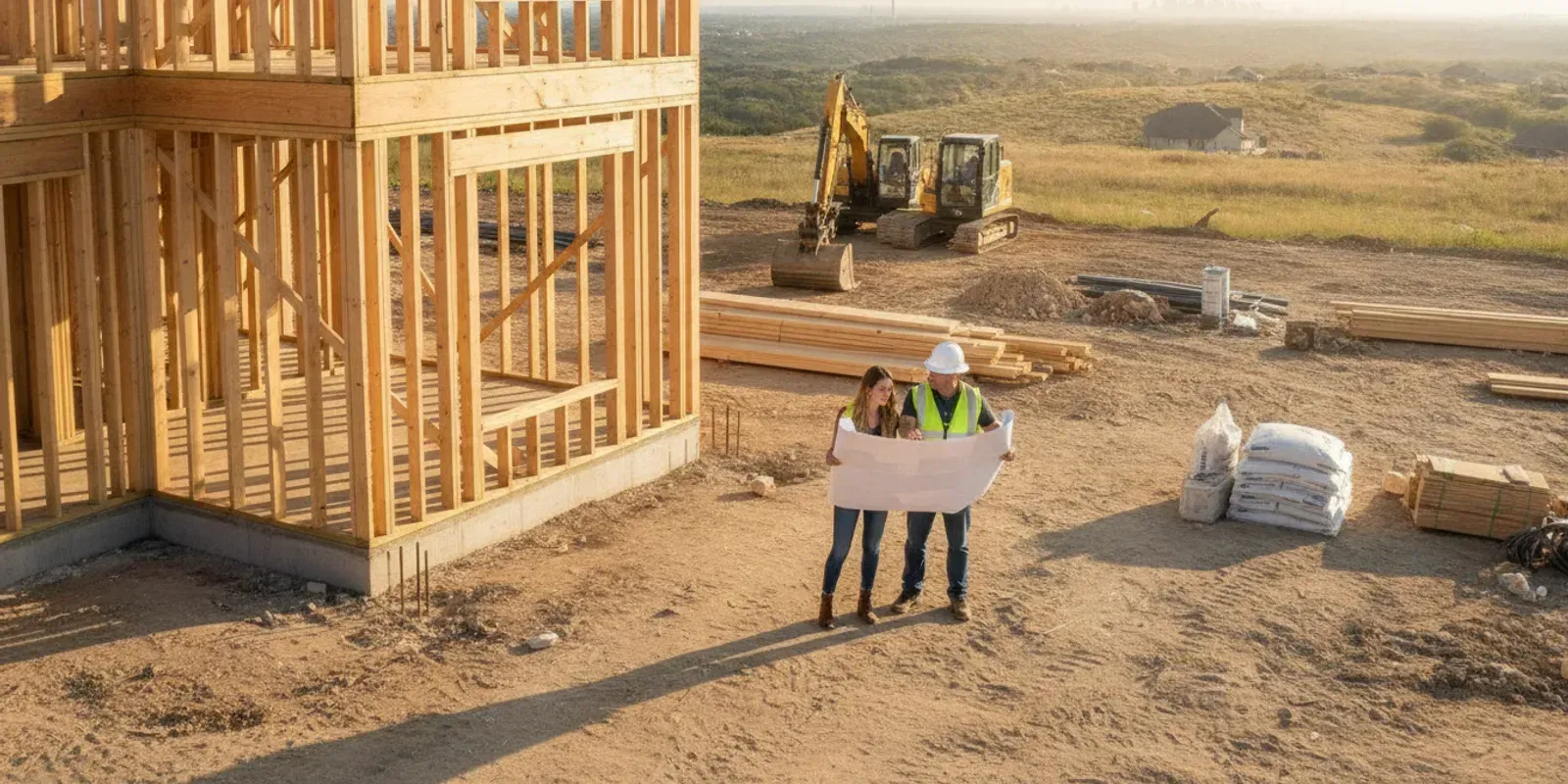
Do not arrive at an active construction site without arranging the visit. Conditions change as work progresses, and an area that was accessible previously may not be suitable later. Ask the project contact when a visit can take place, where you may go, what precautions to follow, and whether any work makes it better to reschedule.
During an approved visit, focus on observations or questions that benefit from seeing the space. You might ask how a room relates to the plan, whether a selection is still open, or what needs to happen before the next stage. Take notes or photos only if permitted. Route questions and requested changes through the person responsible for your project instead of directing tradespeople or asking workers to alter work on the spot.
Construction areas have risks that are different from a finished home. Follow all instructions from the project team, stay within approved areas, and do not enter a location that has been marked off or where work is underway. The Occupational Safety and Health Administration provides general workplace safety information; that information does not replace the site-specific directions from the project team.
When you request a visit, explain its purpose. “We would like to review the location shown on this plan before the selection deadline” gives the builder a clearer reason to find a useful time than “we want to stop by.” If your main question can be answered by a plan markup or a scheduled video call, ask whether that is more practical. A site visit should serve a purpose and respect the active work.
How should you handle questions between meetings?
Agree on a primary channel and response process before construction starts. This could be a project communication platform, email, or another method the builder specifies. Ask how to label a time-sensitive request, what response expectations apply to routine questions, and whom to contact if your main contact is unavailable. Do not assume that a message sent to an individual worker or subcontractor reaches the person coordinating your project.
Write one concise message with the key context. Identify the room or plan area, describe the question, include any known deadline, and say what response you need. If there is an attached photo or document, explain what the project team should notice. When an issue is not urgent, add it to the list for the next update rather than sending repeated messages through different channels.
For an urgent concern, use the process you agreed on and state plainly why a quick response may be needed. If you are unsure whether something is urgent, ask the project contact to help determine the next step. Keep important answers and approvals in the project's agreed record. A phone conversation may solve a question quickly, but a written recap can make the result clear to everyone involved.
Be specific about what “urgent” means for your household. A design preference you would like to discuss is not the same as a decision with a near-term deadline. When the builder provides a decision date, ask what information supports the date and what may happen if the choice is delayed. That gives you a basis to prioritize without assuming every open item carries the same consequence.
How should you discuss a change or disagreement?
If you want to change something, describe the desired result and ask for the proper review process before assuming it can be done. A request may affect the agreed scope, price, schedule, materials, or work already completed. Ask the builder to explain the implications and provide the appropriate written documentation before you approve the change. Do not treat a casual conversation as a substitute for the change process in your project documents.
If you disagree with information shared in a meeting, restate the question calmly and ask what document, plan, or decision record applies. Explain what seems unclear and what additional information would help. If the issue cannot be settled in the meeting, agree on who will review it and when you will follow up. A documented next step is more useful than ending with an unresolved general concern.
ROSÖ Homes describes a fixed-price approach on its Build On Your Lot page. A stated approach does not remove the need to understand the terms that apply to your own agreement. Ask for explanations of project-specific pricing, scope, and change documents before making a commitment or approving a revision.
When several household members are involved, decide in advance who can make selections or approve changes and how others will be kept informed. This avoids contradictory directions and helps the project team know whose response is needed. If the authorized decision-maker is unavailable, ask how a pending question should be handled rather than assuming someone else can approve it.
When should you change the meeting frequency?
Your first schedule is a starting point, not a rule that must remain unchanged if it is not working. Ask whether the communication rhythm is effective when decisions begin to cluster, when the project team has several updates to share, or when you find that important questions repeatedly surface between meetings. A temporary increase in focused discussions may make sense during a decision-heavy period. A less frequent live meeting may work when written updates are keeping everyone aligned.
Look for practical signals. Are you learning about a decision only when its deadline is close? Do you know what is happening and what is expected from you next? Are questions going unanswered because you do not know whom to contact? Are meetings ending without owners or dates? Each signal points to a different adjustment: earlier notice, a clearer contact path, more context in the update, or a written recap with assigned actions.
Here is a simple example. A household has a regular check-in but is surprised by two selections that require a decision soon. Rather than adding a long standing meeting, the homeowners can ask the builder to include upcoming decisions and due dates in each update. They can then schedule a short focused discussion when they need to compare options. The improvement is not simply “meet more often”; it is giving the right information earlier and reserving meeting time for decisions.
Another household might receive detailed written updates but struggle to understand a layout question from text alone. They could ask for a plan reference and a brief call, or arrange a site meeting if seeing the space would help. The format should fit the question. If the same communication problem continues after an adjustment, raise it directly and agree on a specific process to try for the next few updates.
What should you agree on before construction starts?
Use the preconstruction conversation to settle communication expectations, not just the first meeting date. Ask the builder the following questions and keep the answers with your project information:
- Who is the primary contact for routine updates, decisions, and site-visit requests?
- How often will progress information arrive, and will it be a meeting, call, written report, or a mix?
- Which project milestones normally prompt a focused discussion or homeowner action?
- How much notice should you expect for a selection or approval deadline?
- How do you document decisions, approvals, and requested changes?
- How do you arrange a site visit, and which access or safety rules should you know?
- What is the process for a question that cannot wait until the next regular check-in?
- Who should you contact if the primary contact is unavailable?
- How will you receive a recap if you miss a meeting?
Take time to clarify answers that sound broad. “We will keep you updated” is not yet a schedule. Ask what that means in practice: a brief note at an agreed interval, a conversation at key stages, or updates when a decision is due. Likewise, “call if you need us” leaves uncertainty about the right channel and who handles the question. Specific expectations protect both sides from relying on different assumptions.
It can also help to compare how a prospective builder explains communication. Review the builder's company and process information, then ask who will be your day-to-day contact and how decisions are documented for the particular home. If the builder provides examples of completed work, use those examples to form questions, not to infer a promise about your future project's meeting schedule.
How can you tell whether the communication plan is working?
After a few check-ins, review the process rather than judging it by the number of conversations. Ask yourself whether you know what has happened, what comes next, what decisions belong to you, and whom to contact when something cannot wait. Ask whether written recaps match your understanding and whether open questions are assigned to a person and a follow-up date.
If something is missing, describe the problem and propose a concrete adjustment. For example, you might request that each update include progress, upcoming work, decisions needed, and open questions. Or you may ask to schedule a recurring brief call during a period with several selections, then return to written updates when that period is over. A clear request is easier to assess than a general statement that communication needs to improve.
Keep the feedback factual. Point to the information you did not receive, the deadline or question it relates to, and the process that would help. The purpose is to make expectations visible and resolve a communication gap early. If the issue concerns a contractual responsibility or a formal approval, refer to the relevant project documents and ask the builder to explain the applicable process.
Frequently asked questions
Should homeowners meet with the builder every week?
Weekly meetings can be helpful, but they are not necessary for every project or stage. Agree on a predictable update rhythm and schedule live meetings when there are decisions, milestones, or questions that benefit from discussion.
Can I visit the construction site whenever I want?
Arrange visits with the project contact first. Active work and changing site conditions can make an unscheduled visit unsafe or disruptive. Follow the access instructions and any site-specific precautions.
What if I miss a scheduled meeting?
Ask for a recap that identifies progress, decisions, deadlines, and assigned follow-ups. If an item requires your approval, ask for the information you need and the date by which a response is requested.
Should every question become a meeting?
No. A routine question may fit in the next written update, while a decision with a deadline or a topic that needs explanation may warrant a call or meeting. Choose a format that suits the question and keep the result in the agreed project record.
What if a meeting ends without an answer?
Ask who will follow up, what information they will provide, and when you should expect it. Note those points in the recap. If the expected date passes, use the agreed contact channel to check on the open item.
Discuss your custom-home plans with ROSÖ Homes
Plan communication as carefully as the home
A useful meeting plan combines predictable updates, focused conversations when decisions are due, arranged site visits, and a reliable written record. Set expectations before construction, revisit the rhythm when the project's needs change, and make every discussion end with clear owners and next steps. That approach helps you stay informed while keeping the builder's responsibilities and your decisions distinct.